
Last updated November 22, 2026
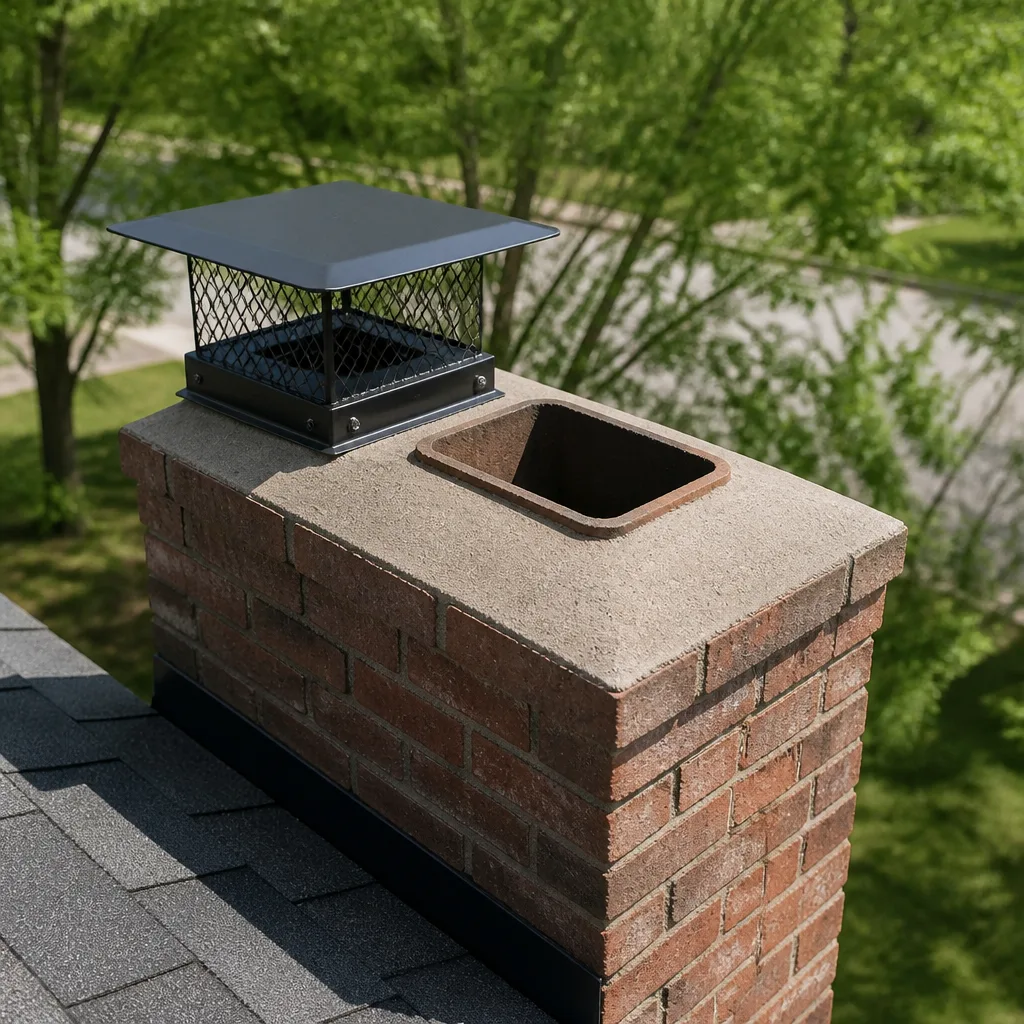 Sweep & inspection
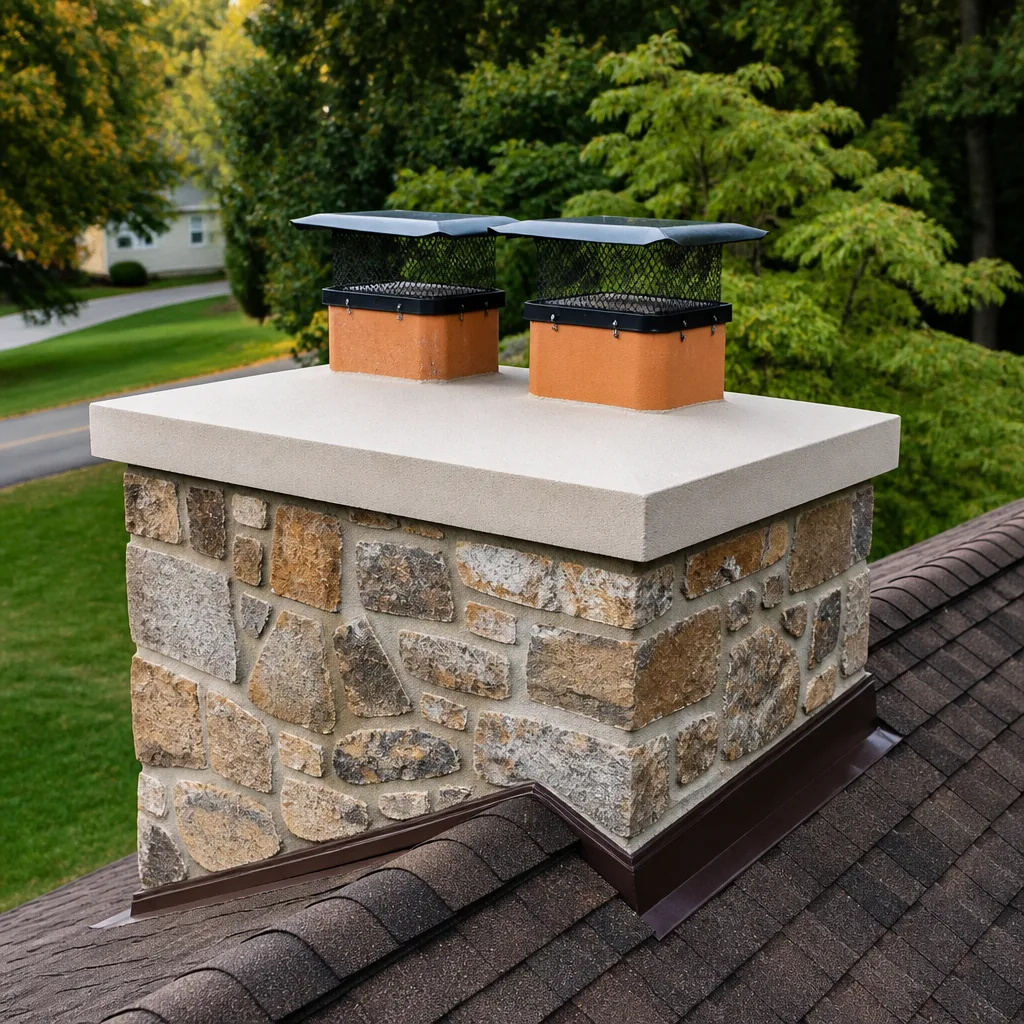 Caps & crowns
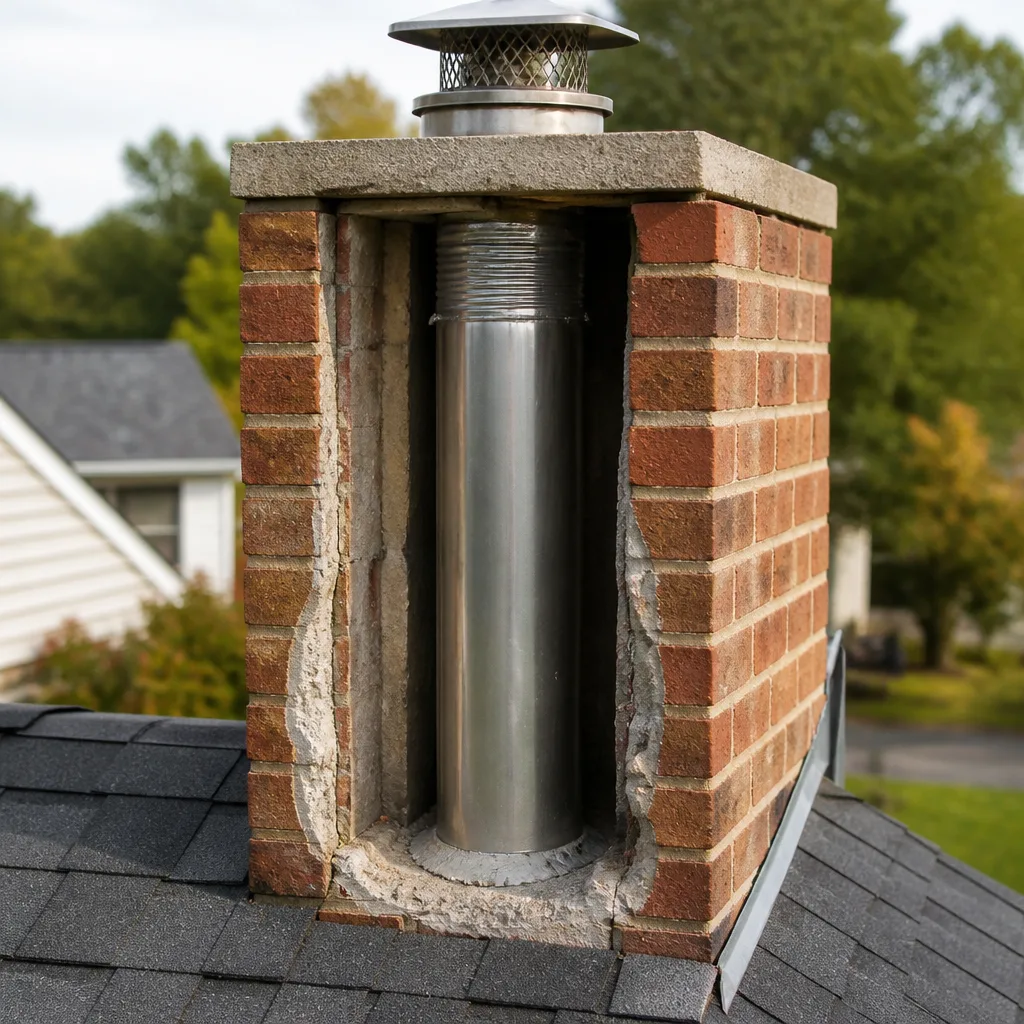 Flue relining
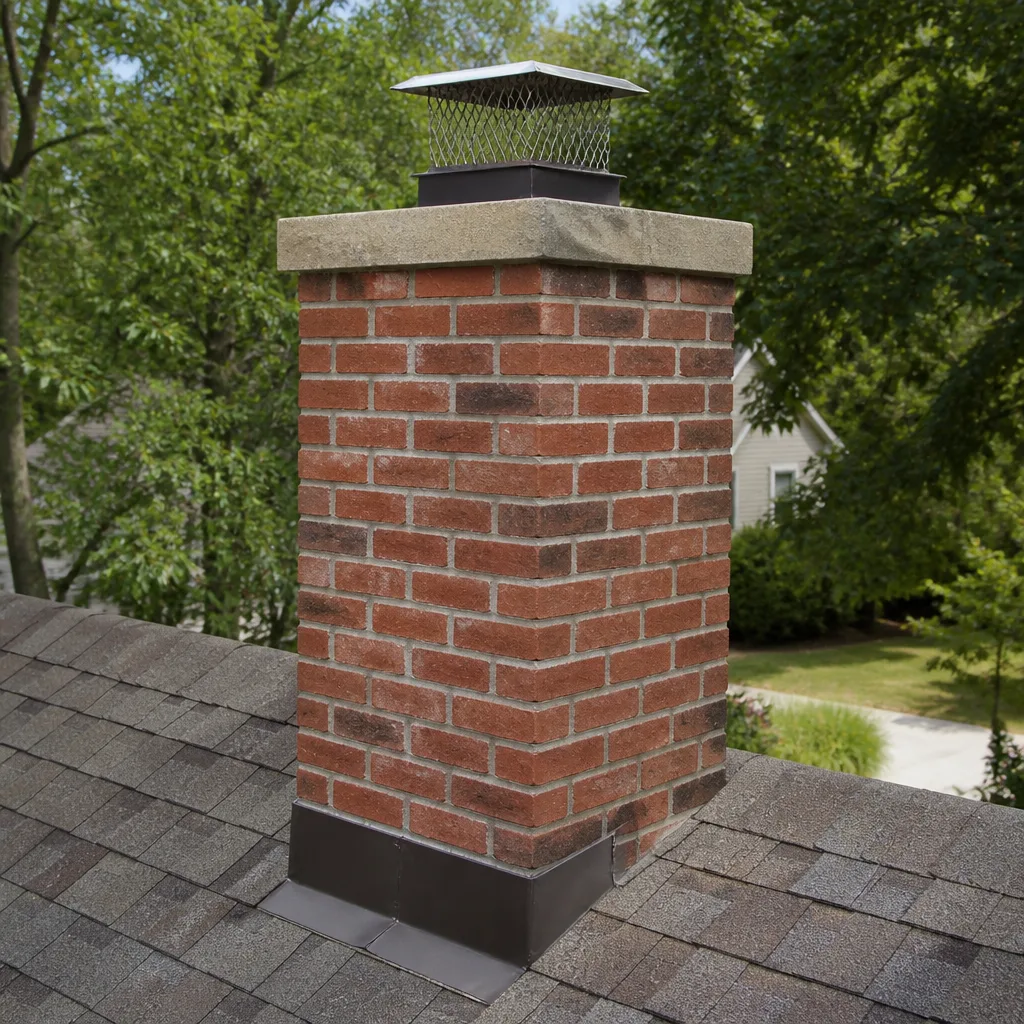 Masonry repair
 Gas fireplace service
Level 1 sweep and inspection to the NFPA 211 annual standard - flue, crown, cap, and flashing checked and photographed
Chimney sweep logs do not sweep chimneys. They loosen some creosote - which then falls where a brush and vacuum still have to collect it.
DIY vs Professional Chimney Cleaning: The Eagle Rock Homeowner’s Decision Guide
Most people who ask whether they can sweep their own chimney are picturing the brush. The brush is the easy part. The hard part is everything that has to be true before the brush goes in: that the flue liner is sound, that nothing is living in the flue, that the creosote coating is the thin, flaky kind and not the hardened glaze that welds itself to the tile. Those are judgment calls, not elbow-grease calls, and they are exactly what DIY removes from the equation. This guide gives you a real decision framework for an Eagle Rock home, not a sales pitch in either direction. You’ll learn which conditions make a homeowner brush genuinely low-risk, which make it dangerous, and what a flashlight and mirror can tell you between service visits.
Quick Answer
DIY chimney brushing is reasonable only when three things are true at once: the flue has been professionally inspected recently and found sound, the buildup is light and dry, and your fireplace burns seasoned wood cleanly. In every other case, and especially in an older Eagle Rock home with an unlined or deteriorated flue, professional cleaning is the safer choice because the person doing the work can assess the flue before and after cleaning. A sweep is not just a brush run; it is an inspection with a cleaning attached.
Styles & brands we work with
- Sweep & inspection
- Caps & crowns
- Flue relining
- Masonry repair
- Gas fireplace service
Table of Contents
- The Decision Framework: When DIY Brushing Is Actually Low-Risk
- Creosote Stages: What a Consumer Brush Can and Can’t Remove
- Equipment Reality Check: Consumer Kits vs. Rotary Professional Systems
- The Judgment Call: Reading What’s Actually in Your Flue
- The Insurance and Documentation Angle
- The Middle Path: DIY Visual Monitoring Between Service Visits
- Why Older Eagle Rock Homes Change the Math
- The Bottom Line
The Decision Framework: When DIY Brushing Is Actually Low-Risk
A chimney brush through a sound, clean-burning flue is not inherently reckless. The problem is that the average homeowner cannot confirm those first two words. Here is the framework we use when a homeowner asks us whether they could handle the sweep themselves. Be honest with yourself about each item. One “no” should send you to a professional.
- You have a recent inspection on record. Within the past year or so, a professional has looked at the flue and confirmed the liner is intact, with no gaps, cracks, or missing sections. If no one has looked inside your chimney, you do not yet know what you are cleaning.
- You burn seasoned wood and your fires draw well. Dry, split, well-seasoned firewood and steady draft produce light, dry, flaky deposits. Wet wood, unseasoned wood, or a smoldering fire produces heavier, stickier creosote.
- Your annual use is modest. A fire a few times a month through mild Eagle Rock winters builds accumulation more slowly than nightly burns. Consistent heavy use is a professional’s job.
- You have no signs of moisture, birds, or structural movement. Water stains, a strong sour smell, or a chimney that leans are all reasons to stop.
- Your flue is lined. An unlined or single-wythe flue with gaps behind the brush is a dangerous combination. A brush can disturb joints that are already weakened.
- You have safe access to the roof or damper. A wet slope, an awkward ladder, or a steep pitch is a hard stop. No brush is worth a fall.
If every line above is a confident yes, DIY brushing is low-risk. If any answer is uncertain, that uncertainty is the reason to call a professional. In our experience, most homeowners who try DIY are missing item one, and item one is the entire ballgame.
Creosote Stages: What a Consumer Brush Can and Can’t Remove
Creosote is not one substance. It is what forms when wood smoke cools and condenses on the inside of the flue, and its character changes with the burn conditions and how long it has sat there. The industry divides it into three stages for good reason: the stage determines whether a brush will do the job or fail at it. Understanding the three stages is not alarmism. It is just knowing what you are facing.
Stage 1: Soot and Light Flaky Creosote
A thin dusting of soot with soft, flaky deposits is the classic light buildup. It happens with clean burns and moderate use, and a stiff-bristled brush removes most of it. This is the stage a homeowner can address, provided the flue itself has already been checked.
Stage 2: Hardened, Crusty Deposits
Stage 2 creosote has baked into a hard, brittle crust that clings to the liner. It may look like a dried, cracked glaze. A consumer brush skips over the glossy spots; the bristles do not have enough bite. A rotary system used by a professional spins and crosscuts the crust to break it loose. We routinely see stage 2 creosote that was “cleaned” by a homeowner brush and left partially intact.
Stage 3: Glazed Creosote
Stage 3 is a dense, shiny, tar-like glaze that has essentially polymerized onto the flue surface. It is chemically and physically bonded to the liner, and no household brush will move it. Stage 3 is categorically not a DIY scenario. It often calls for specialized chemical treatment or, in bad cases, liner work, and it is the fuel source behind the most intense chimney fires. If you look up your flue and see a shiny, glassy surface, stop and call a professional.
Equipment Reality Check: Consumer Kits vs. Rotary Professional Systems
Consumer brush kits found online are usually a set of poly or wire brushes on flexible rods. They cost a fraction of a professional sweep, but the comparison stops at the price. The differences matter for the outcome.
- Flexibility and contact. A handheld rod bends and the brush follows; it does not maintain even pressure against the flue wall. Professional rotary systems spin a weighted head that presses against the full circumference of the flue.
- Bite on stage 2 and 3. Poly bristles are gentle and effective on soot. They do not cut hardened deposits. A rotary head does.
- Coverage above and below the damper. The smoke shelf, the far side of the firebox, and the flue above the damper are the missed zones in most DIY sweeps. Professionals account for each, including a full cleaning of the smoke chamber, where soot settles.
- Cleanup. Pulling a brush through a flue from the top with no containment sends fine soot into the room below. A professional sweep includes dust control and a shop-vac-clean finish.
- Post-clean inspection. A professional can flag liner damage, cracked tiles, or warped damper parts the moment they are revealed. A homeowner with a consumer kit has no basis to assess what they are looking at.
We work with professional-grade materials from brands like DuraFlex, HeatShield, and Olympia Chimney because the tools and components in a real sweep are built to a trade standard, not a consumer one. A sweep is the routine part of the job; the system that surrounds it is what makes the difference.
The Judgment Call: Reading What’s Actually in Your Flue
Even a homeowner determined to brush their own chimney has to answer a stack of questions at the damper before any brush goes up. Is the flue lined? Is the liner intact? Are there cracks? Is the creosote flaky or glazed? Is the smoke chamber coated with soot? Are there active tenants up there? Each of those questions points to a decision, and the decision is easier to get wrong than the brushing.
Below are the conditions that are genuinely low-risk to self-clean, and the conditions that are actively dangerous to self-clean. Read both lists.
Low-Risk to Self-Clean
- Recent professional inspection on record
- Light, flaky, dust-like soot only
- Seasoned wood, good draft
- Direct, safe roof access or cleaning from the firebox with the proper rods
- No visible liner cracks, no water staining, no nest activity
Dangerous to Self-Clean
- No recent inspection and an unknown flue
- Stage 2 or stage 3 creosote deposits
- Unlined, single-wythe, or visibly damaged flue
- Active bird or animal nesting
- Signs of water damage, crumbling mortar, or a leaning stack
- Steep, wet, or awkward roof access
- Smoke coming into the room, a poor-drawing fireplace, or a smell that persists after a good fire
Every one of the second list is a call-a-professional scenario, because any one of them changes what the flue needs from a brush to a repair. A routine chimney sweep is designed to answer each of those questions while cleaning. If you are not sure which list your own chimney sits on, that is itself a sign.
The Middle Path: DIY Visual Monitoring Between Service Visits
You can absolutely be a responsible partner in your chimney’s health without doing the cleaning yourself. A flashlight and a mirror, a few minutes, and a clear set of criteria will tell you when to call. Here is what to check, and when what you see means it is time for a professional:
- Shine a light up the flue from the firebox. Look for a smooth, even surface. Note the color and texture of the deposit.
- Look at the damper and smoke chamber. A small amount of soot is normal. A thick blanket that sheds flakes means the cleaning is due.
- Check the firebox for cracks or loose mortar. Any visible gap between firebrick joints needs an inspection by a professional.
- Look up from the exterior. From the ground, note the chimney cap and crown. A missing screened cap is a standing invitation for birds and animals.
- Check for water stains or a sour smell. Both point to moisture intrusion that no sweep will solve; it needs a professional look at the crown, cap, and flashing.
- Notice how your fires burn. If they once drew well and now smoke into the room, or the smell lingers for days, get an inspection.
That routine keeps you in touch with the chimney without putting a brush in an unknown flue. When any of the above catches your attention, call for a professional inspection. If you want a second service category tracked alongside that routine, a proper chimney cap & crown check is part of the same walkthrough.
Why Older Eagle Rock Homes Change the Math
Eagle Rock’s housing stock includes plenty of character homes built in the 1920s and 1930s, and their chimneys often reflect the era’s building practices. That means unlined flues, single-wythe masonry, and liners that have been patched or mortar-coated by well-meaning homeowners over the decades. In a newer, fully lined flue, the worst case of a DIY sweep is an incomplete cleaning. In an Eagle Rock chimney of unknown history, the worst case is disturbing joints that are already weak or missing.
When we inspect an older Eagle Rock chimney, there is often more to do than run a brush. We move through a full walkthrough: the firebox, the smoke chamber, the flue, the crown, the cap, and the flashing at the roofline. If the flue is sound and simply dirty, we clean it. If the flue is sound but cracked, we can resurface it with HeatShield, a liner resurfacing method that restores a deteriorating tile without a full reline. If a liner is beyond repair, we work with DuraFlex stainless components as part of the same visit. One call covers it: inspection, cleaning, repair, and protection.
Outside the flue itself, older homes also show up with rusted dampers and firebox panels that are no longer tight. That work belongs with fireplace repair, which we handle as part of the same service category as a sweep, not as a separate trade.
The Insurance and Documentation Angle
Chimney-related fire claims are not a hypothetical worry. They are a real category of loss for insurers, and that is why many homeowner policies include a chimney provision, often phrased around a documented professional inspection or cleaning at intervals, or a limit on claims for damage caused by a chimney fire where maintenance was clearly neglected. It varies by carrier and by policy, so the exact language is worth checking with your own insurer before you need it.
The practical point is this: a DIY brush leaves no documentation. There is no written record of when the flue was last inspected, what the condition was, or what was found. A professional inspection leaves a written report, and that report is what an adjuster can look at if you ever file a claim.
- A written inspection record supports your claim if a chimney fire happens later.
- The record documents that maintenance was actually performed.
- It gives you a dated baseline to compare against on the next visit.
- It may satisfy a policy requirement that would otherwise be an argument after the fact.
We’ll tell you exactly what we found and exactly what it means, and you’ll get that in writing. That documentation is a form of protection that a DIY brush cannot provide.
Common Mistakes to Avoid
- Brushing an unknown flue. The single biggest error is running a brush through a chimney that no one has inspected. In an older Eagle Rock home, that can mean disturbing unlined or cracked tiles. Inspect first, then clean.
- Cleaning only the chimney and ignoring the smoke chamber. Soot collects in the smoke chamber, and a brush run down the flue from the top often skips it entirely. This is where most DIY sweepers leave the job half done.
- Mistaking stage 2 creosote for a clean flue. The gloss on the liner is the giveaway. A hand brush passes over hardened creosote without removing it.
- Cleaning without dust containment. Pushing a brush through a flue from the top with no seal at the firebox blows fine soot into whatever room sits below.
- Calling it a year after one light fire. “Last time” is not a schedule. Sweeps are due on condition, not on the calendar, and a low-use fireplace is not the same as a well-maintained one.
- Using a flammable product on the liner to burn creosote loose. This is genuinely dangerous and does not address stage 2 or stage 3 properly. Stage 2 and 3 require a professional visit.
- Ignoring the cap and crown while you’re up there. A missing cap or a cracked crown means water gets in, and water damage compounds across each wet season. This is why a cap and crown installation with a brand like Gelco or Olympia Chimney is part of a complete visit.
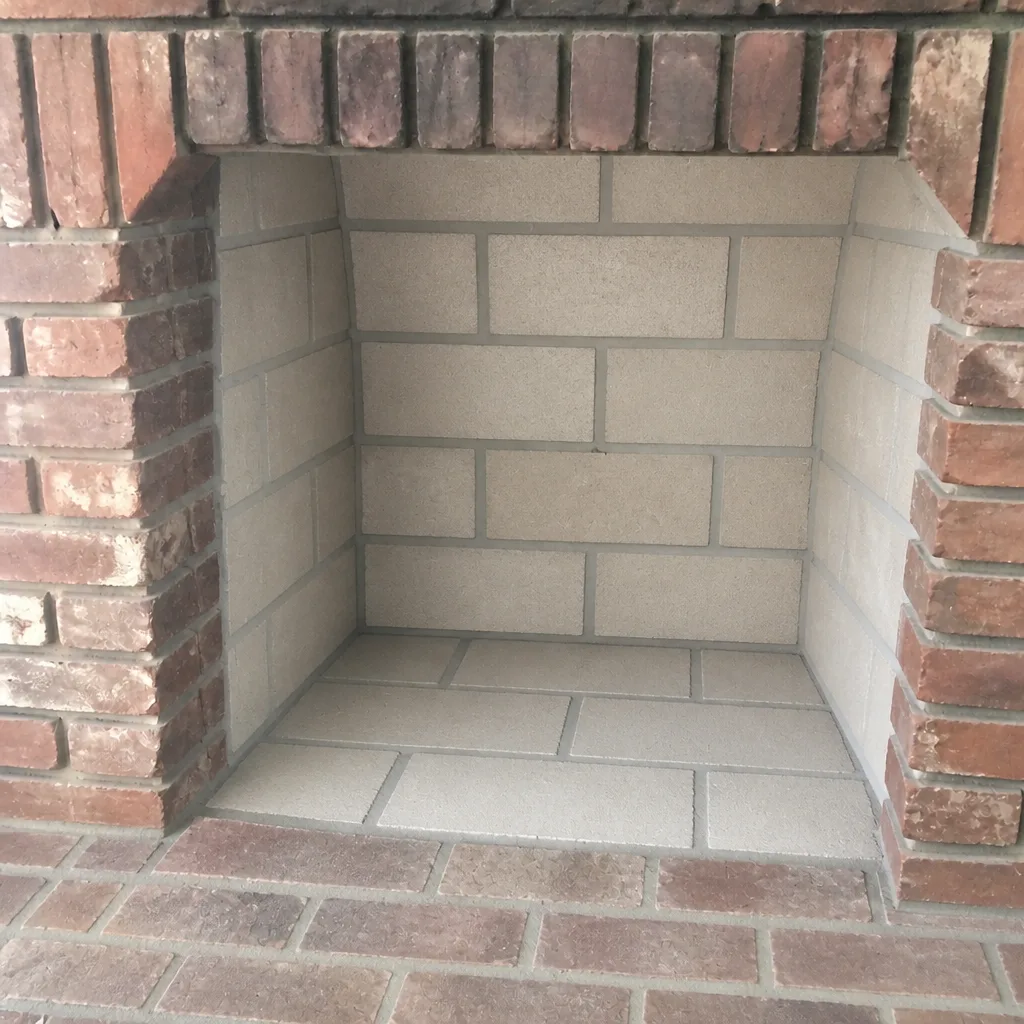
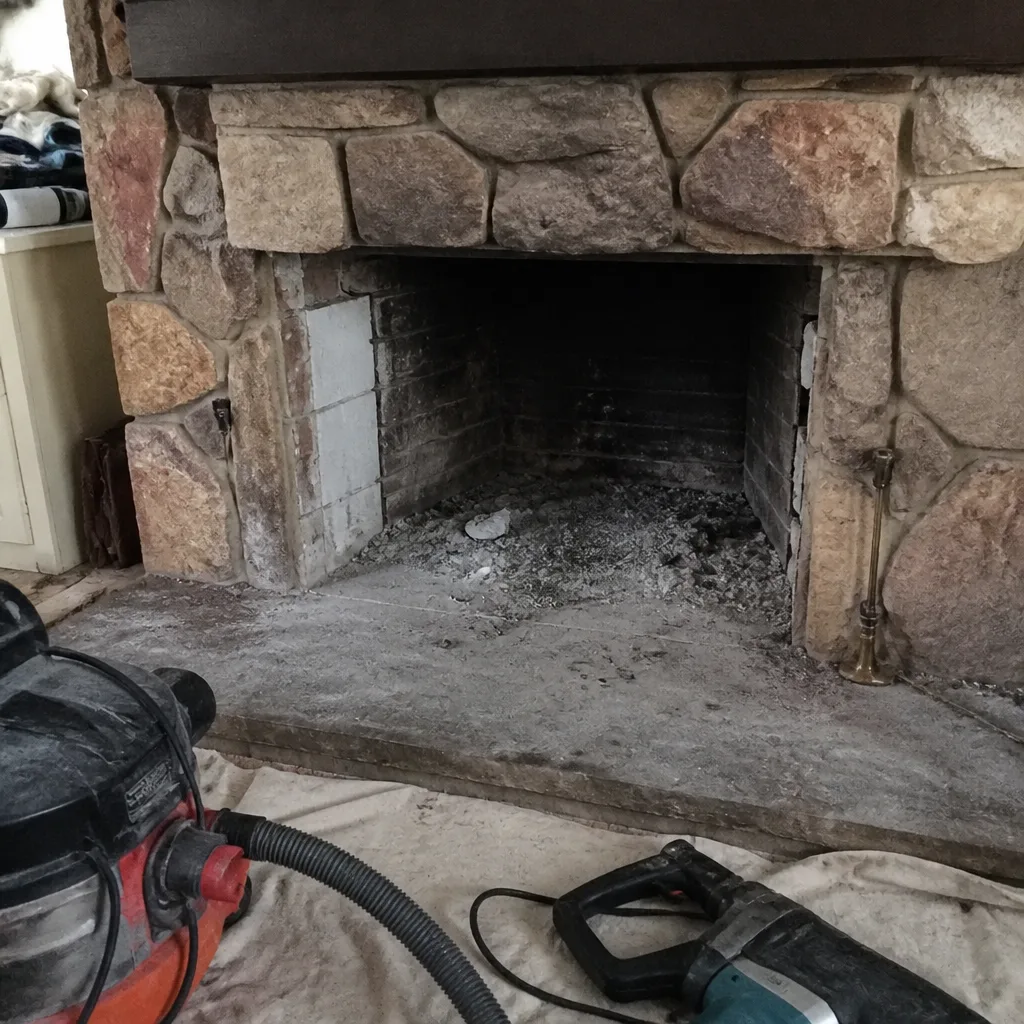
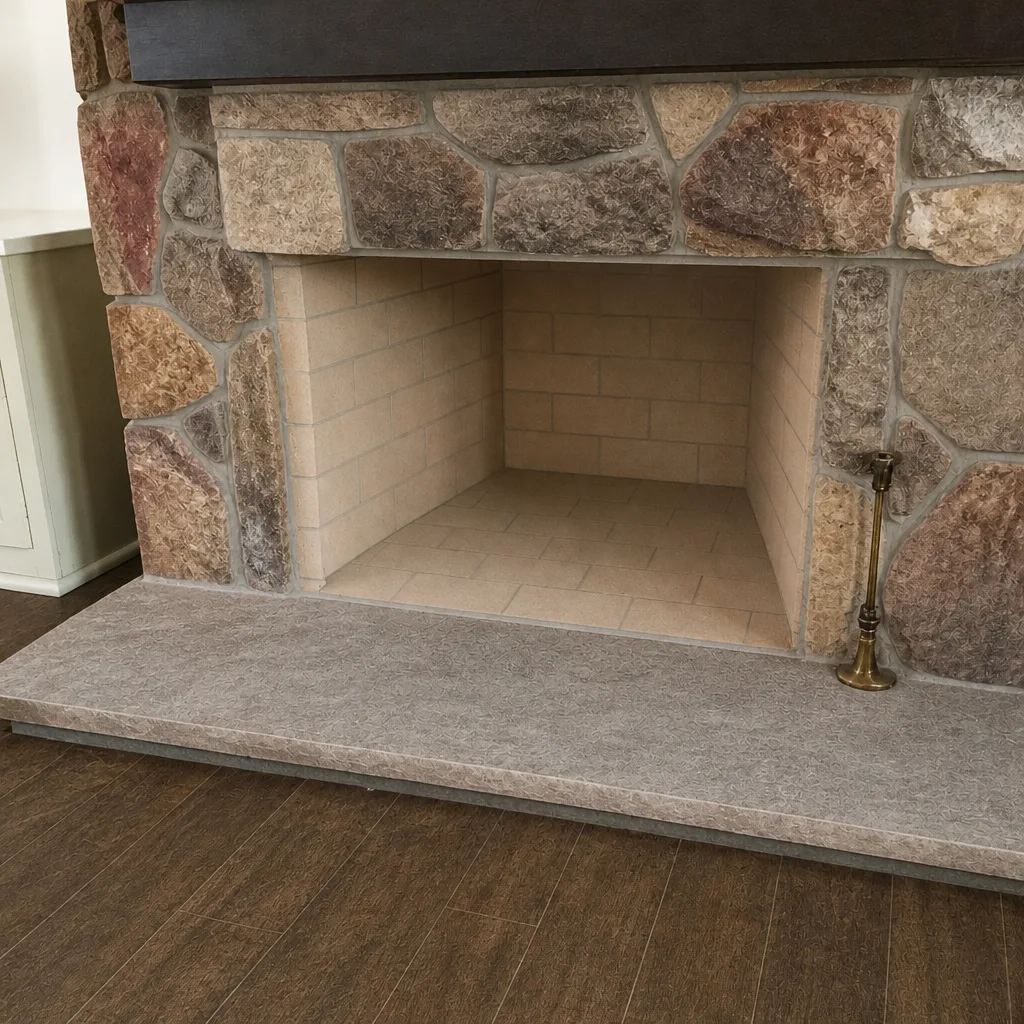
See the difference
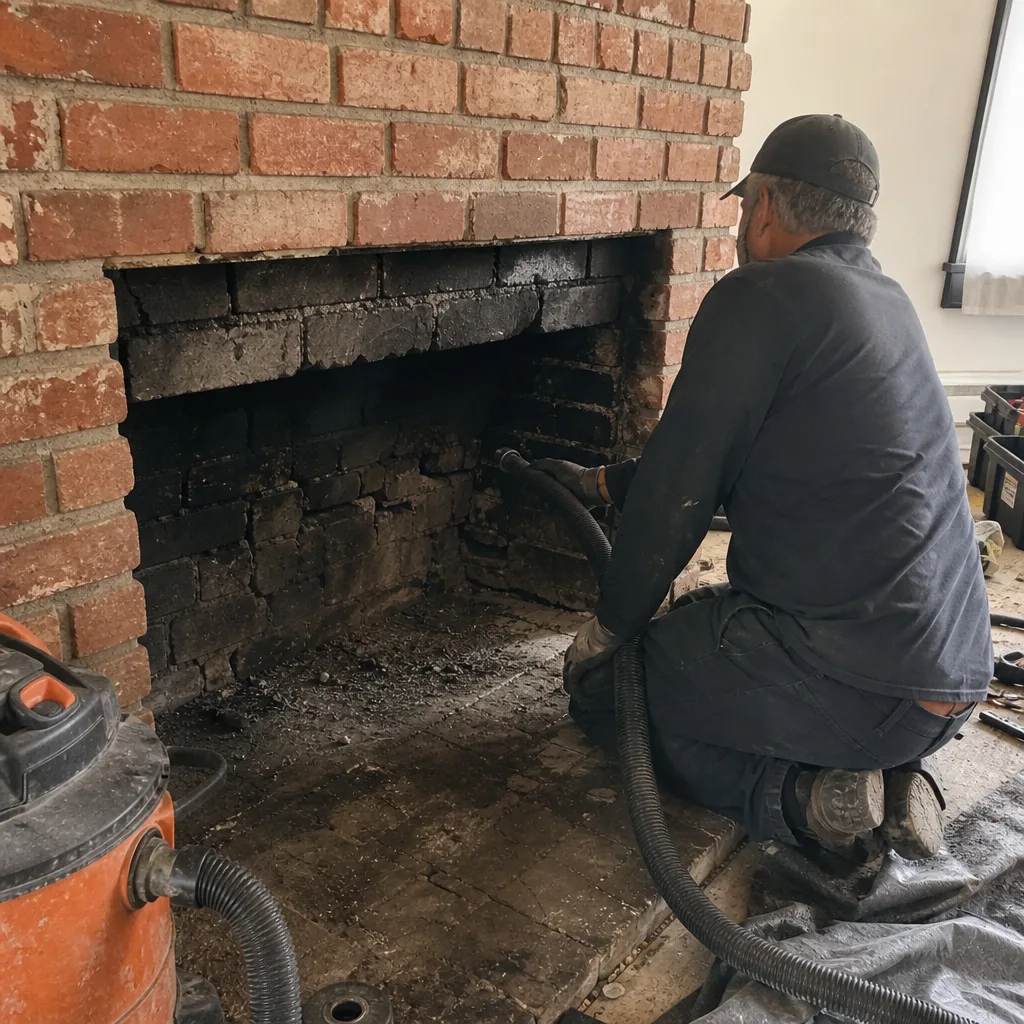 Before
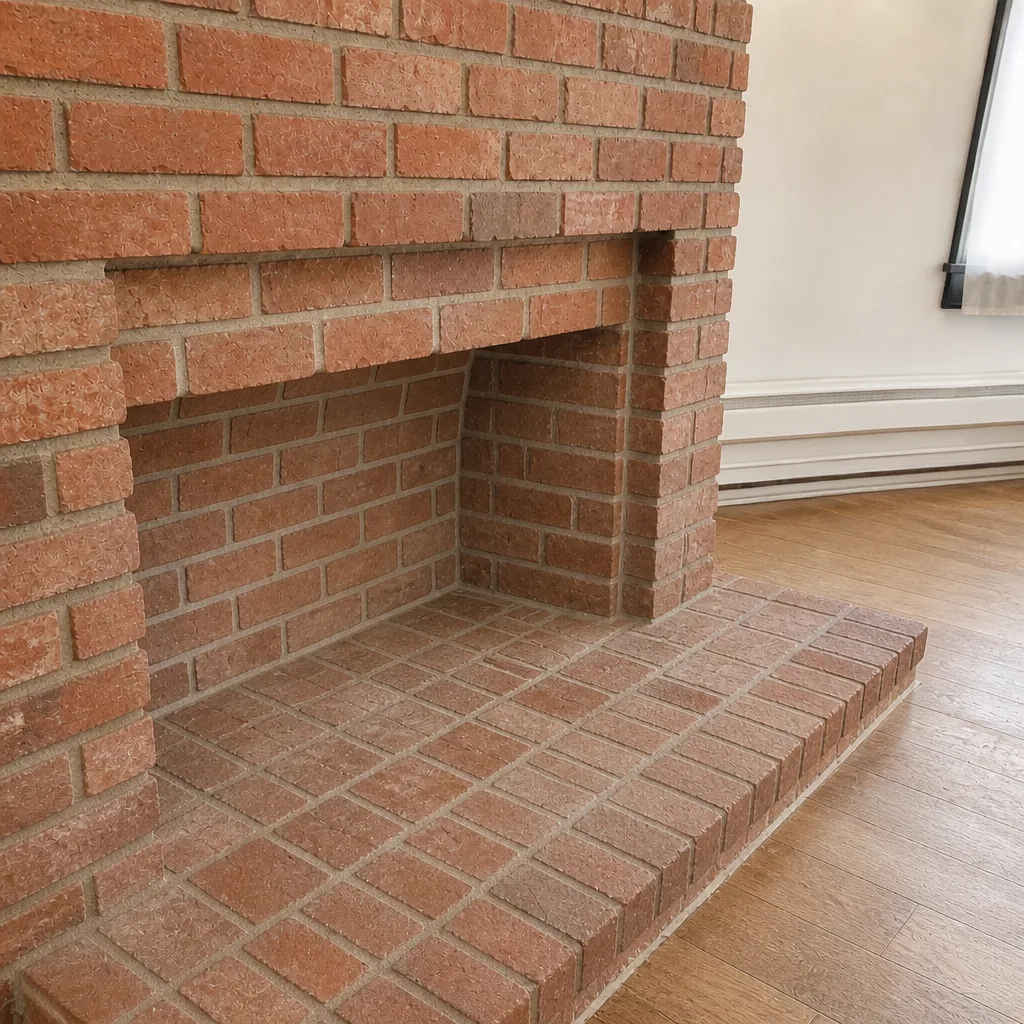 After
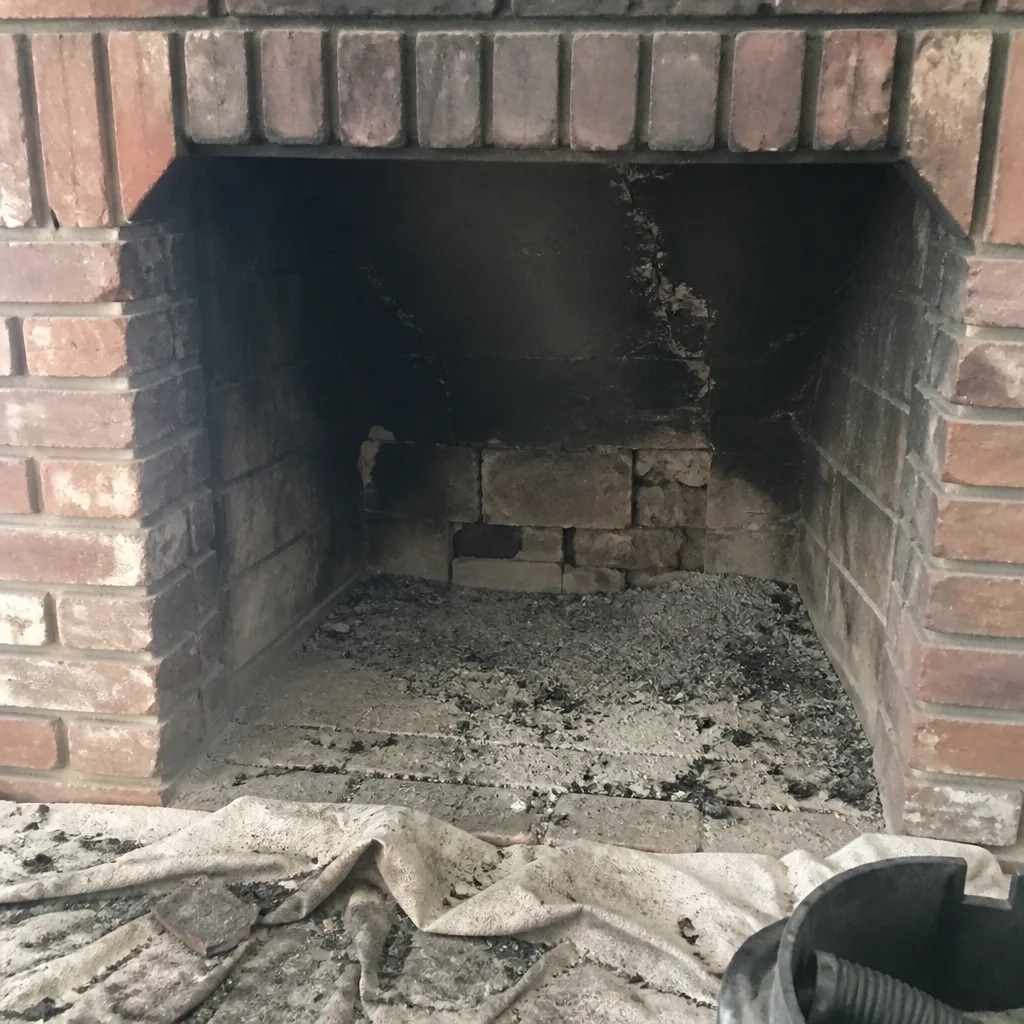 Before
 After
 Before
 After
When to Call a Professional
Call a professional for any of the following: your chimney has never been inspected, you see glazed or hardened deposits, your flue is unlined or you don’t know, your fireplace smokes or smells, there is active nesting, you have moisture staining, your damper or firebox is damaged, or the chimney is on a roof you should not be standing on. Call a professional before each heating season if your uses are regular, and call the moment something changes. Chimney Sweep Eagle Rock offers free estimates in Eagle Rock, and our technicians have up to 14 years of experience with flues that are much stranger than yours. Call (855) 506-8977. We answer 24/7. Fast dispatch from 7am to 7pm, Sunday through Friday.
Frequently Asked Questions
DIY chimney cleaning is safe only when a recent professional inspection has confirmed the flue is sound and lined, the creosote is light and flaky, and you have safe roof or firebox access. If any of those are unknown, a professional sweep is the safer choice because the sweep includes an inspection the homeowner cannot perform. Call (855) 506-8977 for an exact quote; estimates are free.
The honest answer is “on condition, not on the calendar.” Chimneys that see regular fires and produce stage 1 buildup are usually swept once per heating season, while light-use fireplaces can go longer if the inspection shows the flue is clean. Scheduled regular cleaning based on what an inspection finds is the right approach, and only an inspection can tell you which schedule you are on. Call (855) 506-8977 to book a sweep and get a condition-based recommendation.
Stage 2 creosote looks like a hard, dried, cracked crust or a dull glaze on the flue wall. A consumer brush skips over it; the professional rotary system in a real sweep crosscuts and breaks it loose. No, it should not be removed with household tools. Call (855) 506-8977 and ask for a professional cleaning; estimates are free.
Many policies include chimney-related language around documented professional inspection or cleaning, but the exact terms vary by carrier and policy. Read your own policy language and ask your insurer directly. A written inspection record is the documentation that supports a claim, which is one reason a professional visit has value beyond the cleaning itself. Call (855) 506-8977 to schedule an inspection with a written report.
A sweep cleans the flue; an inspection evaluates its condition. In a professional visit the two are done together: the visual and camera inspection comes first, the cleaning follows, and a second look confirms what was removed and what condition the flue is in. At Chimney Sweep Eagle Rock, one call covers inspection, sweep, and any repair we find. Call (855) 506-8977 for a free estimate.
Stop, close the damper, and note what you saw: flakes, a glossy surface, a gap between tiles, white staining, or an animal nest. Any of those is a call-a-professional event, and none is a “brush it out later” problem. We’ll tell you exactly what we found and exactly what it means. Call (855) 506-8977. We answer 24/7, with fast dispatch from 7am to 7pm, Sunday through Friday.
The Bottom Line
DIY chimney brushing is a real option for a homeowner who knows their flue is sound, burns clean wood, and has modest use. For everyone else, and especially for an older Eagle Rock home with an unknown flue history, the decisions that surround the brush are the ones that actually protect the house. A professional sweep combines the cleaning with an inspection, so you get a diagnosis and a remedy from the same team, using brands like HeatShield and DuraFlex where the flue needs more than a brush. Our technicians have up to 14 years of experience. The full scope, from cleaning to Chimney Sweep Eagle Rock repair work, is one call away.
Ready to skip the guesswork? Call (855) 506-8977 for a free estimate. We answer 24/7. Fast dispatch from 7am to 7pm, Sunday through Friday. We’ll inspect, explain, and only recommend the work the flue actually needs.
Written by the team at Chimney Sweep Eagle Rock.