
Last updated November 22, 2026
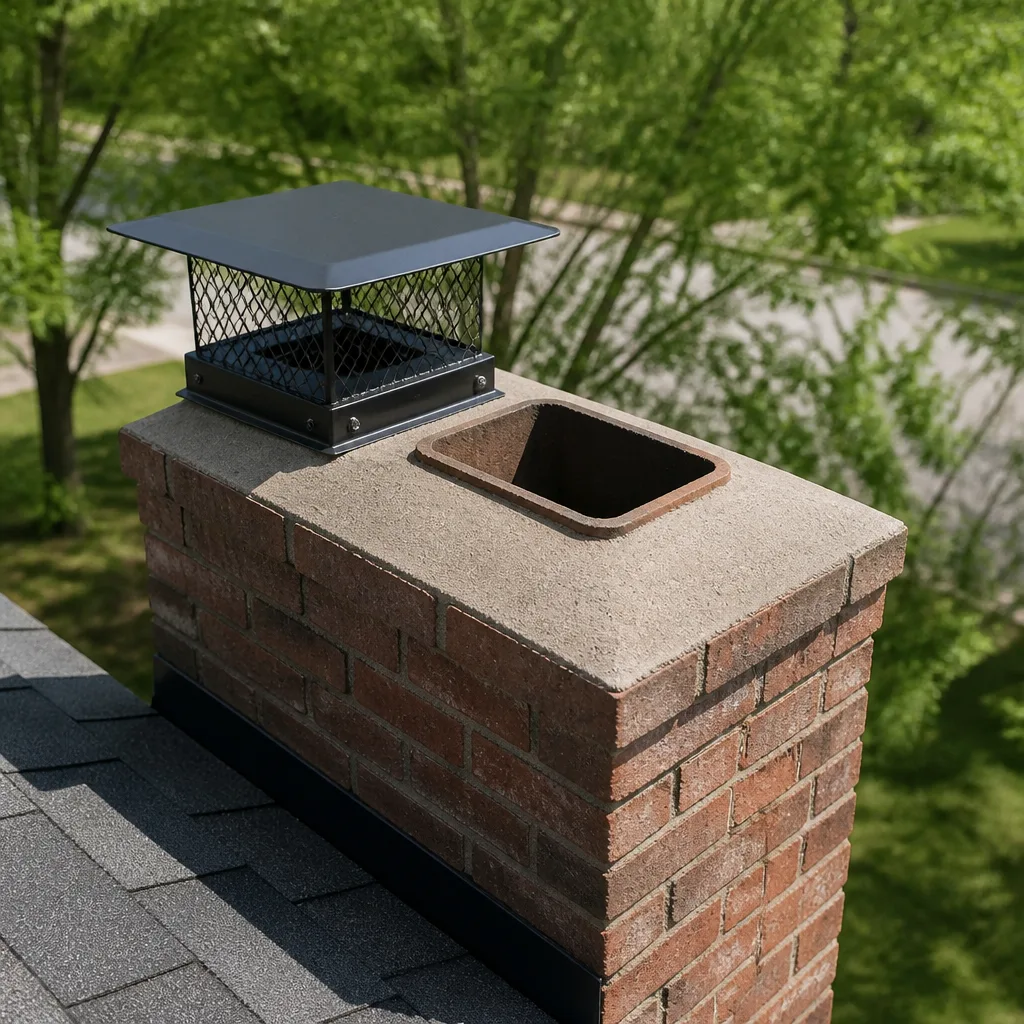 Sweep & inspection
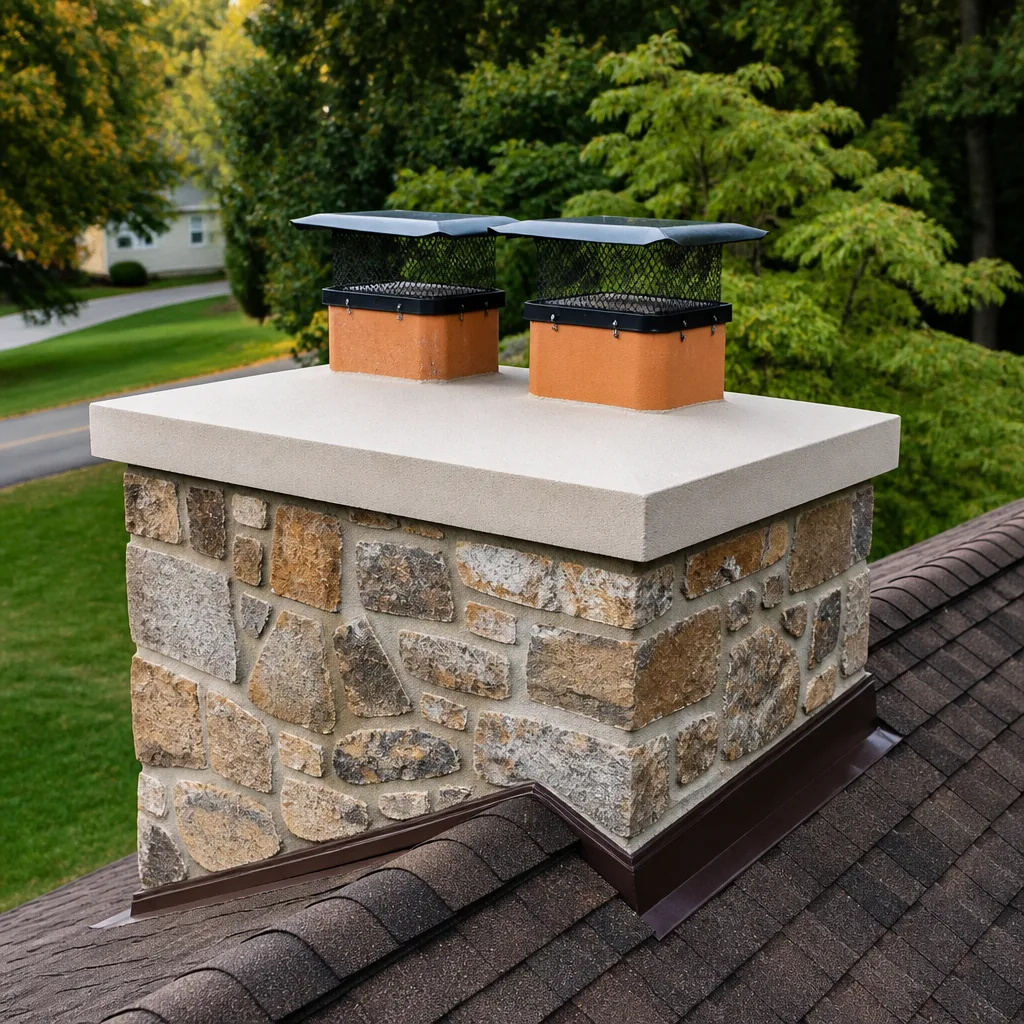 Caps & crowns
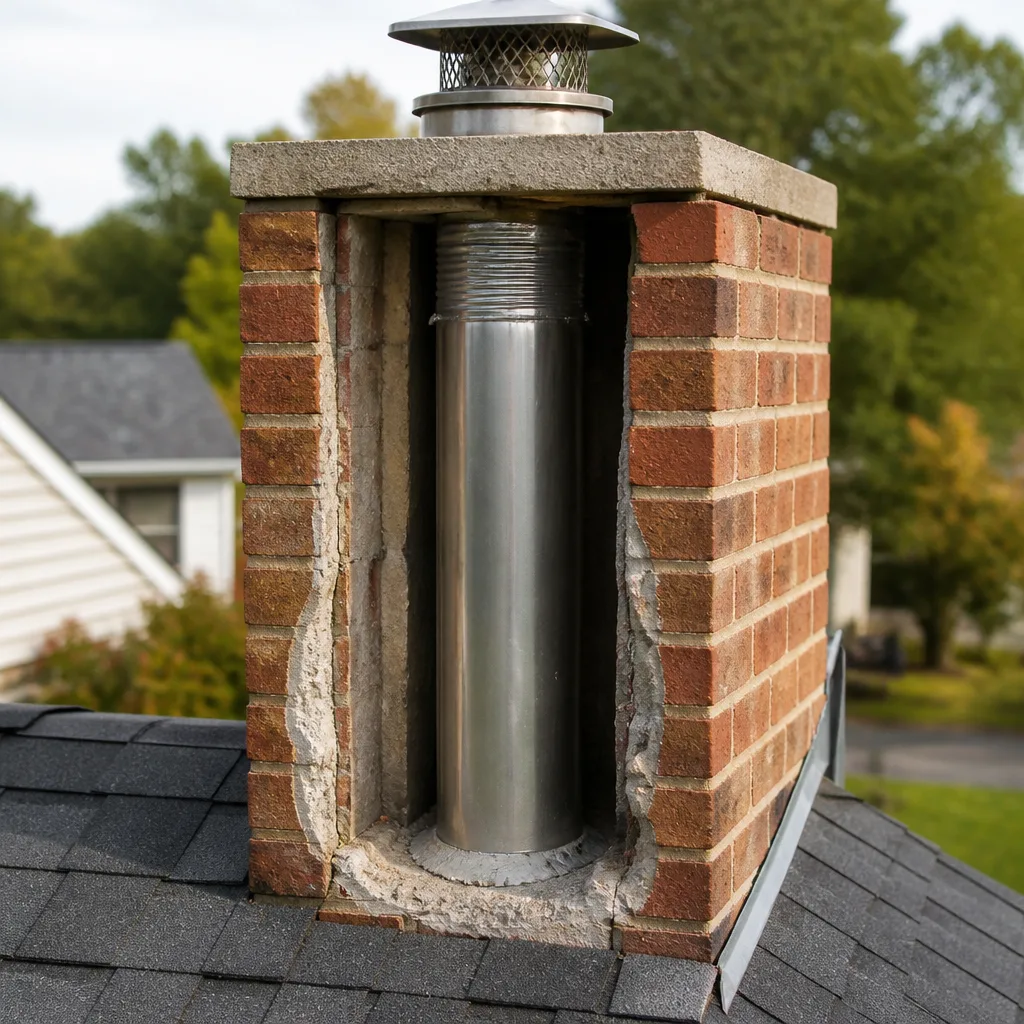 Flue relining
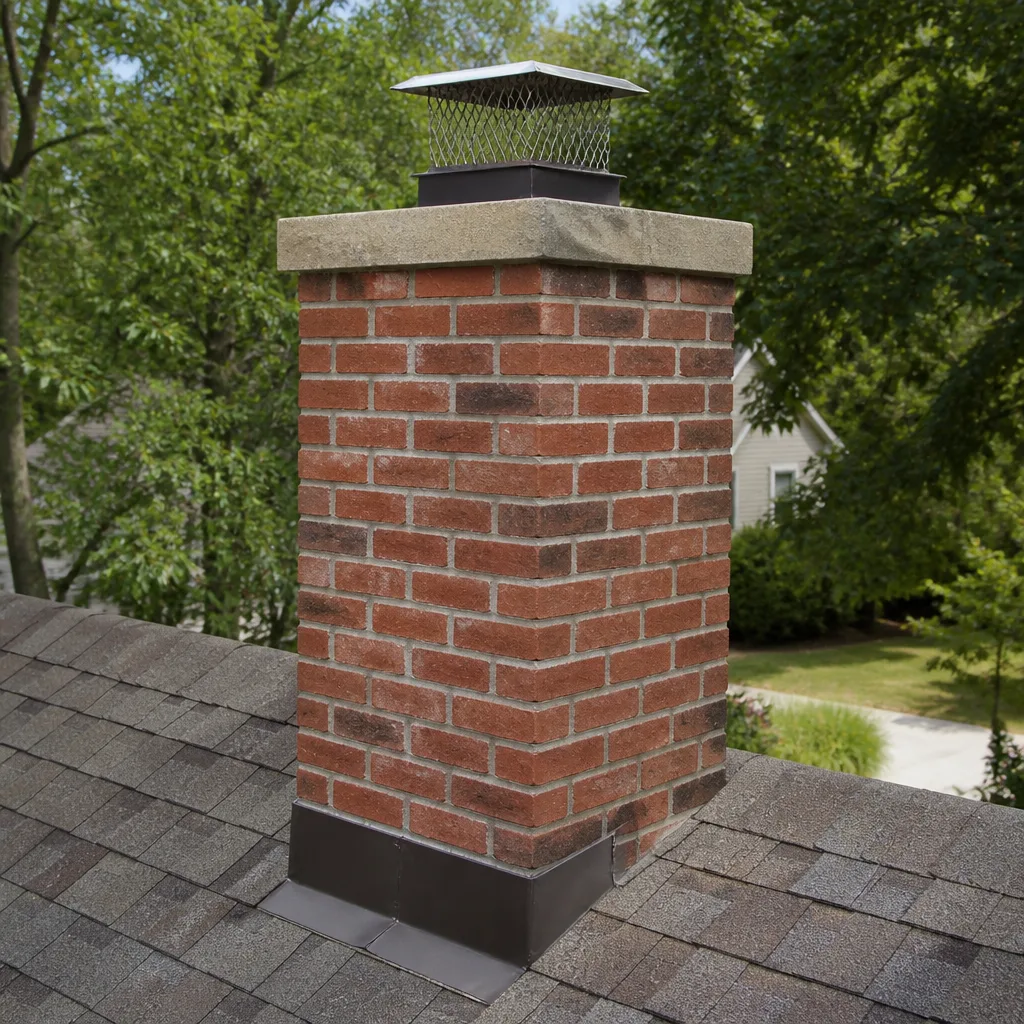 Masonry repair
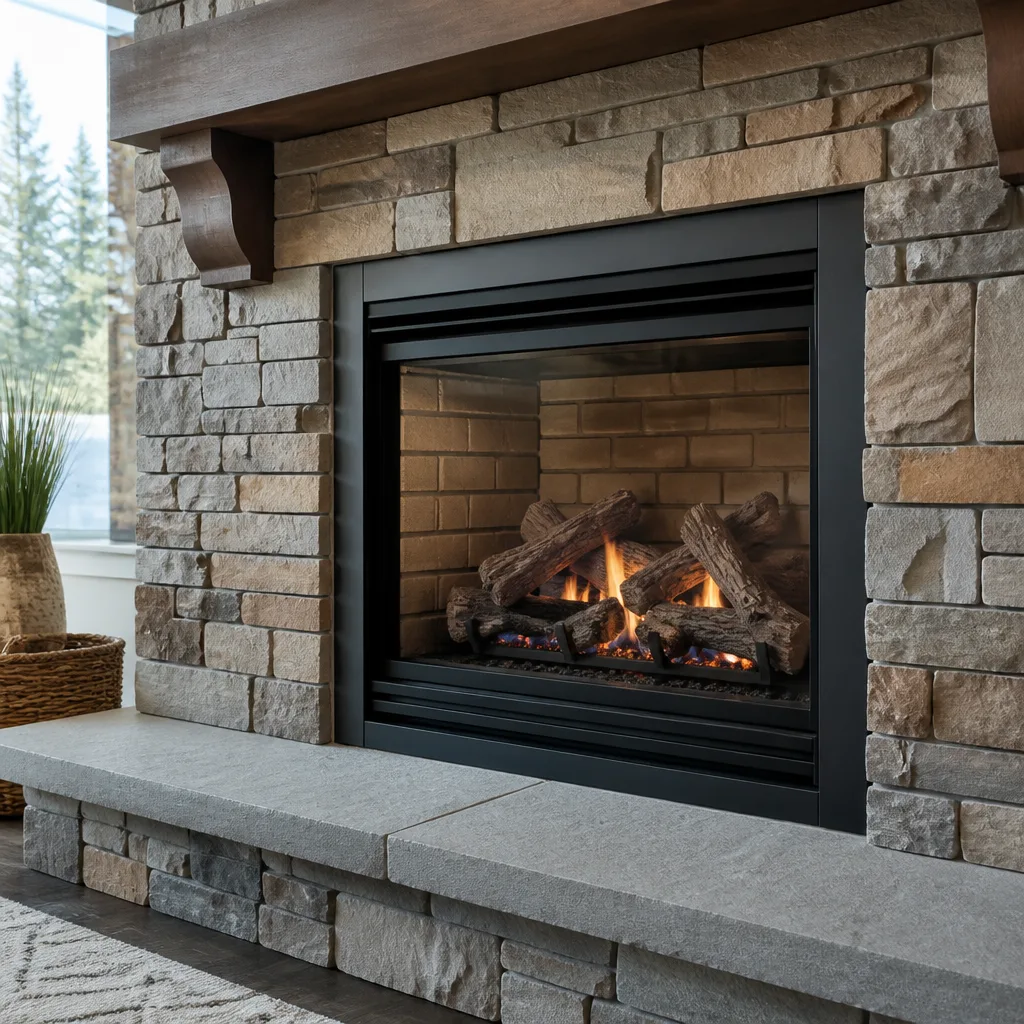 Gas fireplace service
Level 1 sweep and inspection to the NFPA 211 annual standard - flue, crown, cap, and flashing checked and photographed
Chimney sweep logs do not sweep chimneys. They loosen some creosote - which then falls where a brush and vacuum still have to collect it.
Chimney Cleaning Cost Breakdown: The Eagle Rock Homeowner’s Reference for 2026
A $79 sweep coupon and a $350 sweep are often the same twenty minutes of brush work. The brush doesn’t change. What changes is everything around it – whether the technician pulled a camera into the flue or glanced down it with a flashlight from the roof, whether the creosote stage got measured or guessed, whether you leave with a written record of what’s inside your chimney or a receipt that says “cleaned.” That gap in scope, not profit margin, is why chimney cleaning quotes in Eagle Rock swing by a factor of three or more for what sounds like an identical job. This guide breaks down what each line item actually buys you in the 2026 Eagle Rock market, what drives the range within a single service category, and how to read a quote by what’s inside it instead of the total at the bottom.
Styles & brands we work with
- Sweep & inspection
- Caps & crowns
- Flue relining
- Masonry repair
- Gas fireplace service
Quick Answer
A standard chimney sweep in Eagle Rock typically runs $180 to $350 in 2026, and a Level 1 inspection is usually folded into that price. A Level 2 inspection with a camera scan of the flue generally adds $150 to $400 on top, and it’s the piece that determines whether your chimney needs a $200 minor repair or has a stage-2 creosote problem heading toward a $3,000 to $8,000 fire-damage repair. The written estimate you receive after the inspection sets the final price for any repair work.
Table of Contents
- What does chimney cleaning actually cost in Eagle Rock in 2026?
- What makes one Eagle Rock sweep cost more than another?
- How to read a quote: line items that signal a real job
- Level 1 vs. Level 2 inspection: what the camera is worth
- The $350 inspection versus the $8,000 fire
- Smoke chamber parging, crown coating, and when add-ons are real
- Liner resurfacing: the repair most sweeps can’t offer
- Common mistakes to avoid
- When to call a professional
- Frequently asked questions
- The bottom line
What does chimney cleaning actually cost in Eagle Rock in 2026?
Here’s the direct answer: a routine sweep in Eagle Rock typically lands between $180 and $350, and a full diagnostic picture with a camera scan usually brings the combined total to $350 to $650. Everything above that involves repair or restoration, not cleaning.
The ranges below reflect what we see quoted across Eagle Rock and the surrounding hillside neighborhoods – Glassell Park, Highland Park, Mount Washington, and the older housing stock along Colorado Boulevard and Eagle Rock Boulevard. They’re typical estimates, not fixed prices, and the written estimate after inspection is what governs.
| Service | Typical Eagle Rock Range (2026) | What It Covers |
|---|---|---|
| Standard sweep (with Level 1 inspection) | $180 – $350 | Brush and vacuum of the flue, firebox cleaning, visual inspection of accessible portions |
| Level 2 inspection (camera) | $150 – $400 added | Video scan of the full flue, smoke chamber, and accessible joints; written report |
| Minor repair (damper, mortar joint, cap reseat) | $150 – $450 | Targeted fixes identified during inspection |
| Crown coating or rebuild | $300 – $900 | Sealing or replacing the concrete crown at the chimney top |
| Chimney cap installation | $200 – $500 | Engineered stainless or copper cap sized to the flue |
| Smoke chamber parging | $400 – $1,200 | Resurfacing the smoke shelf and chamber to restore proper draft |
| HeatShield liner resurfacing | $1,800 – $4,500 | Restoring a deteriorating clay flue without full liner replacement |
Notice that the sweep itself is the smallest line. The moment a technician finds a cracked crown, a gap at the smoke chamber, or a flue that’s glazed with stage-3 creosote, the conversation moves from a $250 cleaning to a repair decision. That isn’t a sales tactic in most cases – it’s what the flue actually reveals once someone looks at it properly. The variance homeowners should focus on isn’t the sweep price; it’s whether the inspection protocol behind the sweep was thorough enough to catch the problem before it became expensive.
What makes one Eagle Rock sweep cost more than another?
Two Eagle Rock homes on the same street can get quotes 200 dollars apart for a sweep that looks identical on paper. In our experience, five factors explain almost all of it.
1. Flue height and roofline access
A single-story ranch with a through-the-roof flue that’s eight feet off the roofline is a straightforward job. A two-story hillside home where the chimney sits at the downhill edge of a steep pitch is a different afternoon. Long flues need more brush extensions, more vacuum hose, and a technician who’s comfortable working above a grade that drops fast. Eagle Rock’s hillside properties – particularly the older homes climbing toward the ridge above Colorado Boulevard – regularly fall into that second category.
2. Liner type and condition
A round stainless liner sweeps clean quickly. A rectangular clay-tile flue with offset joints and mortar that’s spalling grabs creosote differently and demands more attention at each transition. Older Eagle Rock homes built in the first half of the twentieth century often have original clay tile with joints that have shifted over the decades. That’s not a defect – it’s aging – but it takes longer to sweep and it’s exactly what the camera catches.
3. Creosote stage
This is the biggest single driver. Creosote comes in three recognizable stages:
- Stage 1: Soot and light flaky deposits. Standard brush work handles it.
- Stage 2: Crusty, hardened deposits. Stubborn but sweepable with the right tools and time.
- Stage 3: Glazed, tar-like, glassy creosote. Brush work alone won’t remove it; it usually takes chemical treatment plus mechanical removal over more than one visit.
A home that burned a lot of green or unseasoned wood in previous seasons commonly arrives at stage 2. A stage-3 flue is a pre-fire condition, and it prices accordingly. No honest technician can tell you the stage until they’ve seen inside.
4. Access difficulty inside the home
Furniture, rugs, pets, and a firebox set behind a raised hearth all affect how the work goes. Professional sweeps set up drop cloths and negative-air vacuums so the room isn’t left with a film of soot, and that setup takes time.
5. Whether the technician enters the flue or just looks from the top
This is the one that matters most. A technician who brushes from the roof and shines a flashlight down the flue has inspected perhaps 40 percent of what needs checking. A technician who runs a camera the full length of the flue, down through the smoke chamber and to the damper, has seen the whole system. The second version costs more, and it’s the version that tells you whether your chimney is safe.
How to read a quote: line items that signal a real job
A thorough sweep quote in Eagle Rock has specific line items; a thin one doesn’t. Instead of comparing totals, walk through these in order.
- Written scope of the sweep itself. It should name the flue, the firebox, the smoke chamber, and the damper. A quote that says “chimney cleaned” and nothing else is telling you the scope ends at the brush.
- Inspection level stated explicitly. Level 1 or Level 2 – the quote should say which. If it doesn’t, ask. This single question separates a sweep from a diagnostic.
- Camera documented or not. For a Level 2, the report should include photos or video frames. You should see what the technician saw.
- Creosote stage noted. Any credible inspection report names the stage. It’s the baseline against which the next visit gets compared.
- Conditions found, not just services sold. A real report says what’s present – a hairline crack at the crown, a rusted damper, a gap at a tile joint – and what each condition means for safety and for the next repair decision.
- Disposal and cleanup. Soot has to leave the property. Anything less gets left in your yard or your living room.
- Estimate for any repair, written and separate. Repairs should never be bundled into the sweep price. The sweep price covers the sweep. Repairs come on a separate written estimate you can read, question, or decline.
When you line up three quotes side by side against these seven items, the pricing variance usually stops looking random. The $180 quote often stops at item two. The $350 quote reads through item seven. Our Chimney Sweep Eagle Rock inspection reports run through every one of them because the technician who finds a problem is the same technician who writes the repair estimate – there’s no second visit, no referral out, no waiting game.
Level 1 vs. Level 2 inspection: what the camera is worth
A Level 1 inspection is a visual check of readily accessible portions of the chimney – the firebox, damper, and what’s visible of the flue from the top and bottom. A Level 2 adds a video camera run through the entire flue, the smoke chamber, and any concealed portions. The Level 2 costs $150 to $400 more, and in Eagle Rock’s older housing stock, it’s almost always the right call.
Why? Because clay-tile flues settle. Hairline cracks in a tile joint don’t announce themselves. They don’t create smoke in the room, they don’t smell, and they don’t show up from the roof with a flashlight. What they do is let heat and combustion gases – including carbon monoxide – migrate into the surrounding wall cavity. A Level 1 inspection cannot see them. A camera can.
Call a Level 2 for any of these situations:
- The home is new to you and you don’t have a documented inspection history
- The chimney has survived a chimney fire, even a small one
- You’ve changed the appliance – added an insert, swapped oil for gas, or converted a wood stove
- There’s been an earthquake, a masonry repair, or a roof replacement since the last inspection
- You’re seeing staining, efflorescence, or moisture at the smoke chamber or in a nearby wall
Eagle Rock sits in a seismic region, and a chimney that survived the last significant shake without visible damage is still a chimney whose flue joints deserve a camera pass. The chimney sweep at your home is the right moment to schedule that inspection, since the flue is already prepped and the tools are already there. Pairing them saves a second visit.
The $350 inspection versus the $8,000 fire
Here’s the arithmetic that matters more than any individual line item: a Level 2 inspection at $350 catches a stage-2 creosote problem while it’s still a cleaning job. Allowing that same problem to progress to a chimney fire commonly costs $3,000 to $8,000 to repair afterward – and that’s assuming the fire stayed inside the chimney.
The comparison isn’t meant to scare. It’s meant to size the decision. A chimney fire isn’t strictly predictable, and a clean flue does not guarantee against one. What a proper inspection does is remove the most common cause: accumulated creosote ignited by a hot ember or a flare-up.
Stage 2 creosote looks like hardened, crusty, dark material clinging to the flue wall. It’s the stage most often reached by homes that have burned damp wood, restricted the air supply too aggressively (a habit that makes creosote condense rather than burn off), or skipped a season of sweeping. Once it hardens to stage 3, the flue can’t be cleaned back to bare clay without chemical treatment – and a flue that can’t be cleaned is a flue that needs relining.
What we watch for during an inspection:
- The creosote stage from top of flue to damper
- Tile joint integrity – cracks, gaps, offset joints
- Damper operation and fit
- Smoke chamber and smoke shelf condition
- Crown cracks that let water track down the flue exterior
- Cap presence and condition – a missing cap is an open door for rain and animals
- Visible evidence of a past fire – puff marks, cracked tiles, discoloration
Every one of these shows up in the report with a photo. Nothing gets recommended that you can’t see for yourself. If the flue is at stage 1 or low stage 2 and the joints are intact, a routine sweep is the whole answer – we’ll say so and skip the upselling. If the report shows a condition that can safely wait, we’ll say that too and tell you roughly how long.
Smoke chamber parging, crown coating, and when add-ons are real
Add-on services are the place where honest chimney work and aggressive chimney work look identical on paper. Here’s how to tell them apart in Eagle Rock.
Smoke chamber parging
The smoke chamber is the sloped area between the firebox and the flue. Older construction often left it rough, with exposed brick corbels that catch creosote and disrupt draft. When parging is necessary, it’s because the chamber is rough, has gaps at the damper frame, or has visible creosote buildup on an unpareable surface. When it’s an upsell, the chamber is smooth and sound and the recommendation is cosmetic. Ask to see a photo of the chamber from inside. If the technician can’t produce one, don’t authorize the work.
Crown coating or rebuild
The crown is the concrete slab at the top of the chimney that sheds water away from the flue. A hairline crack is normal aging; a crack wide enough to pass water into the flue is not. Crown coating (a flexible sealant applied over the existing crown) is appropriate when the crown is intact but cracked. A rebuild is appropriate when the crown has separated from the flue or is crumbling. In Eagle Rock’s dry summers and mild but wet winters, water intrusion is the single most common cause of masonry damage we see. An engineered crown, properly installed and matched to the flue size, is worth the cost when the report shows water tracking.
Chimney cap installation
A missing or damaged cap is one of the few recommendations that’s essentially always justified. An uncapped flue invites rain, birds, squirrels, and debris. It also lets downdrafts push smoke back into the room on windy days. Engineered caps – the stainless and copper options from Olympia Chimney and Famco – are sized to the actual flue and mounted so they don’t rattle loose. Our chimney cap & crown work uses those lines specifically because a generic hardware-store cap doesn’t survive a decade on an Eagle Rock roof.
What we tell homeowners who ask how to spot an upsell: every add-on should come with a photograph and an explanation of what fails if it isn’t addressed. If the explanation is vague, ask for the photo. If there isn’t one, decline the add-on.
Liner resurfacing: the repair most sweeps can’t offer
Most chimney sweeps can clean a flue. Many can install a new stainless liner. Fewer can resurface a deteriorating clay flue without tearing it out, and that distinction matters for the price you pay and for the disruption you avoid.
HeatShield resurfacing is a method for restoring a deteriorating clay flue from the inside. The process fills cracks, seals open joints, and creates a smooth, insulating surface that returns the flue to safe operation. On a flue that’s cracked but structurally intact, it can save the cost and demolition of a full reline. In our experience, it’s a middle path between “clean and monitor” and “replace the whole liner.”
When resurfacing makes sense:
- Hairline cracks and open joints in clay tile, confirmed by camera
- The flue is properly sized and structurally sound
- The chimney is not currently venting a gas appliance requiring a specific liner material
- The alternative is a full stainless reline, and the clay tile is otherwise usable
When it doesn’t:
- The tile is displaced or missing, or the flue is out of round
- The flue is oversized for the appliance, in which case a properly sized stainless liner – DuraFlex, Copperfield, or equivalent – is the correct answer
- There’s active masonry damage that needs structural repair first
Liner resurfacing runs $1,800 to $4,500 in the current Eagle Rock market, and full stainless relining runs higher. The camera evidence decides between them. We do both, which means the recommendation isn’t shaped by which one we can offer – we offer both. If a sweep-only company quotes you a full reline without ever running a camera, ask why they skipped the diagnostic step.
Common Mistakes to Avoid
- Buying a sweep because the coupon was cheap. The sweep price is the least informative part of the quote. Ask what the inspection protocol includes before you compare totals, or you’ll be comparing two different services as if they were one.
- Skipping the camera in an older Eagle Rock home. If the home was built before roughly the 1970s and you don’t have a documented inspection history, a Level 1 inspection is a visual check, not a diagnostic. Ask for the Level 2.
- Burning unseasoned wood to save money. Wet wood produces more creosote, which accelerates the flue’s aging and raises the cost of every future sweep. Seasoned wood is cheaper in the long run.
- Authorizing repairs without photos. Any technician asking you to spend $1,000 or more should be able to produce a photograph of the condition being repaired. A quote without evidence is a quote to decline, from any company including ours.
- Assuming a sweep is the same as an inspection. They’re related but distinct. A sweep cleans; an inspection diagnoses. If a quote only covers the cleaning, you haven’t been inspected, and you don’t know what’s in your flue.
- Ignoring a missing cap or cracked crown. In Eagle Rock’s climate, water intrusion through a failed crown or uncapped flue erodes the masonry silently and adds years to the eventual repair bill. This is one of the few places where acting early is straightforwardly cheaper.
- Letting a chimney fire go undocumented. Even a small chimney fire leaves damage – puff marks, cracked tiles, warped dampers – that a fresh inspection needs to see. If you’ve had one, schedule the Level 2 before the next burn season rather than after the next repair bill.
When to Call a Professional
Some chimney tasks belong to a homeowner: cleaning the firebox, removing ash, checking that the damper opens and closes. Others need a trained technician because they involve high-heat conditions, confined spaces, or gas paths you can’t see. Call a professional when:
- You haven’t had the chimney inspected in more than a year of regular use
- You’ve just purchased an Eagle Rock home and have no inspection documentation
- Smoke rolls back into the room when the fireplace is lit, or the fire is slow to draft
- You smell a strong, acrid, campfire-like odor on warm days – often a sign of accumulated creosote
- You’ve noticed staining or white mineral deposits on the chimney exterior or in a nearby wall
- You know the chimney has had a fire, even a small one you put out yourself
- The chimney crown is cracked, or the cap is missing or damaged
- You’re using a wood insert, stove, or changed fuel type and haven’t had the flue re-inspected
Chimney Sweep Eagle Rock offers free estimates in Eagle Rock. Call (855) 506-8977. We answer 24/7. Fast dispatch from 7am to 7pm, Sunday through Friday. Our technicians have up to 14 years of experience, and every inspection comes with photos you can see for yourself before you authorize any repair.
Frequently Asked Questions
A standard chimney sweep in Eagle Rock typically costs $180 to $350, with a Level 1 inspection usually included. If the quote is much below that range, ask what inspection protocol the price includes; if it’s much above without a camera scan or written report, ask what the extra covers. Call (855) 506-8977 for an exact quote – estimates are free.
You need a new liner when a camera inspection shows cracked or displaced tiles, gaps at joints, or a flue that no longer contains combustion gases safely. You don’t need one from a visual, top-of-flue glance. Ask for the camera evidence. If the company can’t produce a photograph or video frame of the condition, decline the recommendation – and if the flue is sound, ask whether HeatShield resurfacing could restore it more economically than a full reline.
Once per year of regular use is the standard recommendation, and more often if you burn frequently, burn softwood, or notice creosote building up faster than one season’s accumulation. If you’ve had a chimney fire, an inspection is due regardless of how recent the last sweep was. Call (855) 506-8977 to book a sweep and Level 1 inspection together.
Creosote accumulates. Stage 1 becomes stage 2, stage 2 becomes stage 3, and stage 3 is the precondition for a chimney fire – the kind that typically costs $3,000 to $8,000 to repair afterward. A missed sweep also means a missed opportunity to catch water intrusion, a failing crown, or a cracked tile while each is still cheap to fix. If it’s been two seasons or more, book the inspection now.
For most Eagle Rock homes built before the 1970s, yes. Clay-tile flues settle over decades, and hairline cracks in tile joints aren’t visible from the roof or from the firebox. The Level 2’s camera scan is the only way to see them. The extra $150 to $400 is small against the cost of a liner replacement that could have been avoided, or a fire that could have been prevented.
Yes. Chimney Sweep Eagle Rock provides a free estimate on the repair, separate from the sweep and inspection fees, based on what the inspection finds. Nothing is recommended without camera evidence, and we’ll tell you plainly when a repair can safely wait. Call (855) 506-8977 – we answer 24/7, and dispatch runs 7am to 7pm, Sunday through Friday.
The Bottom Line
Chimney cleaning in Eagle Rock isn’t priced by the brush stroke – it’s priced by what surrounds the sweep. A standard cleaning at $180 to $350 covers the brush work; the $150 to $400 Level 2 inspection on top is what tells you whether the flue is safe, whether the creosote has reached a stage that needs more than a cleaning, and whether a crack in a tile joint is going to cost you a repair now or a fire later. Read every quote by the line items: inspection level, camera evidence, creosote stage noted, repairs on a separate written estimate. When those are present, the total starts making sense. When they’re not, it doesn’t matter how low the total was – you didn’t get the service the number implied.
Our team works the full chimney lifecycle – sweep, inspection, cap and crown, fireplace repair, and structural chimney repair – with professional-grade materials from DuraFlex, HeatShield, Gelco, Olympia Chimney, Famco, and Copperfield. One call covers it: the team that inspects is the team that repairs. We’ll show you exactly what we found and exactly what it means, and if the chimney is fine, we’ll tell you that too. For fireplace repair or a full diagnostic, the same team handles it start to finish.
Call (855) 506-8977 for a free estimate. We answer 24/7. Fast dispatch from 7am to 7pm, Sunday through Friday.
Written by the team at Chimney Sweep Eagle Rock.
See the difference
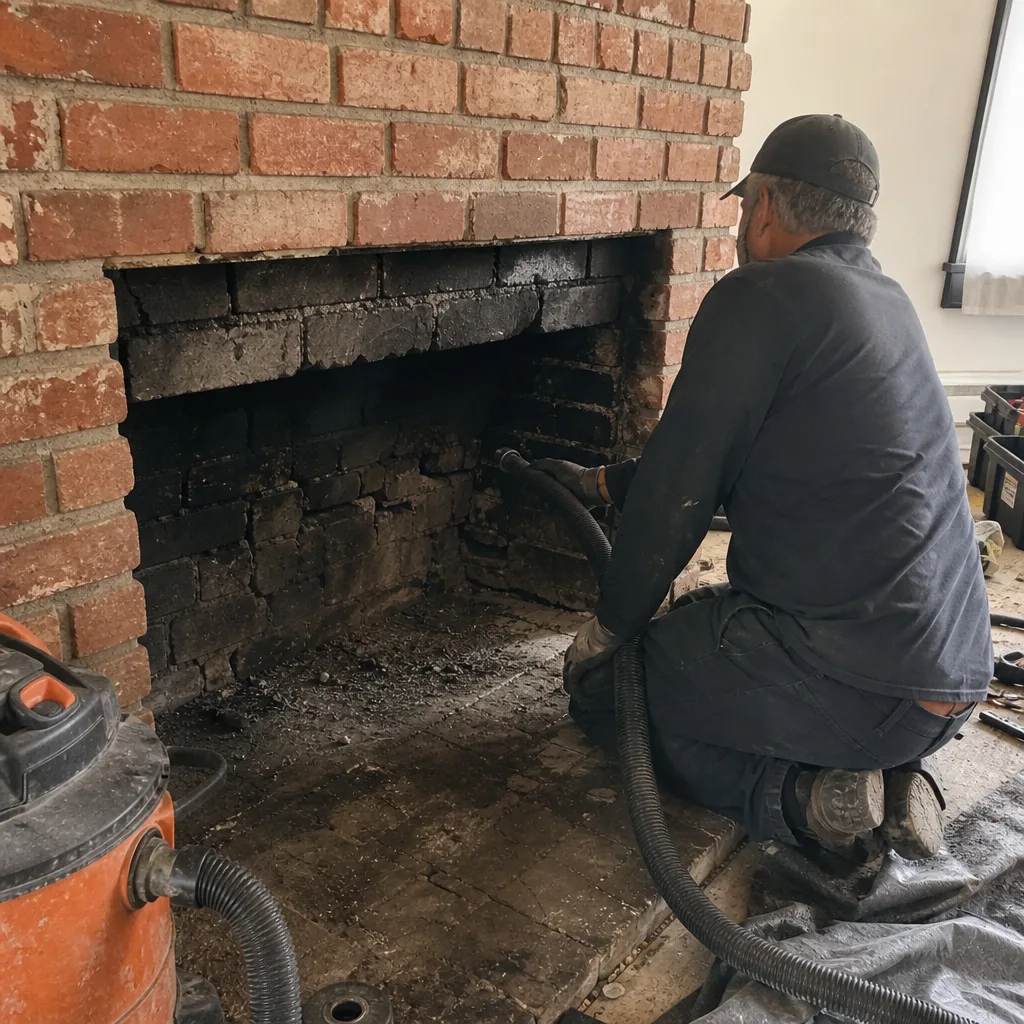 Before
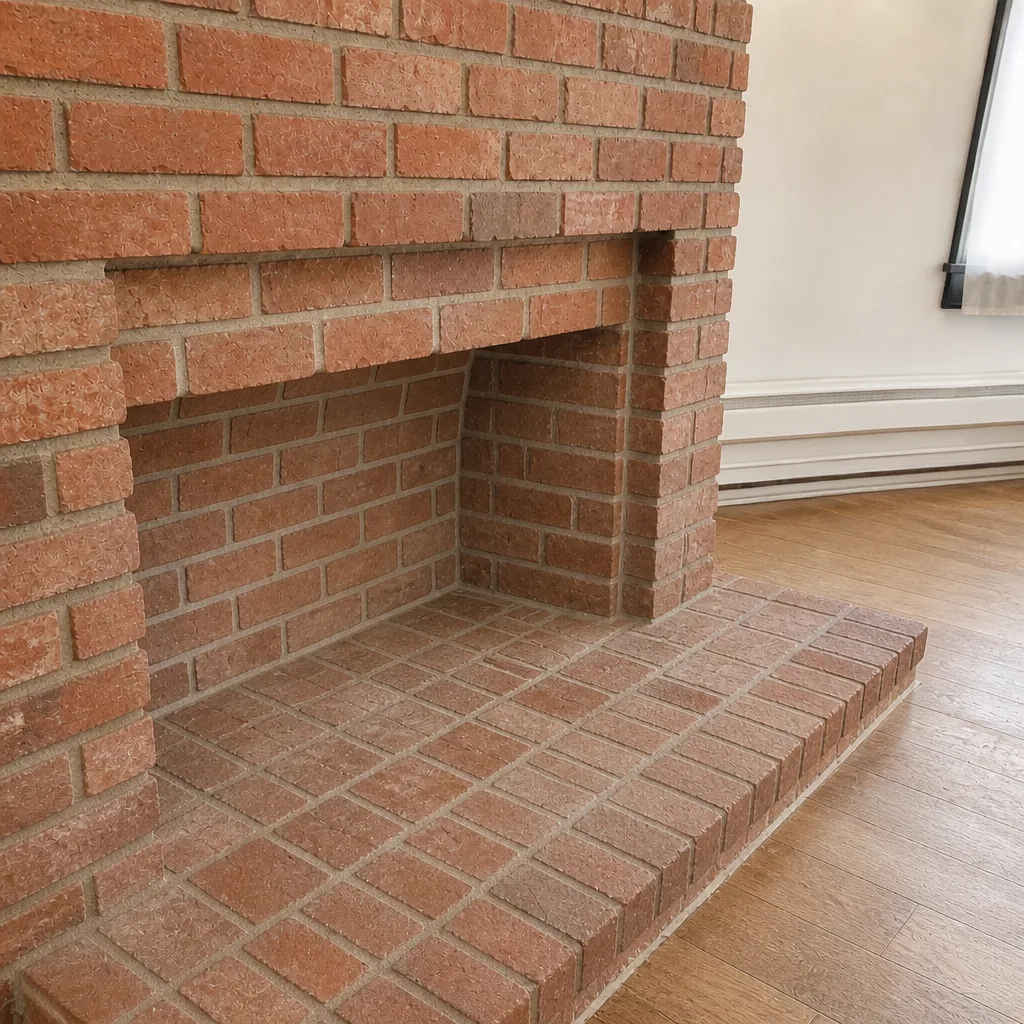 After
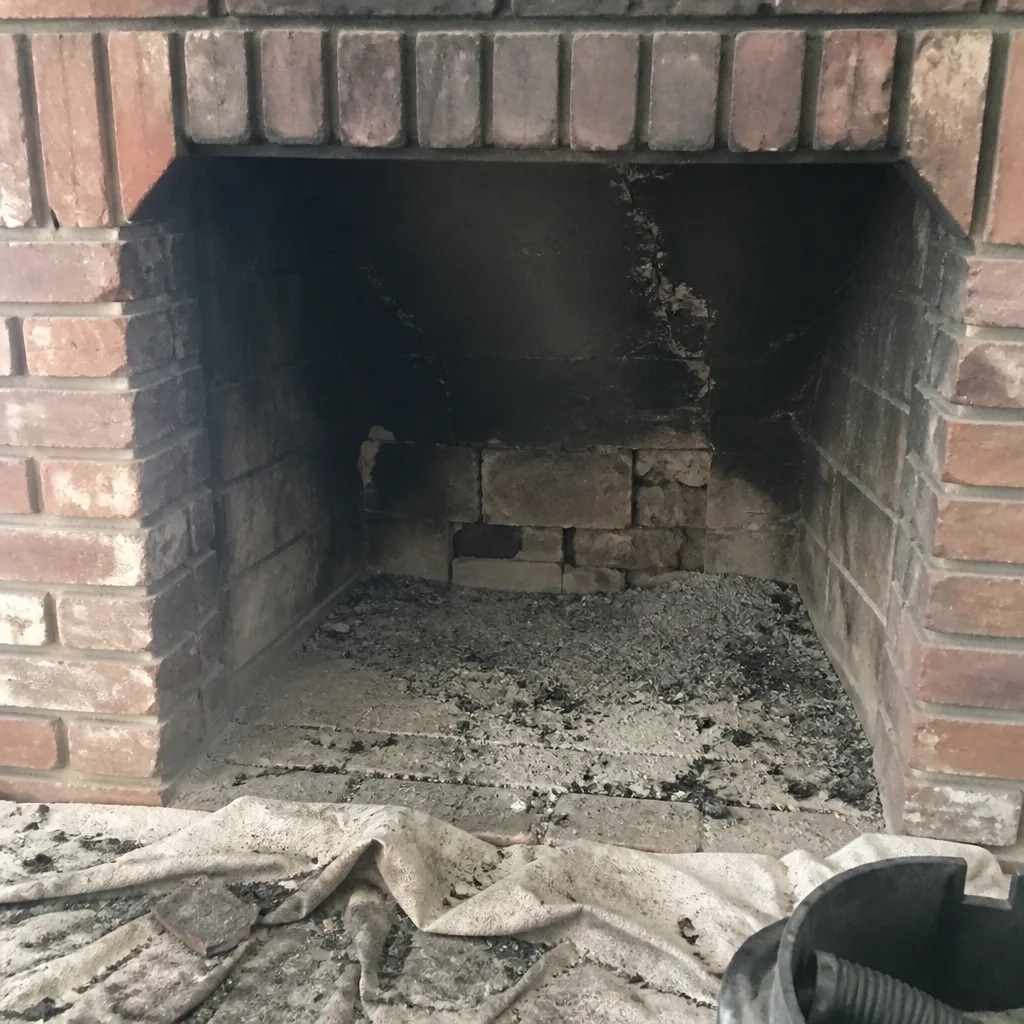 Before
 After
 Before
 After