
Last updated November 22, 2026
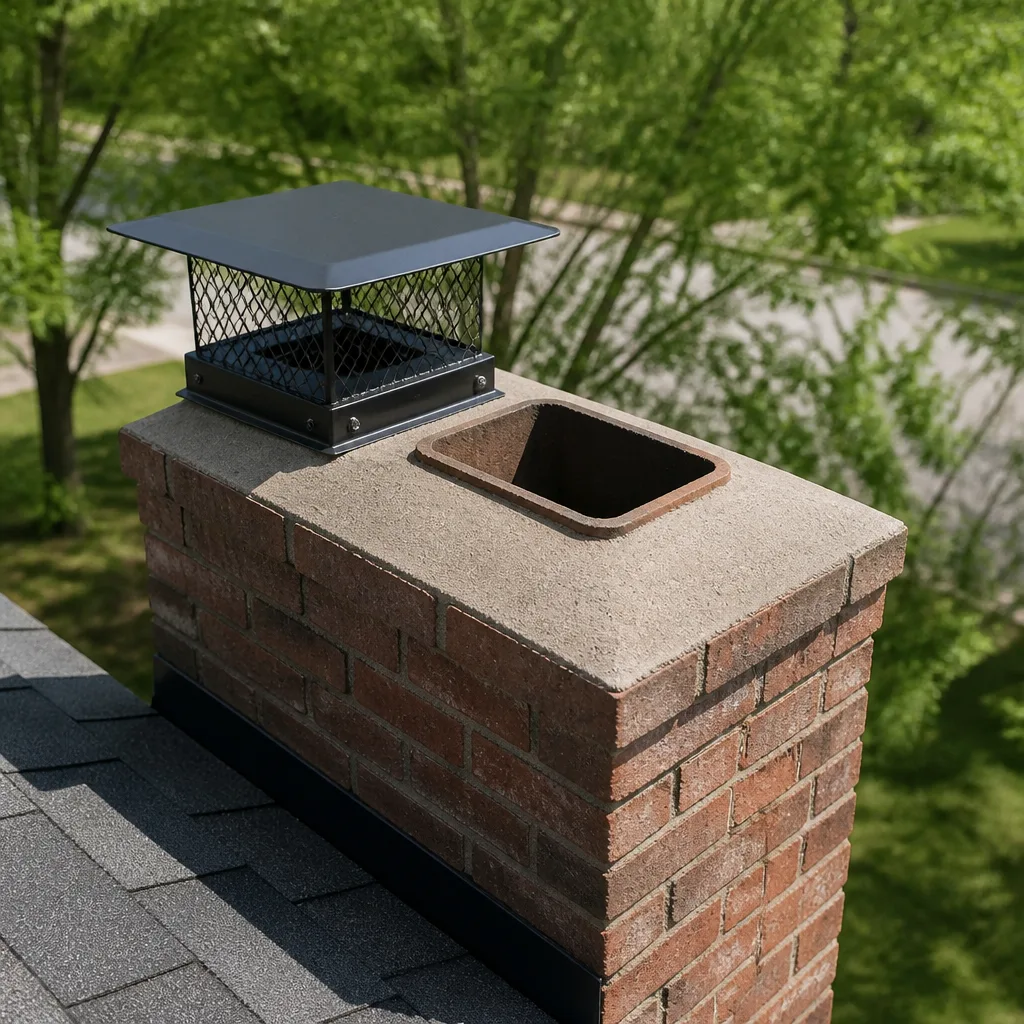 Sweep & inspection
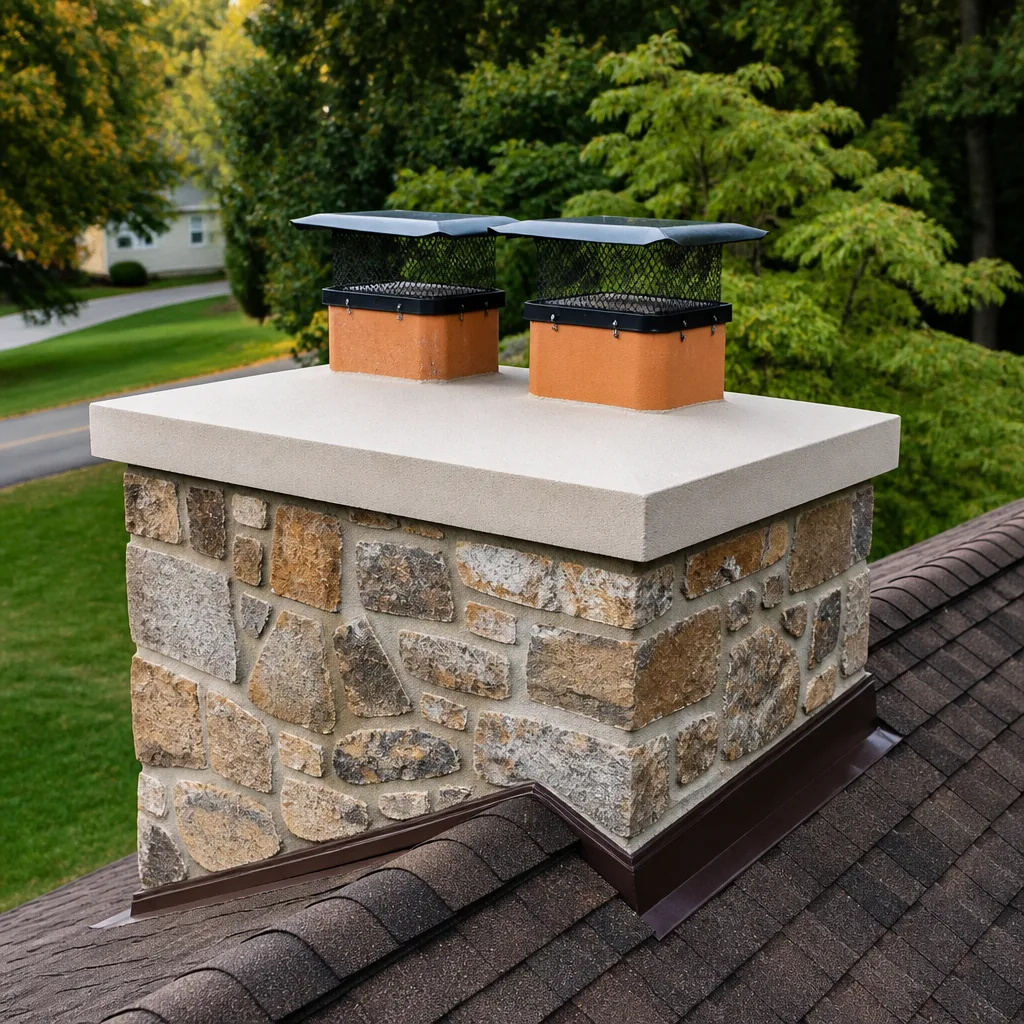 Caps & crowns
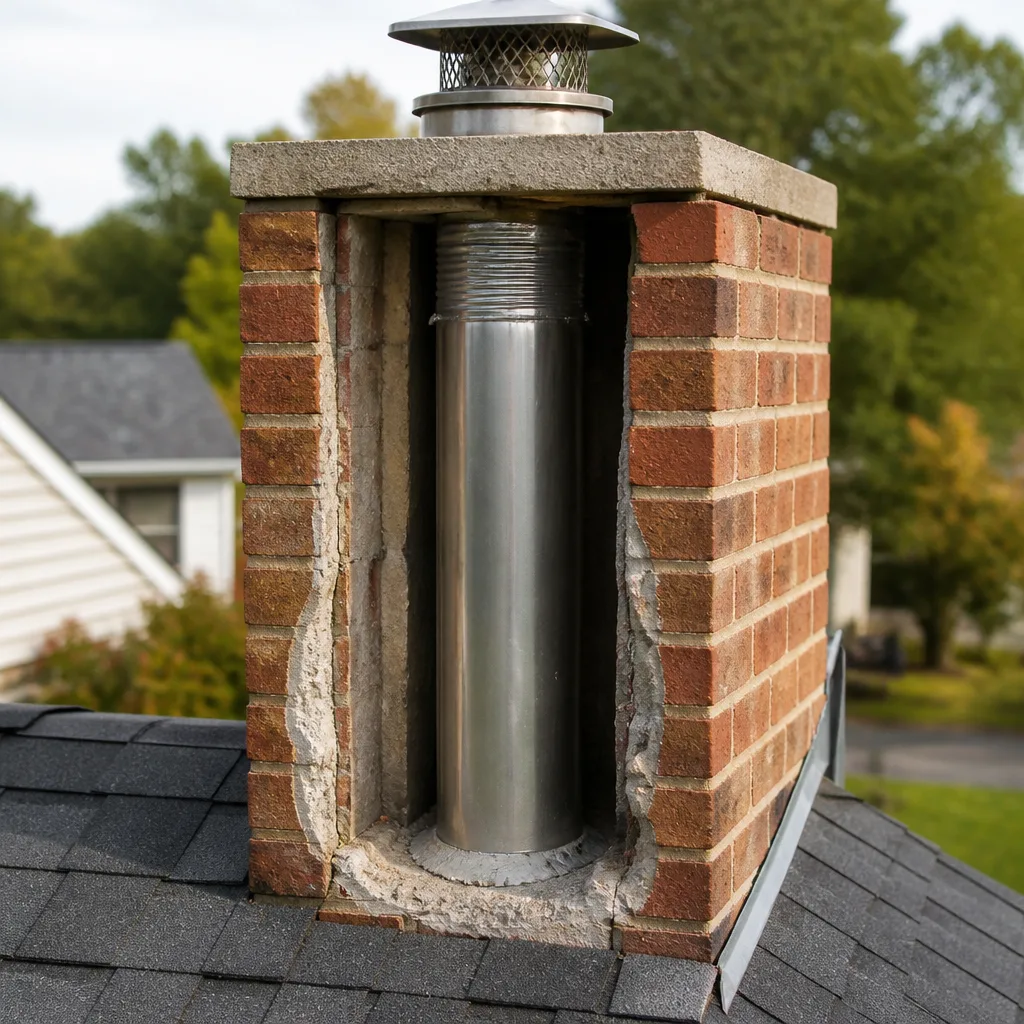 Flue relining
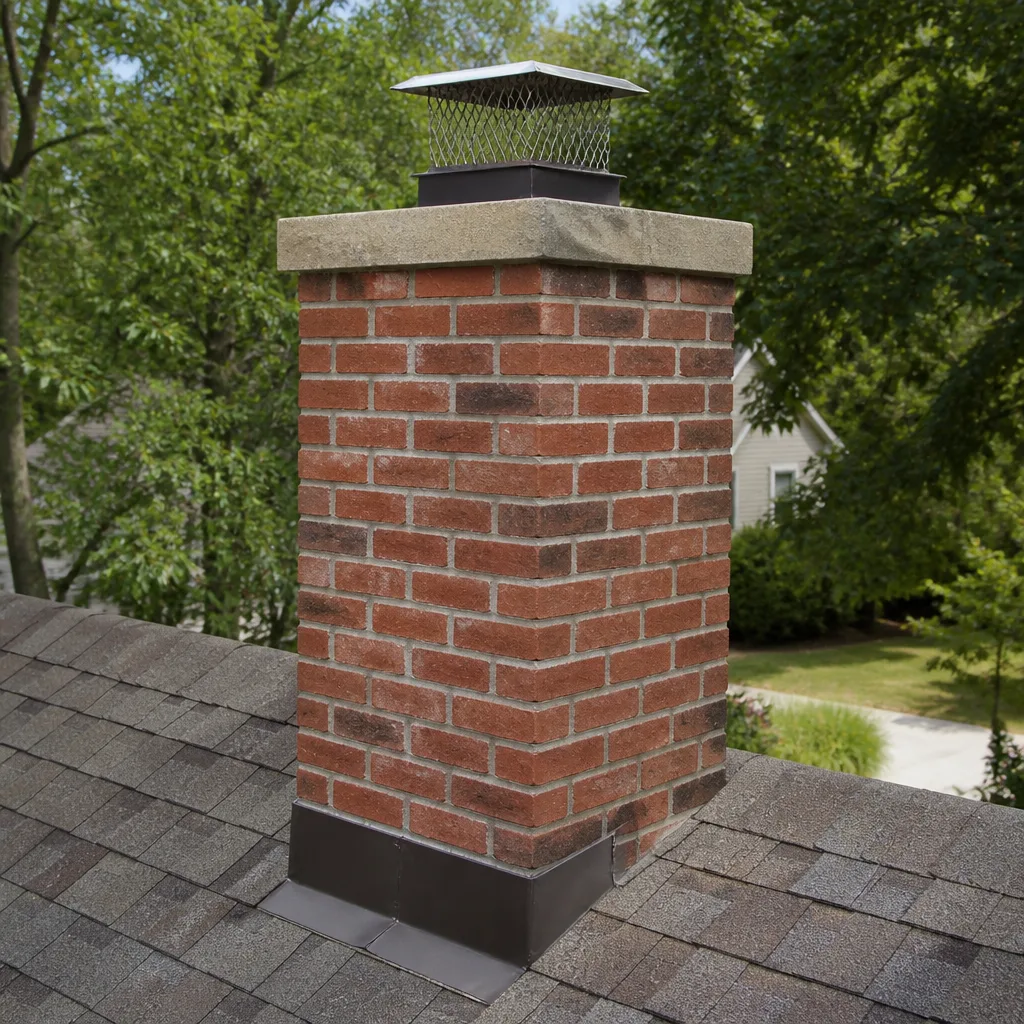 Masonry repair
 Gas fireplace service
Level 1 sweep and inspection to the NFPA 211 annual standard - flue, crown, cap, and flashing checked and photographed
Chimney sweep logs do not sweep chimneys. They loosen some creosote - which then falls where a brush and vacuum still have to collect it.
Chimney Cleaning Warning Signs: An Eagle Rock Homeowner’s Reference Guide
A smoky smell in your living room on a hot August day, four months after the last fire, isn’t a mystery. It’s a diagnosable flue draft condition with a specific cause, and it’s telling you something about your chimney right now. Most homeowners in Eagle Rock read these signals wrong. They blame “old wood” for the odor and “hard water” for the white staining on the brick, then go back to the couch. In our experience, those two misreadings alone account for a large share of the chimney damage we’re called out to assess. This guide walks through every warning sign a fireplace owner can actually see and smell from inside the house, explains which flue component each one points to, and shows you where cosmetic wear ends and structural trouble begins.
Quick Answer
The main chimney cleaning warning signs are persistent odor when the fireplace is idle, white or dark staining on the brick, flaking or crumbling mortar, smoke rolling back into the room, and a black, glossy buildup inside the firebox. Each one points to a specific flue condition, from creosote accumulation to moisture intrusion to a draft problem, and most are visible from inside the home long before they become structural. If you notice any of them, an inspection with a camera is the only way to know what’s actually happening in the flue.
Styles & brands we work with
- Sweep & inspection
- Caps & crowns
- Flue relining
- Masonry repair
- Gas fireplace service
Table of Contents
- The Sign-by-Sign Diagnostic Table
- Why “It Still Draws Fine” Tells You Almost Nothing
- Reading the Smell: Creosote, Animals, or Moisture
- The Scratch Test: Cosmetic Spalling vs. Real Deterioration
- The Eagle Rock Warn: Seismic Micro-Movement and Hidden Flue Fractures
- What a Real Cleaning Actually Catches
- When Eagle Rock Homeowners Should Book a Sweep
- Common Mistakes to Avoid
The Sign-by-Sign Diagnostic Table
Most chimney guides give you a list of symptoms with no connection to the part of the chimney that’s actually failing. That’s not useful. A symptom is only worth acting on when you know which component it implicates, because the fix differs completely depending on whether the problem lives in the firebox, the flue tiles, the crown, or the cap. Here’s how we map the visible signs to the specific part of the system that’s likely involved.
| What You Notice | Likely Flue Component | What It Usually Means |
|---|---|---|
| Smoky odor when the fireplace is idle | Flue, draft system | Negative pressure or creosote off-gassing; the flue isn’t venting correctly |
| White, chalky staining on exterior brick | Flue, crown, or mortar joints | Moisture migrating through the masonry and depositing salts on the surface |
| Dark staining near the firebox or damper | Firebox, smoke chamber | Creosote or soot escaping past a seal that’s no longer tight |
| Flaking, crumbling mortar between bricks | Brick and mortar joints | Water penetration breaking down the mortar, or age-related spalling |
| Smoke rolling back into the room | Flue, cap, damper | Restricted flue, blocked cap, or an undersized flue for the firebox |
| Black, glassy buildup inside the firebox | Firebox, flue | Stage-three creosote, the most flammable form, needs a professional sweep |
| Water in the firebox after rain | Cap, crown, flashing | A failed cap or crown is letting water in; flashings may also be involved |
That table is the fast reference. The rest of this guide digs into the “why” for each one, because understanding the mechanism is what lets you tell a homeowner-level observation from a condition that needs immediate attention. Eagle Rock’s mild winters mean a lot of these signs sit quietly for months without the cold weather that might otherwise push you to call. That’s exactly why the idle season is the right time to look.
Why “It Still Draws Fine” Tells You Almost Nothing
“But it still draws fine” is the sentence we hear most often when a homeowner is surprised by what an inspection finds. This is the single most important thing to understand about chimney health: a flue that draws well and a flue that’s structurally sound are two entirely different questions, and one does not prove the other. A chimney can pull smoke up and out of the room beautifully while its flue tiles are cracked, its mortar is failing, and creosote is building up in layers you can’t see. Draft is about airflow and combustion efficiency. Structural integrity is about whether the flue can safely contain what passes through it.
Think about what each one actually measures:
- Draft is the movement of air up the flue. It depends on flue height, temperature difference, and how clear the passage is. A wide-open, uncracked flue draws well. But so does a cracked one, because a hairline fracture in a flue tile doesn’t block airflow.
- Combustion efficiency is how completely the fire burns and how well the smoke exits. It can be excellent while the liner behind it is compromised.
- Structural integrity is whether the flue tiles, mortar joints, and chimney walls are intact. This is what a camera inspection verifies, and it’s what draft simply can’t measure.
The dangerous gap is this: a failing flue can keep drawing fine right up until the moment it doesn’t, and in the meantime heat and combustion gases can reach places they shouldn’t. Cracks in flue tiles let hot gases and stray embers contact framing or insulation that was never meant to see that kind of heat. That’s the safety issue the “it still works” mindset ignores. Draft tells you the fire burns. It says nothing about whether the flue is safe.
This is why we don’t judge a chimney by how it performs on a cold night. We judge it by looking inside with a camera. A structural problem that’s invisible from the firebox can be plainly obvious on camera, and that footage is what turns a vague concern into a decision.
Reading the Smell: Creosote, Animals, or Moisture
Fireplace odor has a profile, and once you know what to listen for, the smell itself narrows the diagnosis considerably. Homeowners describe the same vague “smells like a fireplace” for three very different conditions: creosote off-gassing, animal intrusion, and moisture. Each has a distinct character, and each points somewhere different in the chimney. Learning the difference saves a lot of guesswork.
Creosote off-gassing
Creosote is a tarry byproduct of wood combustion, and it continues to release volatile compounds even when the fire is out. On hot days, when the air in the house is warmer than the air in the flue, the pressure balance shifts and those compounds push back down into the living space. This is why you’ll smell it in August, months after the last fire. The smell is sharp, tarry, and slightly acrid, a lot like a cold campfire or a freshly paved driveway. It’s strongest on the hottest, most humid days, and it usually fades when the weather turns. Creosote off-gassing isn’t itself a fire, but it’s a reliable signal that a layer of creosote has built up enough to be worth removing. Heavy, glossy creosote in the firebox is the stage that needs a professional sweep before the next burn season.
Animal intrusion
An uncapped flue is essentially an open chiminea on the roofline, and birds, squirrels, and the occasional raccoon treat it as a den. Animal smells are different: musky, sour, or distinctly like droppings, and they often come with scratching or fluttering sounds in the chimney, especially at dawn or dusk. If you notice both a smell and a sound, an animal is the likely source, and the flue cap is the gap that let it in. Once the animal is removed, a proper cap closes the problem for good. Quality caps from lines like Gelco, Famco, or Olympia Chimney are the standard fix, installed as part of the chimney cap & crown work we handle.
Moisture
The smell of moisture is musty and damp, closer to a basement or wet cardboard than a campfire. It’s the signature of water getting into the masonry through a failed crown, a missing cap, or open mortar joints. Because Eagle Rock’s winters are mild and the rainy season arrives in stretches rather than a deep freeze, water can sit in the brick and mortar for long periods without freezing and without anyone noticing until the smell develops. Musty odor plus white staining on the exterior is a fairly reliable moisture signature.
Here’s a quick sensory test. Fireplace smell that’s tarry and shows up in warm weather: creosote. Smell that’s musky and comes with noises: animal. Smell that’s musty and follows rain: moisture. Three different causes, three different responses, and only the creosote one is a straight cleaning job.
The Scratch Test: Cosmetic Spalling vs. Real Deterioration
Brick spalling is where a lot of homeowners get confused, because the surface of a brick can look rough and crumbly while the brick underneath is still perfectly sound. The question that matters isn’t “does this brick look bad,” it’s “is this deterioration structural or cosmetic.” We use a simple scratch test to tell the difference, and it’s the kind of thing a homeowner can do safely on the exterior to decide whether a call is warranted. We should be clear: this is an observation tool, not a diagnosis. The real verdict comes from an inspection.
Here’s how the test works, step by step:
- Pick a spot of visible deterioration. Find the patch of flaking or crumbling brick or mortar, ideally on the exterior where it’s easy to reach. Do not use a ladder or climb the roof; stay at ground level or wherever you can reach safely.
- Gently scratch the surface with a coin or key. Use light pressure, not a gouge.
- Watch what comes off. If only a thin chalky dust or a powdery surface layer comes away, and the brick underneath is hard, that’s likely cosmetic surface spalling or efflorescence (salt deposit). It’s a maintenance concern, not an emergency.
- Watch for crumble. If chunks flake off easily, if the mortar between bricks erodes under light pressure, or if you can dig into the joint, that’s more significant. Mortar that turns to sand under a light scratch has lost its binding, and that points to real deterioration.
- Look for soft, crumbling brick underneath. If the brick face spalls off and the interior of the brick is soft or powdery, the masonry has taken on water and is breaking down. That’s the structural end of the spectrum, and it warrants an inspection.
The distinction matters because cosmetic spalling is a maintenance issue you can plan around, while significant deterioration in the mortar joints and brick body means water has been getting in and breaking things down for a while. In our experience, the exterior brick around Eagle Rock homes tells the story long before the interior does. White staining is the early signal, mortar erosion is the middle stage, and soft crumbling brick is the late stage. The earlier you catch it, the more options you have, including restoration methods that can address a deteriorating flue before it needs a full rebuild.
One note on the fireplace repair side of this: interior firebox masonry shows similar fatigue. If your firebox bricks have crumbling mortar joints, don’t just keep burning through it. That’s where fire meets the structure directly, and a firebox repair moves well ahead of, say, a cosmetic exterior concern in priority.
The Eagle Rock Warning: Seismic Micro-Movement and Hidden Flue Fractures
This is the warning sign nobody sees from the living room, and it’s the one we’d flag most strongly for anyone who owns an older Eagle Rock home. Southern California’s ground moves. We’re not talking about the earthquakes that make the news, but the constant, low-level micro-movement that accumulates over years. Chimneys are tall, rigid masonry stacks, and they’re among the most vulnerable parts of a house to that movement. When the ground shifts a little, the chimney rocks a little, and the result often shows up as hairline fractures in the flue tiles that line the inside of the chimney.
Here’s why that matters. A hairline fracture in a clay flue tile is rarely visible from inside the firebox. The tiles are stacked, and the cracks are often on the inside radius, running vertically or at an angle. You can’t see them looking up the chimney from below, and you can’t see them from the roof without a camera. What those fractures do is create a path for heat, hot gases, and embers to escape the flue lining and reach the surrounding masonry and framing. A flue that draws beautifully can carry a cracked tile for years without anyone suspecting. Under camera inspection, those fractures become obvious.
This is the single biggest reason we pair every cleaning with a camera check. The chimney sweep clears the flue; the camera verifies whether the tiles behind the buildup are intact. In an older Eagle Rock home, that’s not overkill, it’s basic diligence. And when a tile is fractured, the fix isn’t always a rebuild. We work with liner resurfacing systems like HeatShield, which restores a deteriorating flue from the inside and can address cracks and joint gaps without a full teardown. That’s a capability a lot of sweeps don’t offer, and it’s why we handle both the diagnosis and the repair in one visit.
If you only take one thing from this section, it’s this: “The chimney looks fine” means nothing until someone puts a camera inside it. Seismic micro-movement leaves no visible trace on the outside of the house. The camera is how you see it.
What a Real Cleaning Actually Catches
A cleaning isn’t just a brush going up and down. Done properly, a sweep is a diagnostic opportunity, and the right equipment catches problems a brush alone would miss. Here’s what a proper sweep involves and what it reveals.
- Camera inspection. A video camera run through the flue shows the condition of the liner throughout its length. This is where cracked tiles, thin mortar joints, and interior obstructions show up. You get to see it on the screen as the technician narrates what’s on it.
- Creosote assessment. Creosote is classified in degrees, and knowing whether you’re looking at stage one, two, or three determines whether a brush is enough or whether a chemical treatment is needed for the harder, glazed stage-three deposits.
- Cap and crown check. The top of the chimney takes the weather. A cracked crown or a damaged cap is where most water problems start, and it’s checked from the roof. Every cleaning should include a look at the cap and crown because a loose or failed cap is a one-visit fix compared to a season of water damage.
- Firebox and smoke chamber inspection. The firebox, damper, and smoke chamber are where fire meets structure, and they’re where interior deterioration is most worth catching early.
- Photo report. Good companies show you what they found. Images beat a verbal description every time, and they let a homeowner make a decision based on evidence rather than a sales pitch.
This is why we’re cautious about sweep-only services. A chimney is a system: firebox, flue, crown, cap, and the masonry shell. Cleaning one part while ignoring the rest leaves you with a clean flue and an unsolved problem somewhere else. We service the whole thing. The company that inspects your chimney should be the company that can also handle a chimney cap & crown repair, a liner resurface, or a firebox rebuild, because those are the fixes that a warning sign often points to. One call covers inspection, cleaning, and repair, using professional-grade materials from lines like DuraFlex and HeatShield.
Our technicians have up to 14 years of experience, and the difference experience makes isn’t in the brushing. It’s in knowing what to look for and telling you clearly what it means. We’ll tell you exactly what we found and exactly what it means, without pressure and without guesswork.
When Eagle Rock Homeowners Should Book a Sweep
Timing a chimney sweep in Eagle Rock is less about the calendar and more about the fire season, and our fire season runs late. The mild winters mean the fireplace gets heavy use from late fall through early spring, and the buildup from that season sits in the flue all summer. The best time to book isn’t January when the flue is hot. It’s late summer or early fall, before the first cool night when you’re tempted to light a fire without checking the flue first.
There’s a practical reason for this. When you stop using the fireplace for the season, the creosote that built up over the winter has months to settle and, in hot weather, to off-gas. That’s why the summer smell is a signal, and it’s why the pre-season inspection gives you the most useful picture. If a camera check in September reveals cracked tiles or a failing crown, you have time to schedule repair before the burning season starts. If you wait until the first cold snap, every other homeowner in the neighborhood is calling at the same time.
Here’s a simple schedule to work from:
- Once a year, before the burning season. Book a sweep and inspection in late summer or early fall. This is the baseline for any home with a wood-burning fireplace.
- After buying an older home in Eagle Rock, before you burn anything. You don’t know the chimney’s history, and the previous owner’s maintenance routine isn’t visible from the firebox. An inspection before the first fire is the only way to know what you’re working with.
- Whenever you notice a warning sign. Odor, staining, flaking, or smoke rollout is a reason to call regardless of where you are in the year.
- After any significant ground movement or roof work. If the chimney’s been disturbed, a camera check confirms whether the flue lining is intact.
- If you’ve never had it inspected. A first inspection establishes a baseline, and the camera footage becomes the reference point for every visit after.
The climate here doesn’t pressure homeowners to act the way a hard-freeze climate does, and that’s exactly the trap. A chimney in a milder climate can develop significant buildup and deterioration while sitting dormant for months, and nothing forces the issue until a problem is well advanced. The idle season is when you have the least pressure and the most time to plan a repair. That’s when to book it.
Common Mistakes to Avoid
- Writing off odor as “old wood.” A fireplace smell in the heat of summer is almost never old wood. It’s creosote off-gassing or moisture, and both point to a condition worth inspecting. Blaming the wood lets the actual problem sit for another season.
- Mistaking white staining for hard water. The white, chalky deposits on exterior brick look a lot like the mineral scale on a shower door, but on a chimney they’re efflorescence, the signature of water migrating through masonry. Treating them as cosmetic keeps you from fixing the moisture source.
- Judging the flue by how well it draws. A cracked or deteriorated flue can still draw perfectly. Don’t let a good fire on a cold night stand in for a structural check that only a camera can provide.
- Skipping the camera inspection on an older Eagle Rock home. Seismic micro-movement leaves hairline fractures in flue tiles that aren’t visible from the firebox. If you haven’t had the inside of the flue looked at, you don’t actually know its condition.
- Spending money on a cleaning with no inspection attached. A brush clears creosote but says nothing about the structure behind it. A sweep without a camera check can leave serious deterioration undiscovered.
- Assuming a cap can wait. An uncapped flue invites water and animals into the most expensive part of the system. Damaged caps and cracked crowns are among the most preventable causes of chimney deterioration.
- Burning green or unseasoned wood. Damp wood produces more creosote and more water vapor than dry, seasoned wood, which accelerates both buildup and moisture damage. What you burn directly affects how quickly the warning signs appear.
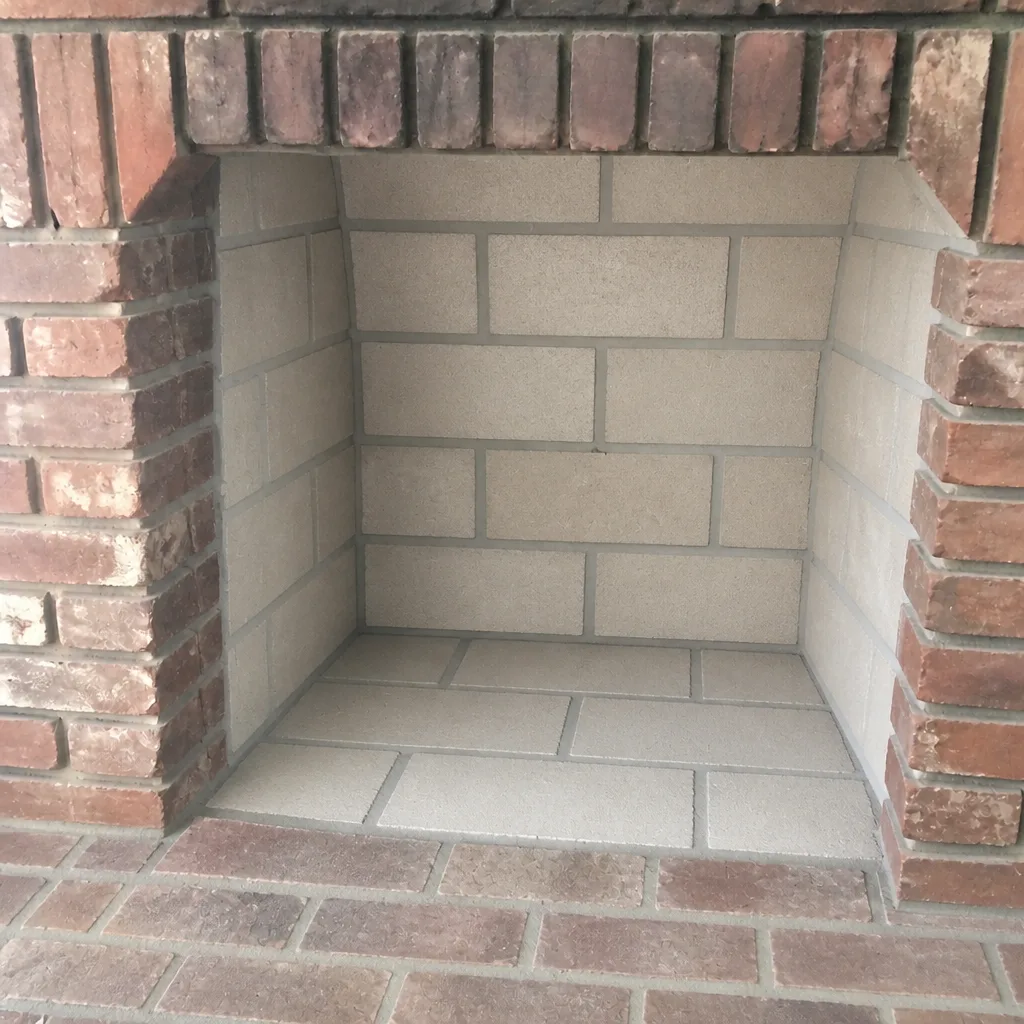
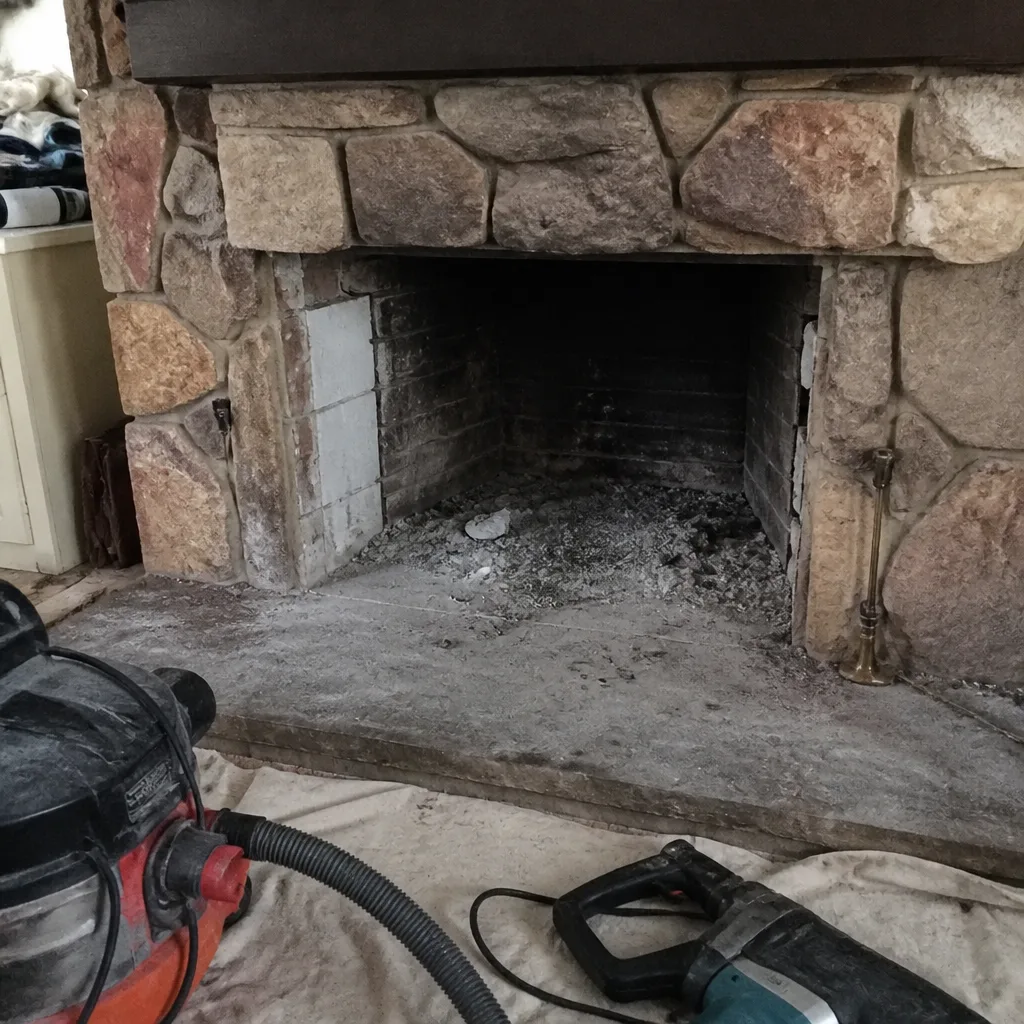
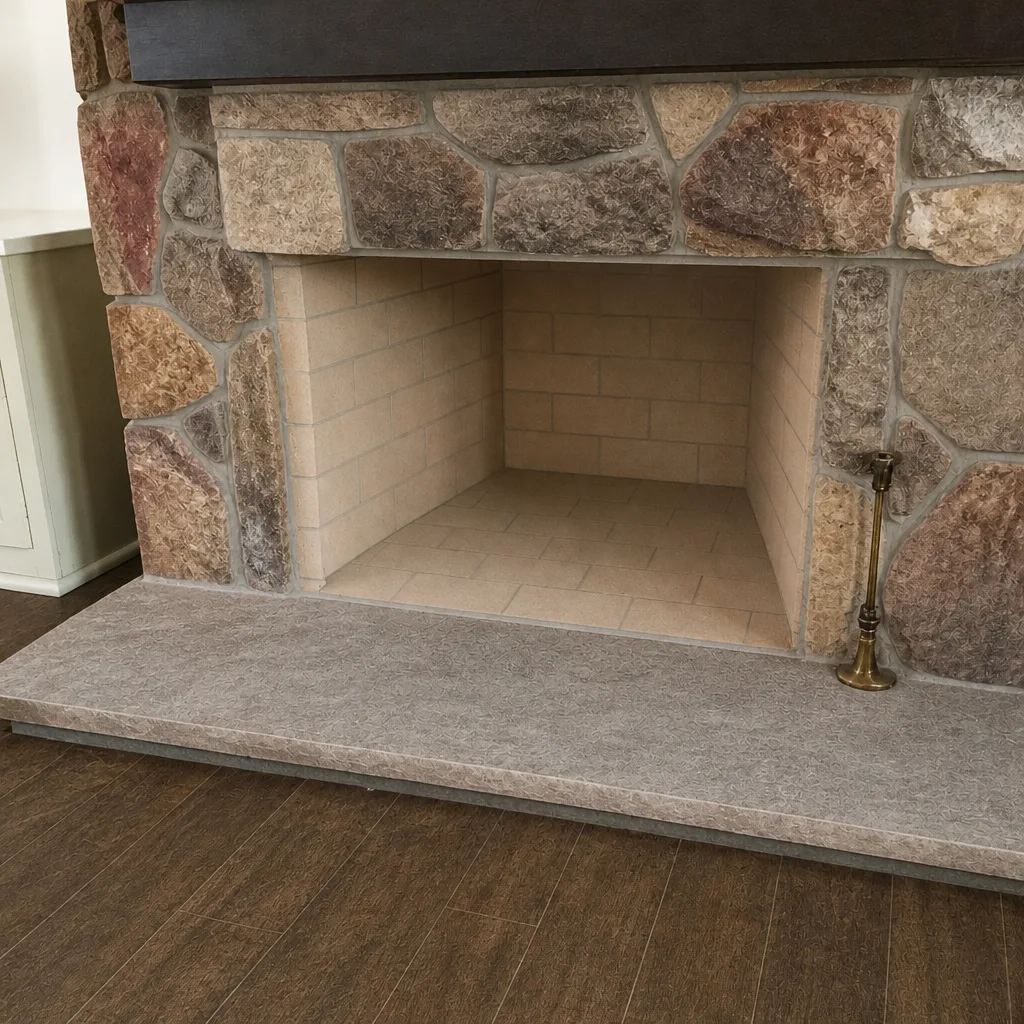
See the difference
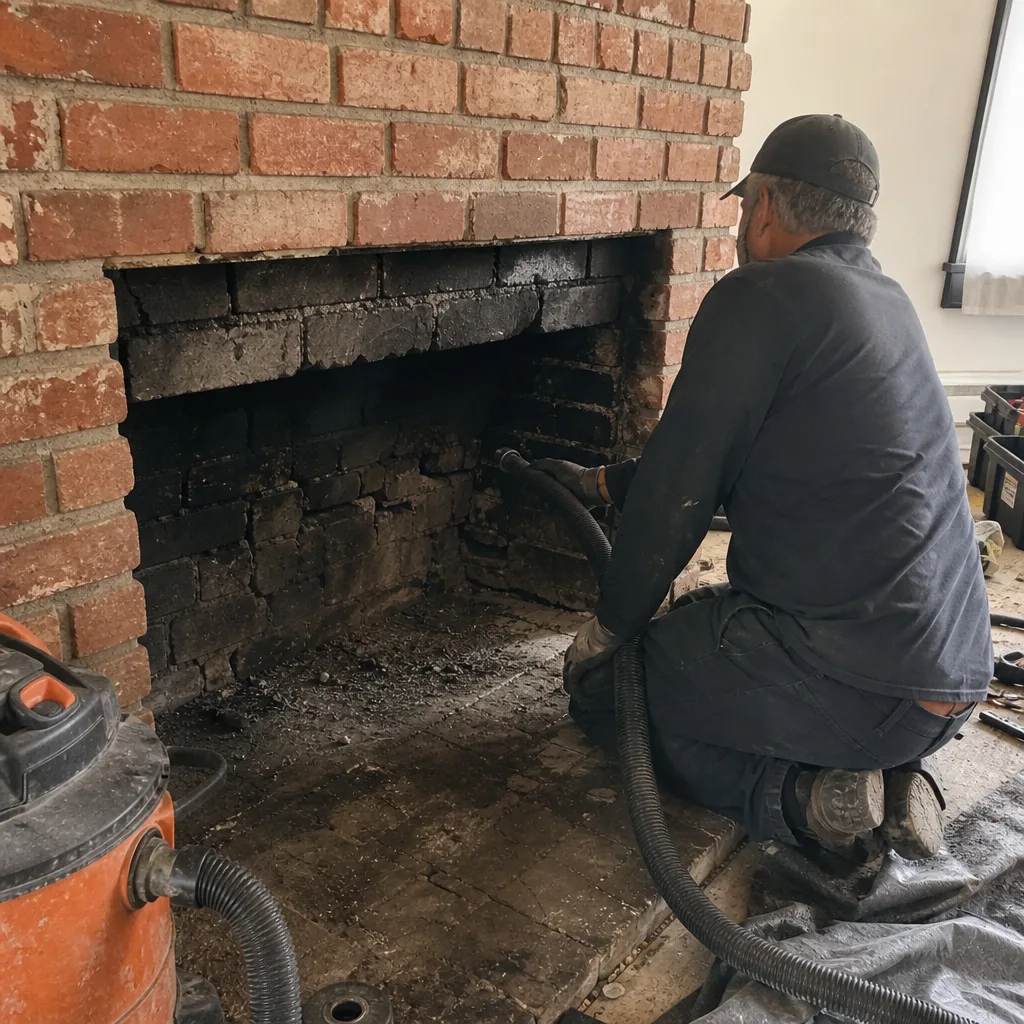 Before
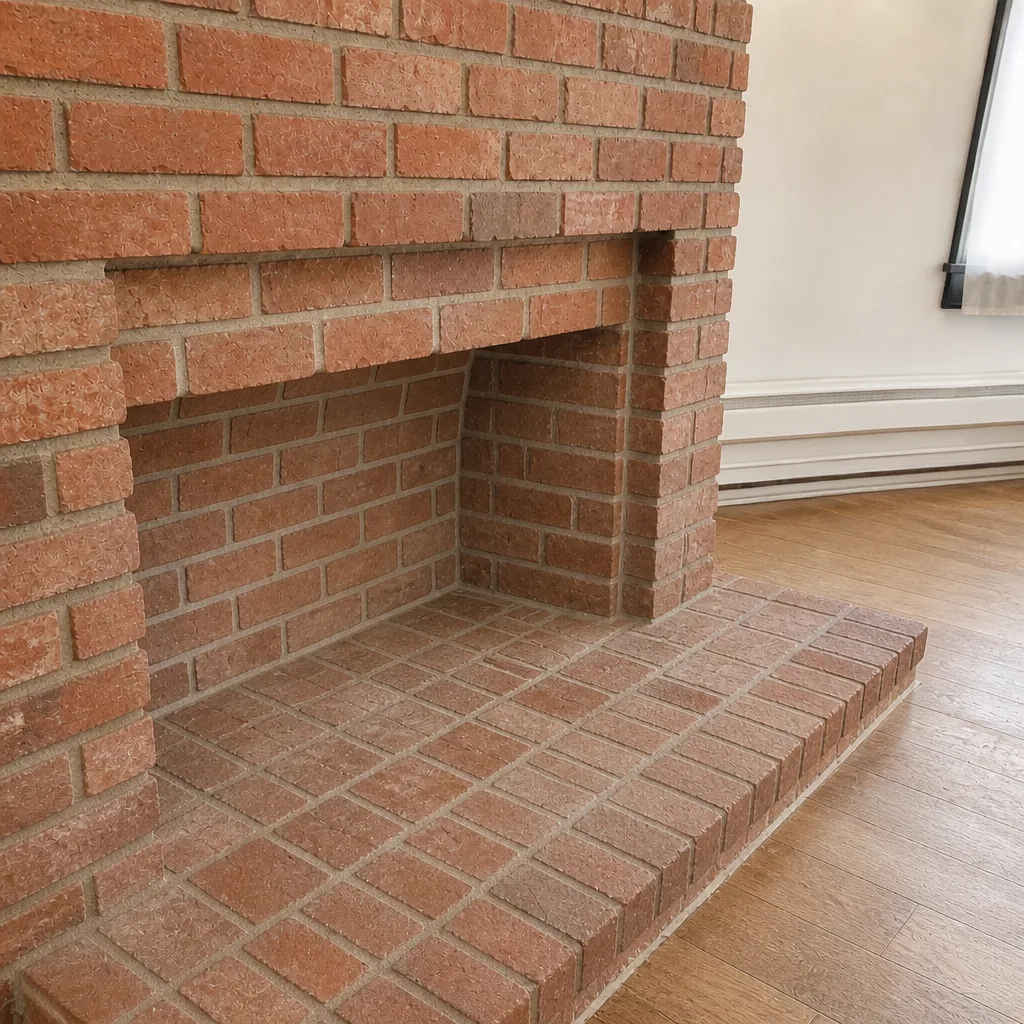 After
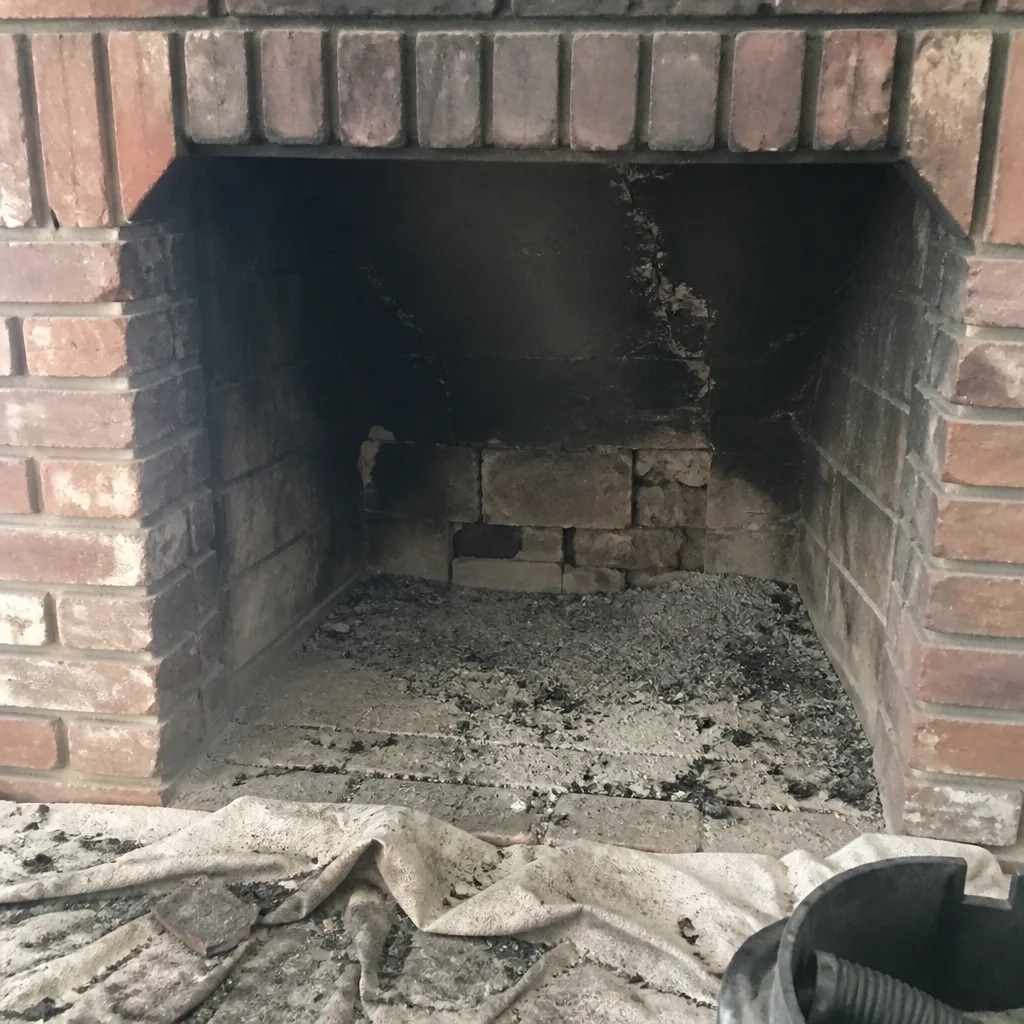 Before
 After
 Before
 After
When to Call a Professional
Some signs are things you can watch. Others are reasons to call before the next fire. Call us if you smell a strong tarry odor when the fireplace is idle, if you see white staining or crumbling mortar on the exterior, if smoke rolls back into the room instead of going up, if you notice water in the firebox after rain, or if you own an older Eagle Rock home and have never had the flue inspected with a camera. The last one alone is enough reason to book. And if a sign is caught early, you might get the good news that it can safely wait until after the season. Call (855) 506-8977 for an exact estimate, and we’ll tell you what we found and what it means. We answer 24/7. Fast dispatch from 7am to 7pm, Sunday through Friday, and we’re closed Saturday. Of course, the estimate is free and the price is set per job by the written estimate.
Frequently Asked Questions
The most common warning signs we see in Eagle Rock are idle-season fireplace odor, white or dark staining on the brick, crumbling mortar, and smoke rolling into the room. Each one points to a specific flue condition, from creosote buildup to moisture intrusion. If you notice any of them, a camera inspection is the only reliable way to know what’s happening inside the flue. Call (855) 506-8977 for an exact estimate.
A summer fireplace smell is usually creosote off-gassing or moisture, not leftover ash. On hot days, pressure differences between indoor air and flue air can push tarry creosote compounds back into the living space, which is why the smell is strongest in summer. If the smell is musty rather than tarry, moisture is the more likely cause and the crown or cap is where to look. Call (855) 506-8977 for an exact quote, and estimates are free.
A wood-burning chimney should be swept and inspected once a year, ideally before the burning season starts. If you burn frequently or use unseasoned wood, the flue may need attention sooner. Because Eagle Rock’s winters are mild and the fire season is long, late summer is the practical time to book, so any issues found can be repaired before the first fire. Call (855) 506-8977 for an exact estimate.
White staining on the brick is usually efflorescence, salt deposits left behind as water moves through the masonry and evaporates. It’s the visible sign of moisture intrusion, not hard water, and it typically points to a failing crown, an uncapped flue, or open mortar joints somewhere up top. The staining itself is harmless, but the water path feeding it can cause real damage over time. Call (855) 506-8977 for an exact quote.
No, good draft doesn’t prove the flue is safe. Draft measures airflow and combustion, while structural integrity is about whether the flue tiles and mortar are intact, and a cracked flue can draw perfectly well. Seismic micro-movement here in Eagle Rock can leave hairline tile fractures that only a camera reveals. A strong draw can coexist with a structural problem that needs attention. Call (855) 506-8977 for an exact quote, and estimates are free.
A camera inspection should always accompany a cleaning, especially on an older home. The brush clears creosote, but the camera is what checks the flue tiles behind the buildup for fractures and deterioration that aren’t visible from the firebox. It’s the only way to know if a clean flue is also a sound one. Call (855) 506-8977 for an exact estimate and we’ll walk you through what we find.
The Bottom Line
Most of the serious chimney conditions in Eagle Rock homes announce themselves from inside the living room long before they become structural. The trouble is that homeowners consistently misread the signal: odor blamed on old wood, staining blamed on hard water, flaking read as surface wear. Learn to interpret the smell, walk the exterior for white staining and crumbling mortar, and remember that good draft says nothing about flue integrity. The camera is what separates a clean chimney from a safe one, and in a city where the ground moves quietly under every masonry stack, that check matters. If any sign in this guide sounds familiar, it’s worth an inspection, and we’re here to show you what we find and tell you plainly what it means.
Contact Chimney Sweep Eagle Rock to book an inspection or a sweep in Eagle Rock. Call (855) 506-8977 for a free estimate. We answer 24/7. Fast dispatch from 7am to 7pm, Sunday through Friday, and we’re closed Saturday. Our team handles the cleaning, inspection, cap and crown work, fireplace repair, and chimney repair that these warning signs point to, all in one place. From a routine sweep to a full liner restoration, the same team handles it start to finish.
Written by the team at Chimney Sweep Eagle Rock.