
Last updated November 22, 2026
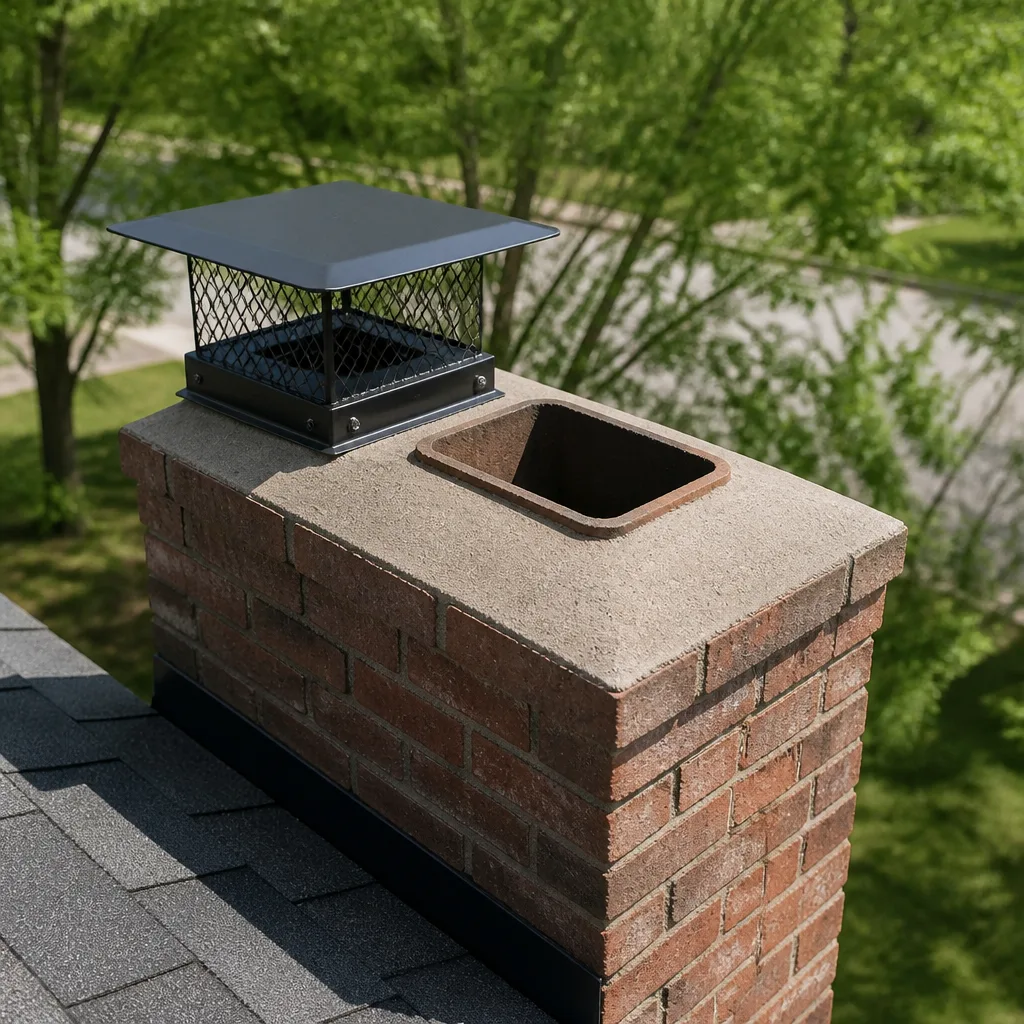 Sweep & inspection
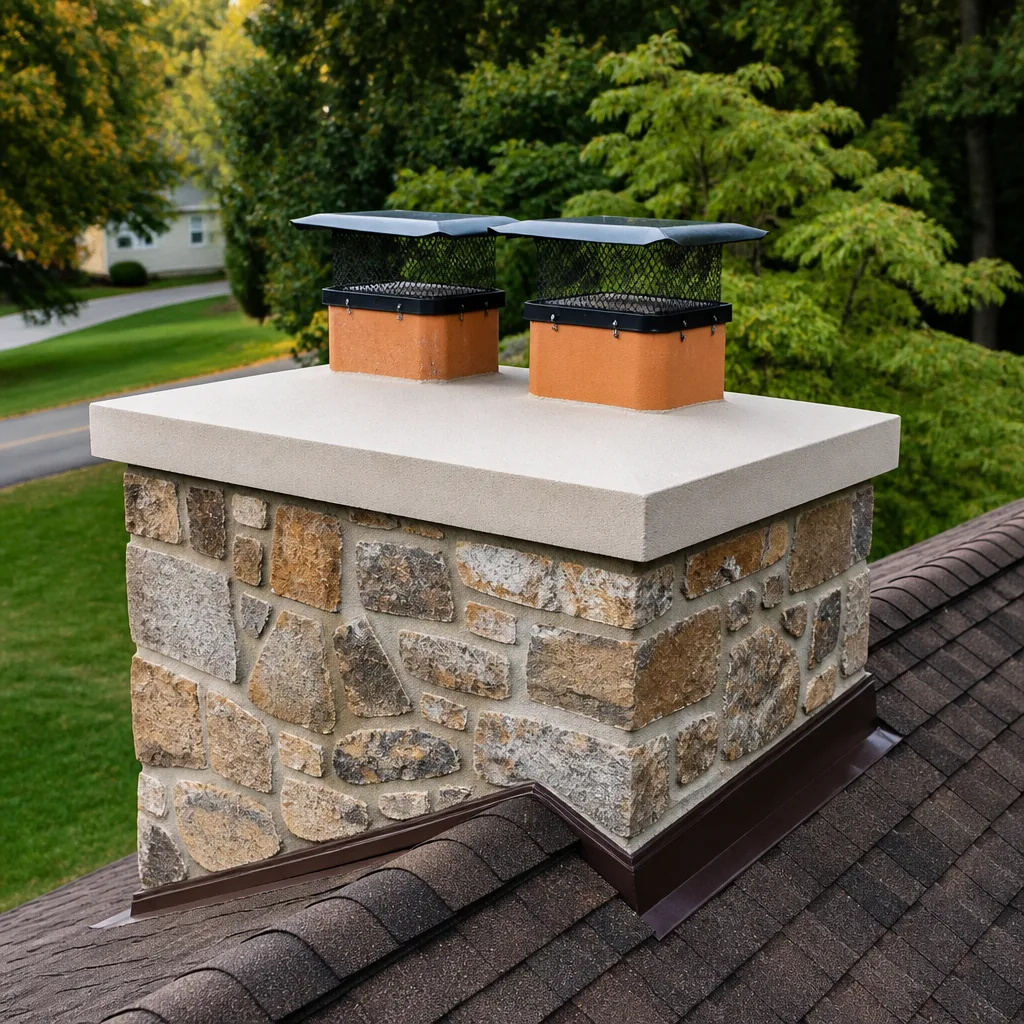 Caps & crowns
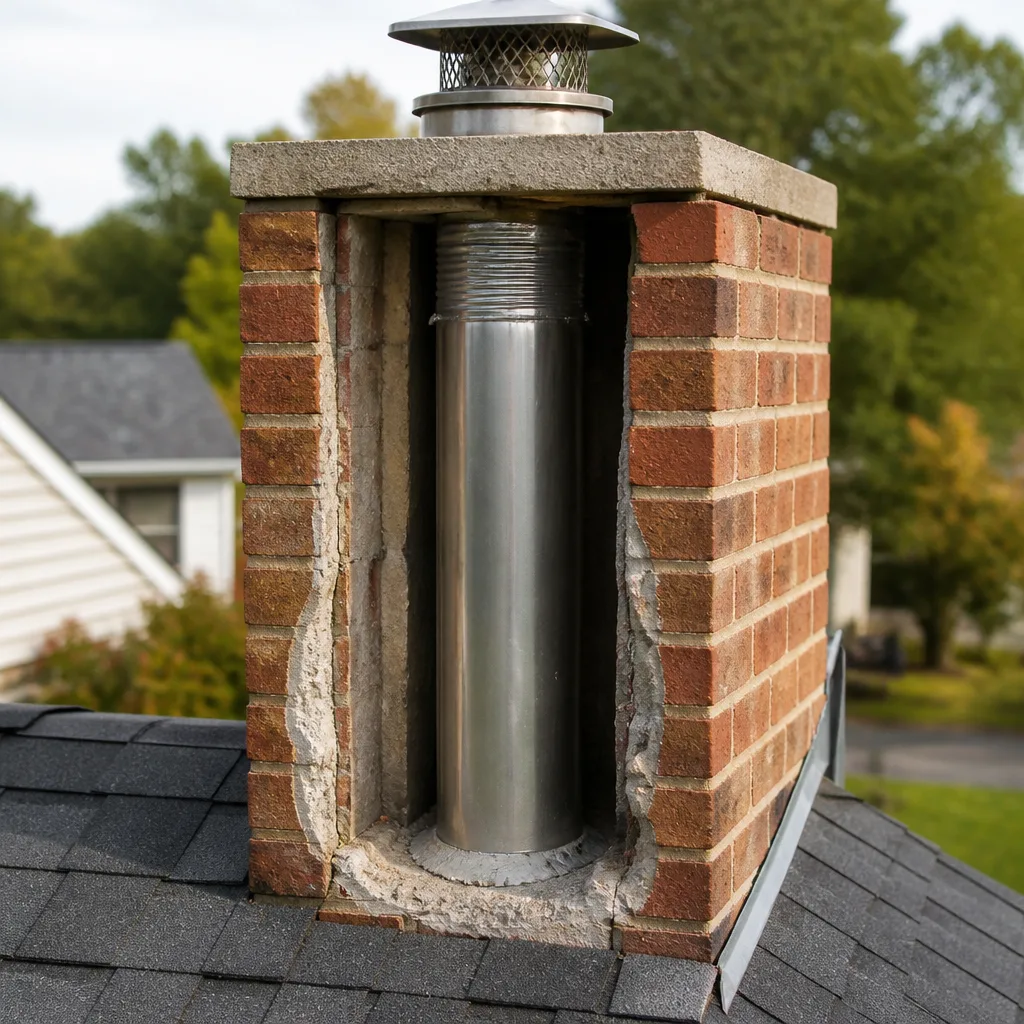 Flue relining
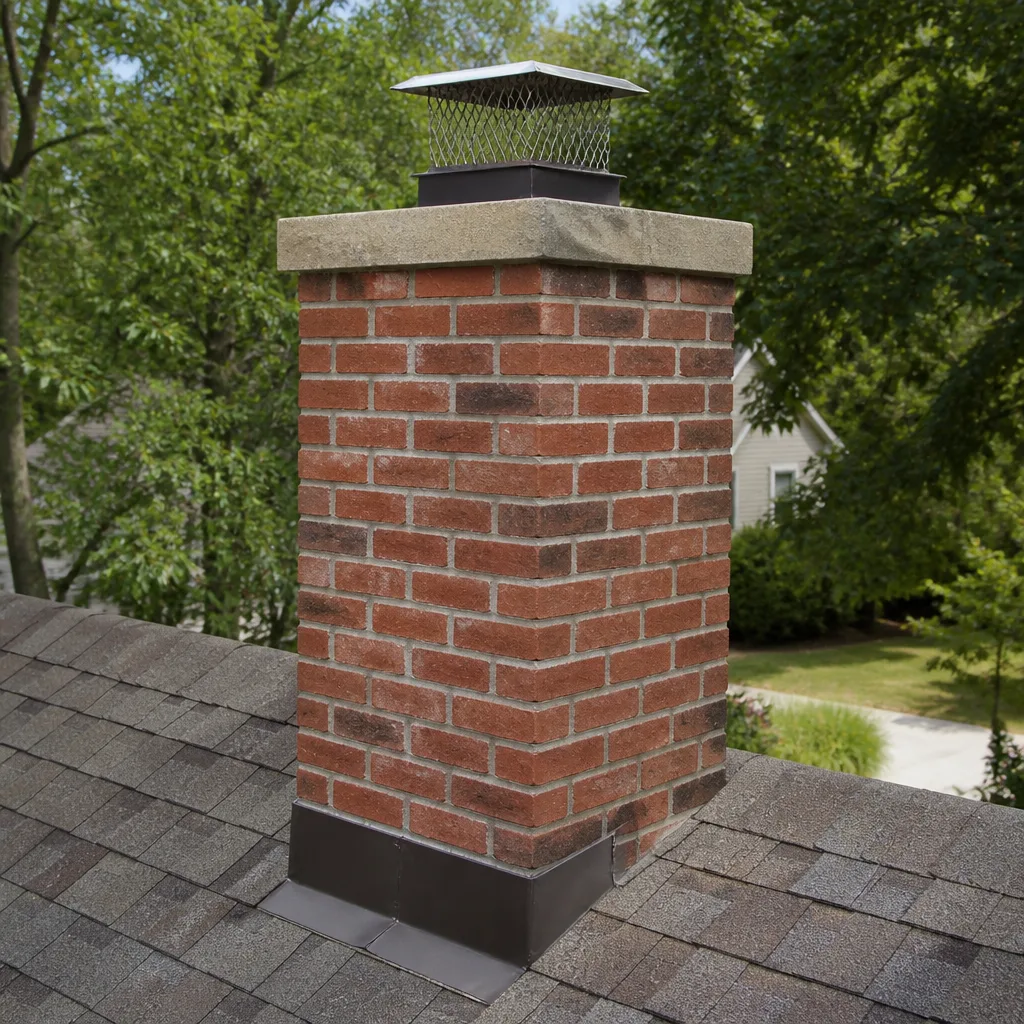 Masonry repair
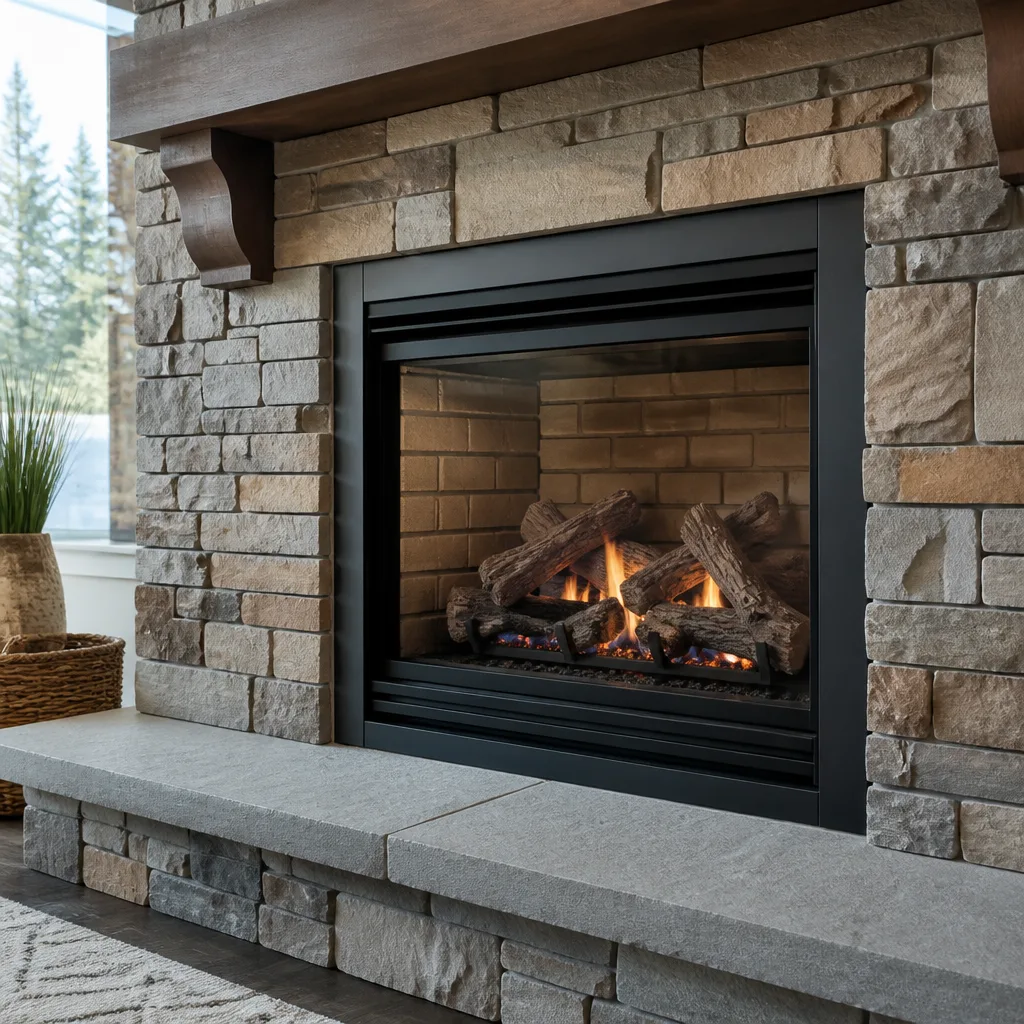 Gas fireplace service
Level 1 sweep and inspection to the NFPA 211 annual standard - flue, crown, cap, and flashing checked and photographed
Chimney sweep logs do not sweep chimneys. They loosen some creosote - which then falls where a brush and vacuum still have to collect it.
Chimney Sweep Troubleshooting in Eagle Rock: Common Problems and How to Fix Them
A smoky living room gets called a “chimney problem,” but that label hides at least six distinct failure points inside the same flue system. Treat the wrong one and you pay for a sweep that doesn’t stop the smoke, while the actual hazard keeps sitting in the masonry. The same is true of a faint creosote smell in August or a fire that refuses to draw on a cool evening in Eagle Rock. Each symptom points to its own mechanical cause, and each cause has its own fix. This guide maps the symptoms you’re noticing to the structural and debris-related sources most likely to produce them, so you know what you’re dealing with before anyone shows up at the door.
Quick Answer
Most chimney problems in Eagle Rock trace to one of four causes: a blockage (creosote, nests, debris), a draft failure (negative pressure, offset flue, short stack), a damaged liner, or water intrusion at the crown and cap. Backdraft, smoke spillage, and odor intrusion are three separate diagnoses with three separate fixes, and a camera inspection is what separates them. A sweep alone rarely resolves a draw problem caused by liner damage or pressure imbalance.
Styles & brands we work with
- Sweep & inspection
- Caps & crowns
- Flue relining
- Masonry repair
- Gas fireplace service
Table of Contents
- Symptom-to-Cause Map: What Your Chimney Is Telling You
- Backdraft, Smoke Spillage, and Odor: Three Different Problems
- How Eagle Rock’s Climate Shapes the Creosote in Your Flue
- What You Can Safely Check Yourself (and What You Can’t)
- Why a Clean Sweep Sometimes Doesn’t Fix the Draw
- Red Flags That Mean Stop Using the Fireplace Now
- Issues That Can Safely Wait for a Scheduled Appointment
- Repair Options: Liners, Crowns, and What Each One Solves
Symptom-to-Cause Map: What Your Chimney Is Telling You
Start with the symptom, not the solution. A homeowner who calls and says “my chimney is broken” gives a technician nothing to work with. A homeowner who says “smoke rolls out the top of the firebox every time I open the glass doors, but only on windy days” has already narrowed the diagnosis to a pressure or termination problem. That distinction saves time and money.
Here’s how the most common complaints map to their likely sources:
- Smoke enters the room when you light the fire. Usually a cold flue that hasn’t warmed yet, a partially closed damper, or negative pressure pulling air down the chimney. In tight, well-sealed homes this is common and often fixable without repair.
- Smoke spills only in certain wind conditions. Points to how the chimney terminates: too short, too close to a roofline or tree, or missing a proper cap. Wind eddies over the roof push air back down the flue.
- Weak, lazy fire that smolders. Restricted air supply, a partially blocked flue, or a flue that’s oversized for the fireplace opening.
- Creosote or soot smell in warm weather. Often pressure-related. The chimney is pulling air down instead of pushing it up, especially with air conditioning running and windows closed.
- Water stains on the firebox walls or smoke chamber. A failing crown, a missing or damaged cap, or cracked masonry letting moisture in from the top.
- Visible debris, nests, or a fallen liner tile at the damper. Direct blockage. This one has a clear answer.
There’s a reason we treat symptom-mapping as the first step on any chimney sweep visit in Eagle Rock. Getting the category right before touching a brush keeps us from cleaning a flue that needs a camera inspection first, and keeps you from paying for the wrong service.
Backdraft, Smoke Spillage, and Odor: Three Different Problems
These three get lumped together constantly, and they shouldn’t be. Each has its own mechanism and its own remedy.
Backdraft
Backdraft means air is moving the wrong direction through the entire flue: down instead of up. The chimney is acting as an air intake because pressure inside the house is lower than pressure outside. Tight modern construction, exhaust fans, kitchen range hoods, and clothes dryers all pull air out of the house. If the house is sealed well enough that makeup air has nowhere to come from, it comes down the chimney. The firebox then spills smoke because the flue has no upward flow to carry it. Fix the pressure balance and the fire starts drawing correctly.
Smoke Spillage
Smoke spillage is different: the flue draws, but not fast enough near the firebox opening. The chimney is trying, but something between the fire and the top of the stack is slowing it down. Common causes are a flue that’s too short, an offset or bend in the flue that creates turbulence, a partially blocked flue, or a firebox opening that’s oversized relative to the flue’s cross-section. This is a sizing and geometry problem. Cleaning won’t fix it. Camera inspection and a check of the flue-to-opening ratio will.
Odor Intrusion
Creosote and soot carry smell even when dry, and warm weather makes it worse if the chimney is pushing air down. Odor problems in Eagle Rock peak in summer, when the house runs closed and air conditioned, and the chimney becomes the path of least resistance for air movement. Sometimes a deep cleaning removes enough creosote residue to end the smell. Often it doesn’t, because the pressure imbalance driving the air movement is still there. The fix is a combination of cleaning plus correcting the flue’s termination or adding a proper top-sealing cap.
If you’re not sure which of these three you’re dealing with, that’s expected. Distinguishing them takes a camera and a check of how the flue terminates. That’s exactly what our inspection includes.
How Eagle Rock’s Climate Shapes the Creosote in Your Flue
Creosote builds in every chimney that burns wood, but the type that forms depends heavily on how the fire burns and how the chimney handles moisture. Eagle Rock’s mild Mediterranean climate produces a different creosote profile than what you’d find in a cold-winter climate, and it changes how we approach removal.
In deep-winter climates, homeowners tend to burn hot, steady fires for long stretches because they need the heat. In a mild climate like Eagle Rock’s, fires often run shorter and cooler, and the fireplace gets used intermittently. Cool, slow, smoldering fires produce more incomplete combustion, and incomplete combustion is what deposits the harder grades of creosote.
- Stage 1 creosote is flaky, soot-like, and easy to remove with a standard brush. Most annual sweeps handle this without effort.
- Stage 2 creosote is a hard, crusty layer that requires more aggressive brush work. It’s also the layer that most often signals the fire isn’t getting enough air.
- Stage 3 creosote is glazed, shiny, and dense. It looks almost like black glass on the flue walls. It’s known for being difficult to remove, and heating it repeatedly is what sets the conditions for a chimney fire. Glazed creosote cannot be brushed off with a standard sweep and often requires chemical treatment over time or liner replacement.
Glazed Stage 3 creosote in a mild climate like Eagle Rock’s tends to build on the flue walls where the chimney stays cool between fires and where moisture from outside creeps in through a failing crown. That’s why we treat crown and cap condition as a creosote question, not just a water-damage question. A properly fitted chimney cap & crown system, built with products from brands like Gelco or Olympia Chimney, keeps the flue dry and reduces the wet, glazed buildup that otherwise takes a full liner restoration to undo.
What You Can Safely Check Yourself (and What You Can’t)
Some of a chimney’s condition is visible to a careful homeowner without climbing anything. Other parts require eyes up the flue. Knowing which is which keeps you safe and helps you describe the problem accurately when you call.
Safe to look at from the firebox
- The damper. Open the fireplace doors (if you have them), look up, and confirm the damper plate opens fully and isn’t blocked by a fallen tile or soot buildup. This is a common cause of weak draw.
- The firebox walls. Look for cracks in the brick, loose mortar joints, and any signs of rust on the damper frame.
- Visible obstruction. With a flashlight, look up past the damper for anything obviously blocking the flue: a bird nest, a collapsed piece of liner, or heavy creosote flaking off.
- The exterior top of the chimney from the ground. Use binoculars if you can. Look at the cap condition: missing, rusted out, or caved in? Look at the crown: cracked, chipped, or eroded? Note whether the top of the chimney is intact.
Not safe to check yourself
- The interior flue walls. These need a camera run to the top. From the firebox you can see the bottom few feet at best.
- The smoke chamber. This is the sloped section above the damper, and it’s where creosote buildup matters most. You can’t see it from below.
- Anything that requires going on the roof. Falls are the real hazard here, not the chimney. We use proper fall protection.
- Diagnosing creosote stage. This is done with a camera and a physical check. From below, Stage 2 and Stage 3 can look similar.
Our technicians have up to 14 years of experience reading what those camera feeds tell us. The most useful thing you can do at home is note the symptom and its conditions: wind direction, temperature, how long the fire has been burning, whether the house was sealed tight. That combination narrows the diagnosis faster than anything else.
Why a Clean Sweep Sometimes Doesn’t Fix the Draw
This is the part that surprises homeowners most. A chimney can be swept spotless and still smoke into the room. That’s because a sweep addresses blockage, and draw problems are not always about blockage. Here’s what a clean flue can’t fix:
- A damaged or cracked liner. If flue tiles have cracked, the chimney loses its designed cross-section and gains turbulence. A clean but broken liner may still draw poorly, and it may also allow heat, creosote, and combustion gases into the structure surrounding the flue. This is a liner restoration question, not a cleaning one.
- An offset flue. Many mid-century homes in Eagle Rock have chimneys that were built with a jog or offset in the flue to route around structural framing. Offsets create two zones: one where smoke accelerates, one where it stalls. The result is spillage near the firebox. The flue isn’t dirty. It’s shaped wrong for good flow.
- Negative air pressure. If your house is tight enough to need makeup air, no amount of cleaning will fix the backdraft. The flue is clean and still being used as an air intake by the house.
- An undersized or oversized flue. A flue whose cross-section is out of proportion to the fireplace opening draws poorly regardless of condition.
- A missing or improper cap. A cap that’s too short, too restrictive, or missing entirely can affect draft almost as much as a dirty flue. It can also cause odour and pressure problems simply by how air moves over it.
When we recommend liner restoration, it’s because a camera inspection showed cracked, spalled, or glazed flue walls that a sweep can’t correct. When we don’t, it’s because the flue is sound and the fix is somewhere else. That’s the difference between a sweep and a specialist.
Red Flags That Mean Stop Using the Fireplace Now
A chimney fire is a serious structural event, not an annoyance. Creosote is fuel, and if it ignites, temperatures inside the flue can rise to the point where masonry cracks, liners fail, and the surrounding framing is exposed to heat. Carbon monoxide risk is also real: a failed flue can let combustion gases back into the living space, and you may not notice until symptoms appear.
These conditions are not “monitor until the next appointment.” Stop burning and call a professional before you use the fireplace again:
- Visible warped or discolored metal on the damper, firebox, or chimney cap. This can indicate a past chimney fire.
- Puffy, honeycombed, or cracked masonry on the smoke chamber or firebox walls. These are signs of heat damage from a fire inside the flue.
- A rumbling or roaring sound from the chimney during a fire, or black smoke pouring from the top. Stop burning immediately and call the fire department if the fire is active.
- Visible cracks in the flue liner as seen from the firebox, or pieces of liner tile at the damper plate.
- A blocked flue confirmed at the damper. Combustion gases must go somewhere. If the flue is blocked, they go into the house.
- A serious backdraft that doesn’t resolve when you warm the flue. Smoke rolling into the room and refusing to stop is a hazard, not just a nuisance.
If any single one of these fits your situation, the fix is a camera inspection and a repair plan. We can work with your insurer on the parts of that plan that are insurable, and we’ll show you exactly what the camera found so you can see it yourself.
Issues That Can Safely Wait for a Scheduled Appointment
Not everything needs a same-day call. Being clear about what can wait helps you prioritize and avoids a rush you may not need.
- Annual sweep timing. If your fireplace worked fine last season and you’re just due for a cleaning, schedule it before burning season. It can wait for a normal appointment.
- Faint creosote smell in summer with no other symptoms. Worth an inspection but not an emergency.
- A crown with minor cosmetic cracks that haven’t caused interior staining. These worsen over time and should be checked, but they aren’t a fire hazard.
- A missing cap with no active water intrusion and no animal activity. Get it scheduled, but a few weeks’ wait isn’t dangerous.
- A single, small, stubborn hairline crack in the firebox with no heat damage elsewhere. Schedule a repair visit.
- Sporadic smoke on windy days when the fire otherwise burns fine. Note the wind direction and get it inspected.
The rule of thumb: anything that changes how the fire burns while it’s burning gets attention now. Anything that’s a water, weather, or wear issue can usually wait for a scheduled appointment.
Repair Options: Liners, Crowns, and What Each One Solves
Once a diagnosis is confirmed, the fix usually falls into one of a handful of categories. Knowing them helps you have a real conversation rather than being talked into a service you don’t understand.
Liner restoration
When flue tiles are cracked, spalled, or heavily glazed, a liner restoration can rebuild a continuous, smooth flue surface without tearing out the existing ceramic tiles. HeatShield is a restoration method that fills and resists the cracks that let heat and gases into the structure around the flue. It’s a real alternative to full liner replacement for the right kind of damage, and it’s not something every sweep can offer. We can, and we recommend it only when the camera evidence supports it.
Liner replacement
For a flue in worse condition, a new stainless liner is the fix. We work with professional-grade liner products from DuraFlex and Olympia Chimney. These are the materials the industry’s top manufacturers supply to certified professionals, and they’re specified for the type of appliance and flue geometry in your home. A liner replacement resolves both the structural integrity problem and the draw problem at the same time.
Cap and crown
A properly fitted chimney cap and crown are prevention, not decoration. A cap keeps out rain, birds, squirrels, and debris, and a crown directs water away from the masonry below it. We install cap and crown systems from Gelco and Famco, which are engineered products rather than improvised metal covers. A cap that actually fits the chimney’s dimensions and crown geometry is what turns a water problem around.
Fireplace repair
Damper repair, firebox brickwork, and mortar joints all fall here. If your firebox is crumbling, that’s what our fireplace repair service covers. It’s the same team that ran the inspection, so no second opinion is needed and no gap exists between “we found this” and “we can fix it.”
Because we work with these professional-grade lines under one roof, the diagnosis and the remedy are one conversation. That’s why we lead with Chimney Sweep Eagle Rock as a full chimney specialist rather than a generalist with a brush: a sweep-only service would have to refer you out for the liner, and the referral gap is where a real diagnosis gets lost.
Common Mistakes to Avoid
- Treating every smoke problem as a cleaning problem. Sweeping a flue with a cracked or offset liner leaves the real cause in place. In our experience, a third of “smoking chimney” calls are geometry or pressure issues, not debris.
- Burning wet or green wood because it’s what’s available. In Eagle Rock, a lot of wood sold in the region is not properly seasoned. Wet wood burns cool, produces more creosote, and accelerates Stage 3 buildup. Use seasoned wood and check for moisture before burning.
- Ignoring a missing cap because the chimney “still works.” A cap is what keeps rain, birds, and squirrels out. Rain gets into a flue and mixes with creosote to form the glazed buildup that requires liner restoration to remove.
- Running a kitchen hood or bath fan with the fireplace lit. In a tight home, those fans pull air out and the chimney becomes the replacement path. That’s backdraft, and it can be created by ordinary trips to the kitchen.
- Assuming a contractor who cleans can also restore. A cracked flue liner is a structural repair question. Make sure whoever inspects is the same crew that can perform the fix, not a referral to someone you’ve never met.
- Burning during a red flag warning or high-wind day. Eagle Rock sits in the foothills of the San Gabriel Mountains, and wind-driven embers are a real fire-spread risk if your cap is corroded or damaged. If the cap isn’t sound, don’t burn when the wind picks up.
- Skipping the inspection because the sweep looked clean. Cleaning and inspection are two distinct services. A clean flue can still have a cracked crown or a damaged cap that only the inspection catches.
See the difference
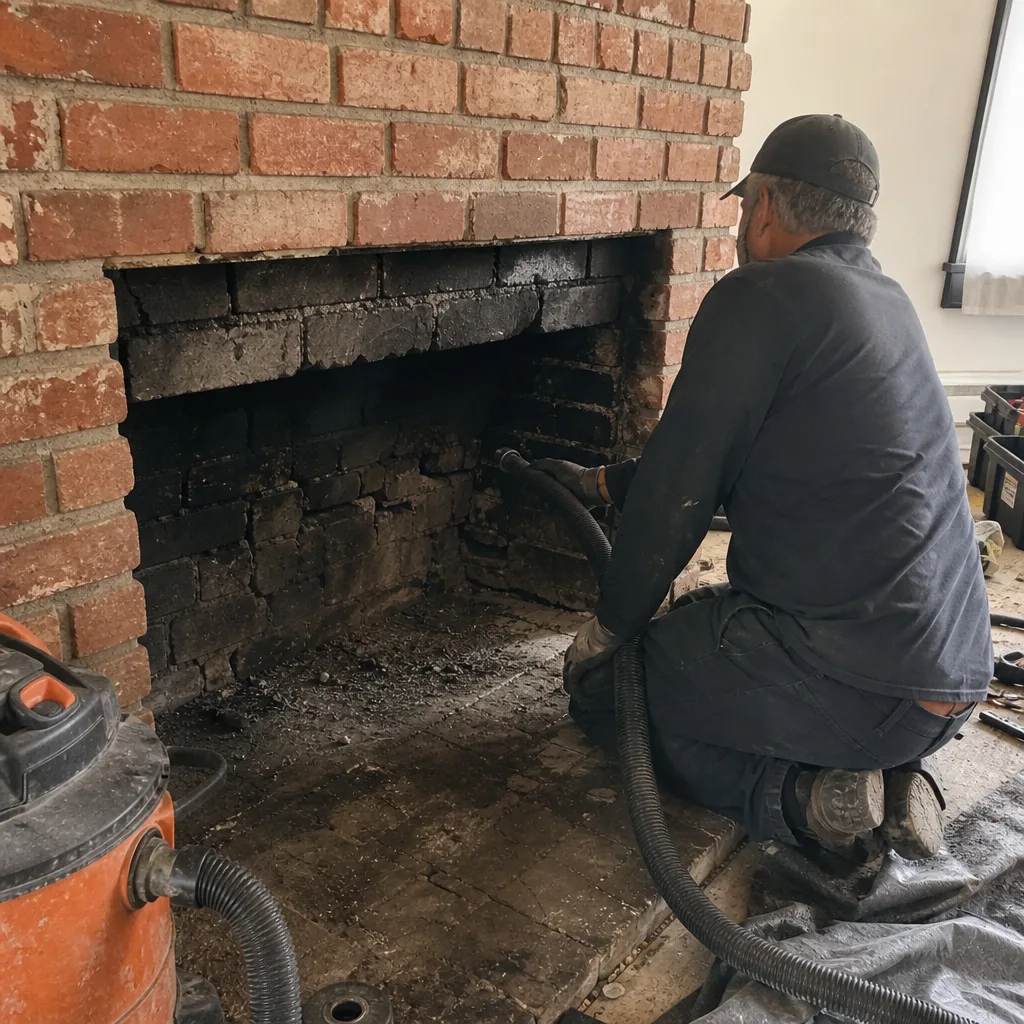 Before
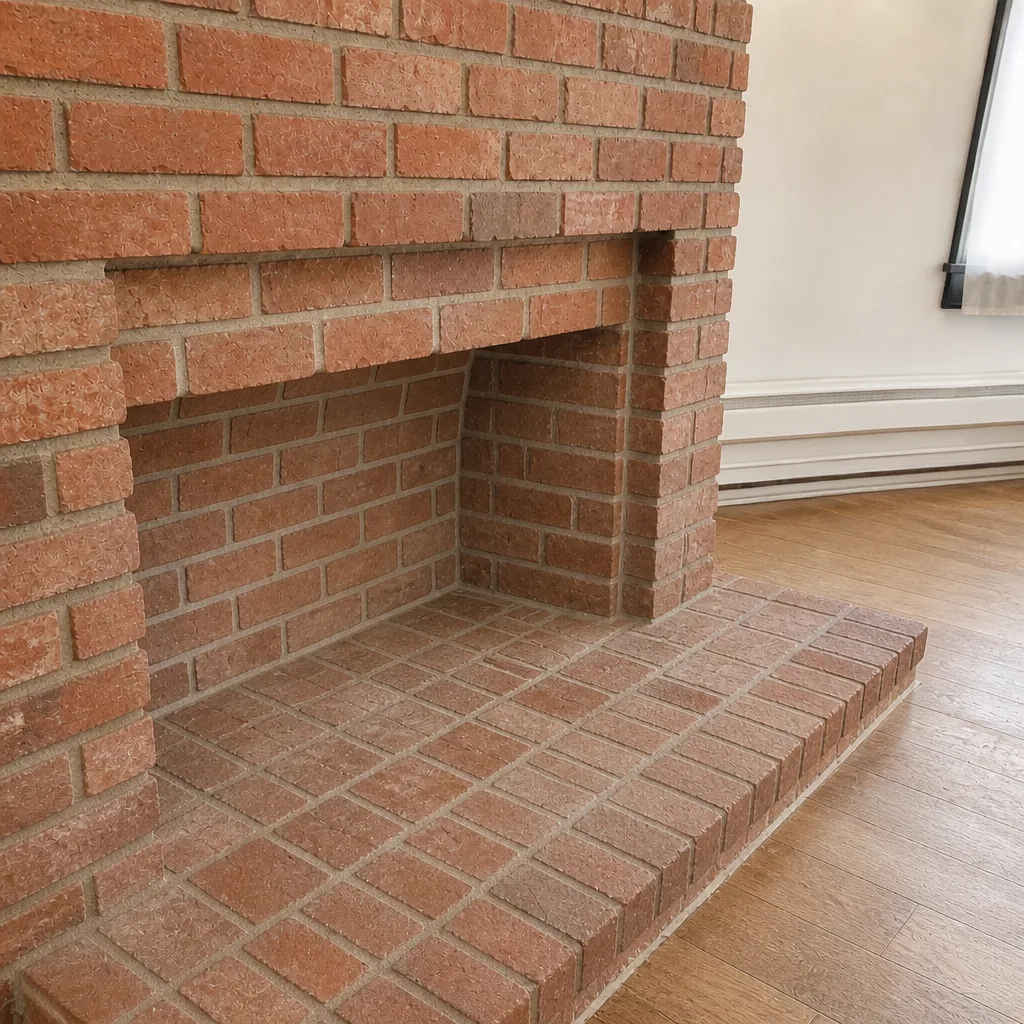 After
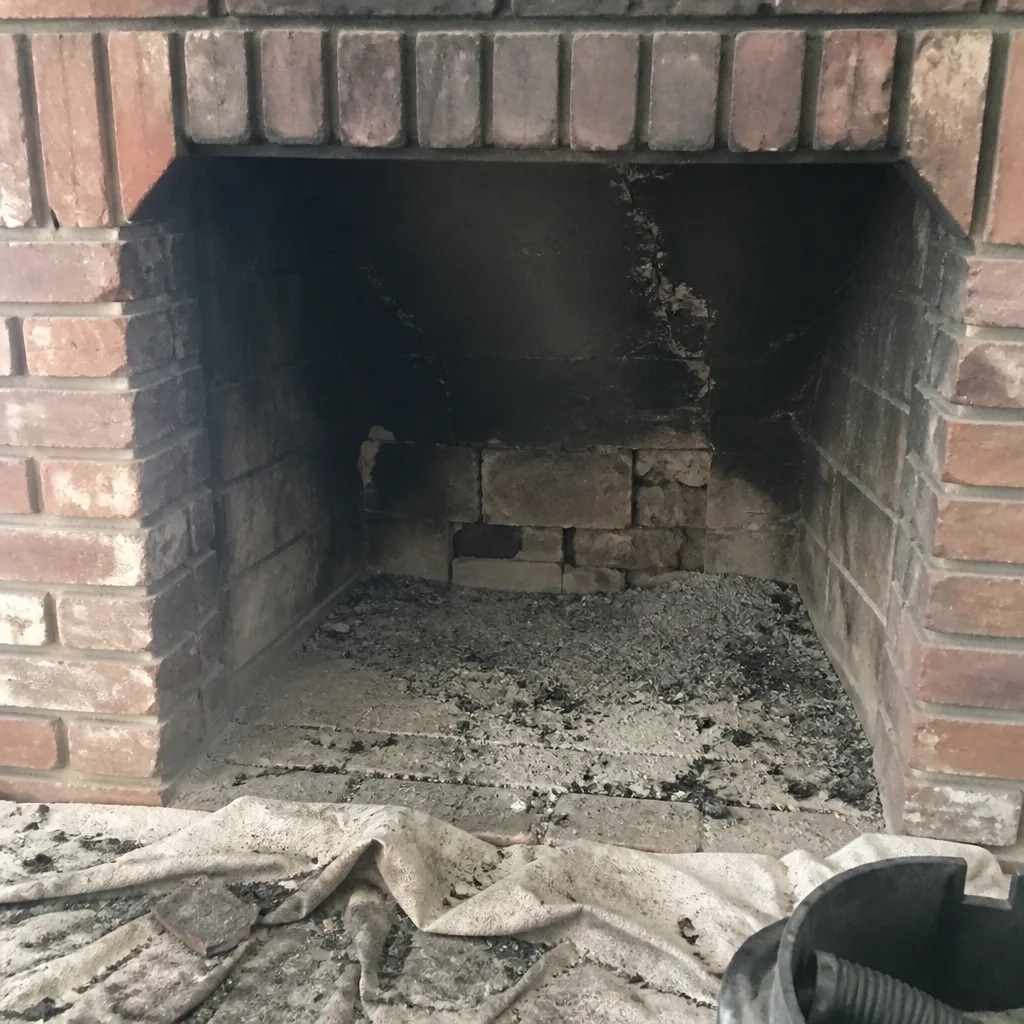 Before
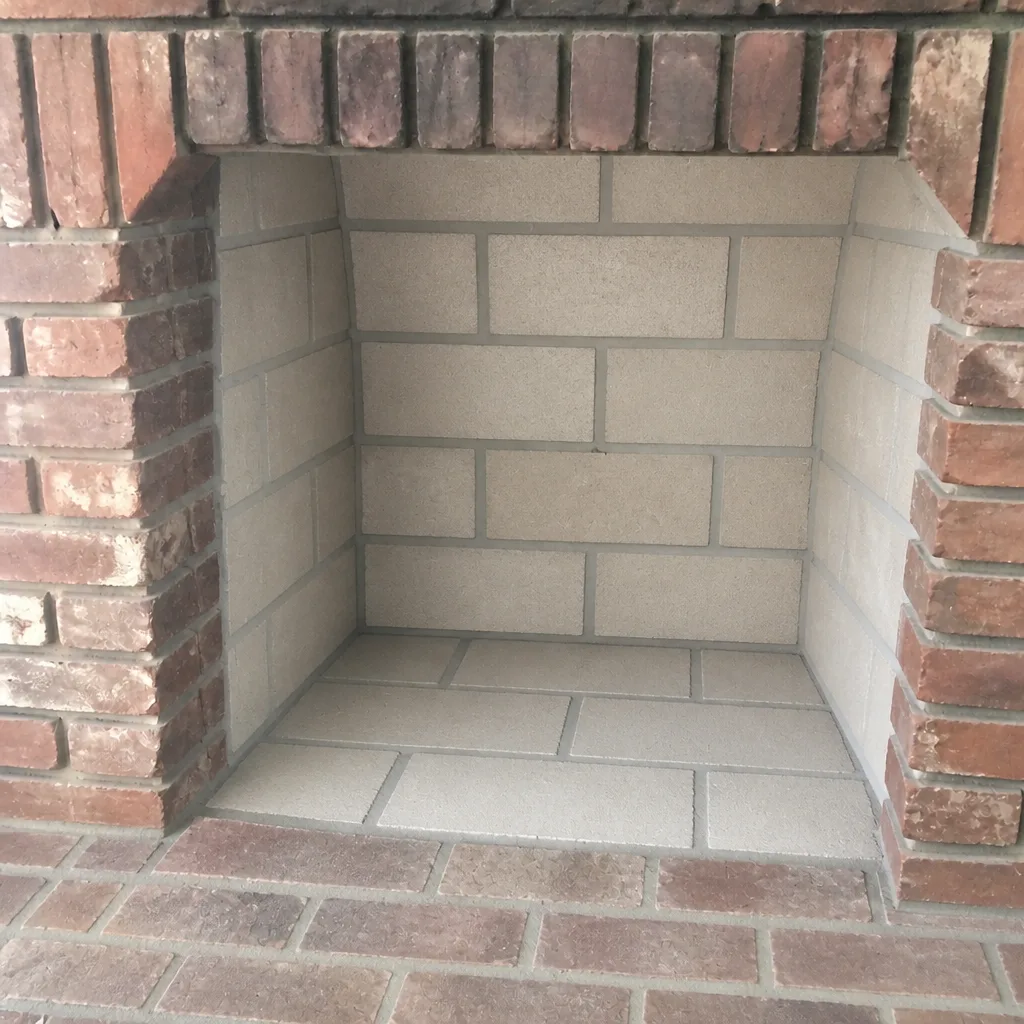 After
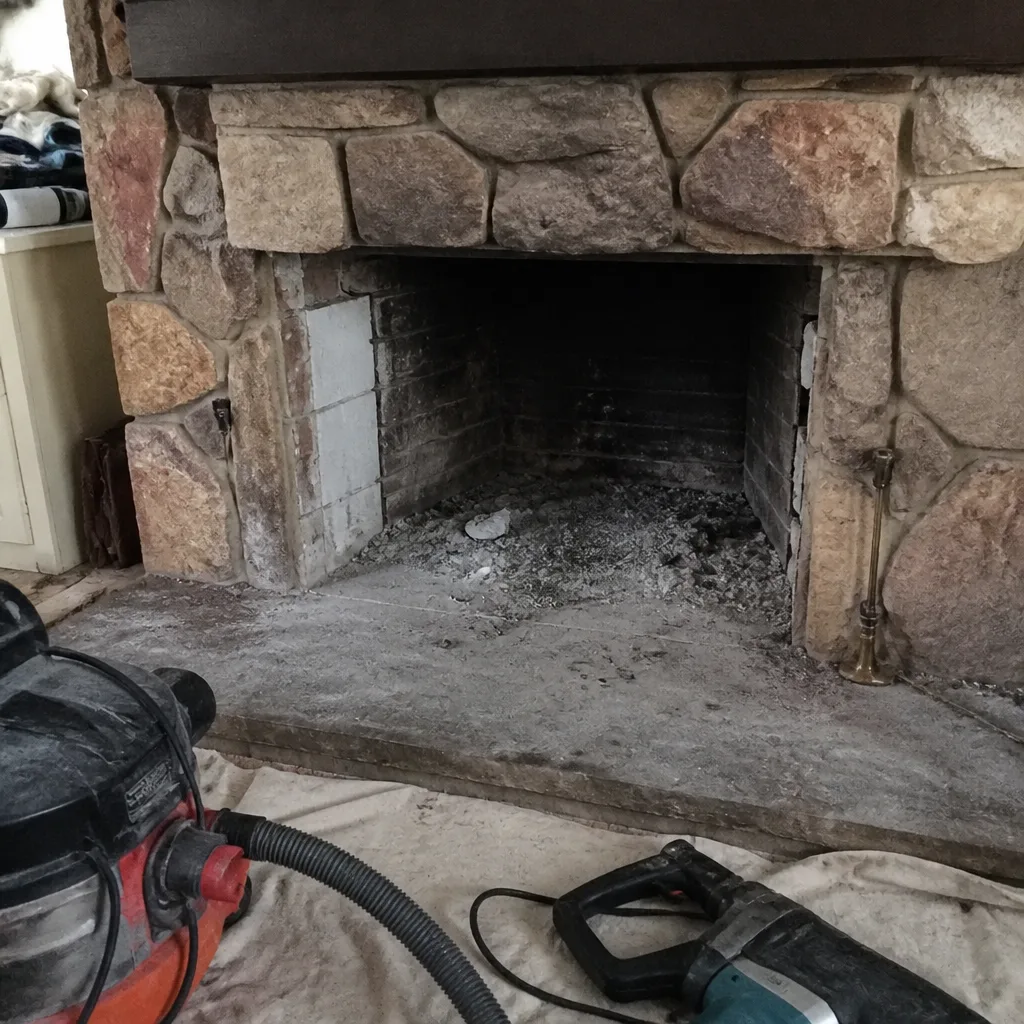 Before
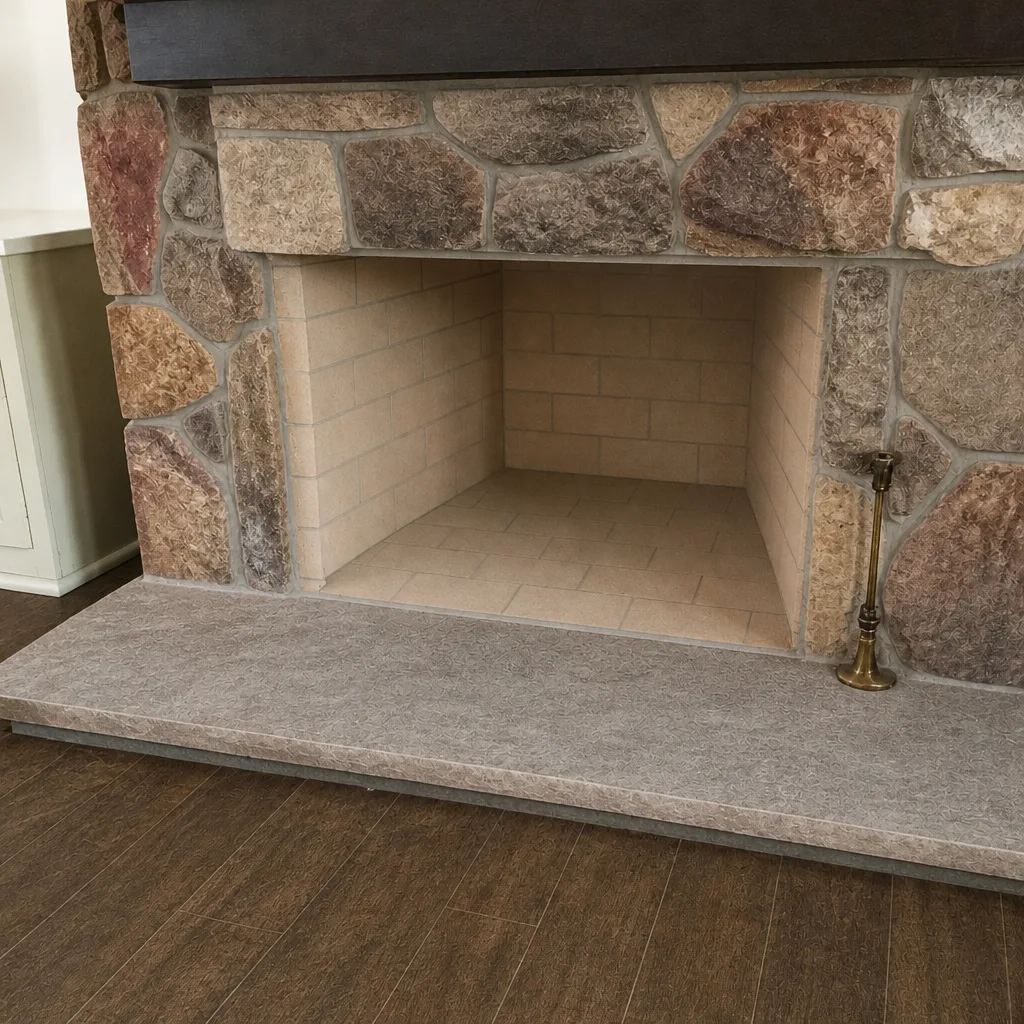 After
When to Call a Professional
Call a professional when the symptom is one you can’t safely observe, when it’s a red flag from the list above, or when you’ve had a sweep and the problem is still there. If you’ve never had an inspection in an Eagle Rock home you just bought, that’s the clearest reason to call: older homes often have flues that predate current safety expectations, and the camera will find what a visual check from the firebox can’t. If you’re simply overdue for a sweep before the burning season, the same visit covers the inspection and the cleaning. Chimney Sweep Eagle Rock offers free estimates in Eagle Rock. Call (855) 506-8977. We answer 24/7. Fast dispatch from 7am to 7pm, Sunday through Friday. We’ll tell you exactly what we found and exactly what it means, with the camera evidence in front of you.
Frequently Asked Questions
Backdraft from negative pressure and glazed creosote buildup from intermittent, cool fires are the two most common problems we see in Eagle Rock. Tightly sealed homes make backdraft more likely, and the mild climate means fires burn shorter and cooler, which favors harder creosote grades. Both are diagnosed with a camera inspection, and the right fix depends on what’s actually found.
A chimney used regularly should be inspected annually and swept when creosote reaches a meaningful depth on the flue walls.
Yes, in most cases, if there’s no other symptom like visible damage, a failed cap, or a blocked flue. The smell itself isn’t a fire hazard. It’s a sign the chimney is pulling air down and creosote residue is entering the living space. Schedule an inspection to confirm there’s nothing hiding behind the smell.
Most likely the cause is not debris. A clean flue that still smokes is usually dealing with a liner problem, an offset flue, a sizing mismatch, or negative pressure. These require inspection and repair rather than another sweep.
Yes, for any chimney without a sound cap and crown. Eagle Rock’s climate keeps mild year-round, but rain still gets into open flues and mixes with creosote, and animals will nest in an open chimney. A properly fitted cap and crown system keeps the flue dry and clear.
You can safely do a limited visual check from the firebox with a bright light, but you can’t inspect the flue, the smoke chamber, or the crown without professional equipment and roof access. The camera run is the part that tells you whether your flue is safe to use. That’s what our inspection provides, along with a photo report you can see.
The Bottom Line
Chimney troubleshooting starts with the symptom, not the solution. Backdraft, smoke spillage, and odor are three different diagnoses with three different fixes, and a sweep alone resolves only one of them. In Eagle Rock’s mild climate, glazed creosote and pressure-driven backdraft are the two problems most likely to go unnoticed until they cause trouble. Know the red flags that mean stop burning, note the symptoms that can wait for a scheduled visit, and get a camera inspection before anyone recommends a liner. The team that inspects is the team that repairs, and the fix should always match what the camera actually found.
Call (855) 506-8977 for a free estimate. We answer 24/7. Fast dispatch from 7am to 7pm, Sunday through Friday.
Written by the team at Chimney Sweep Eagle Rock.