
Last updated November 22, 2026
 Sweep & inspection
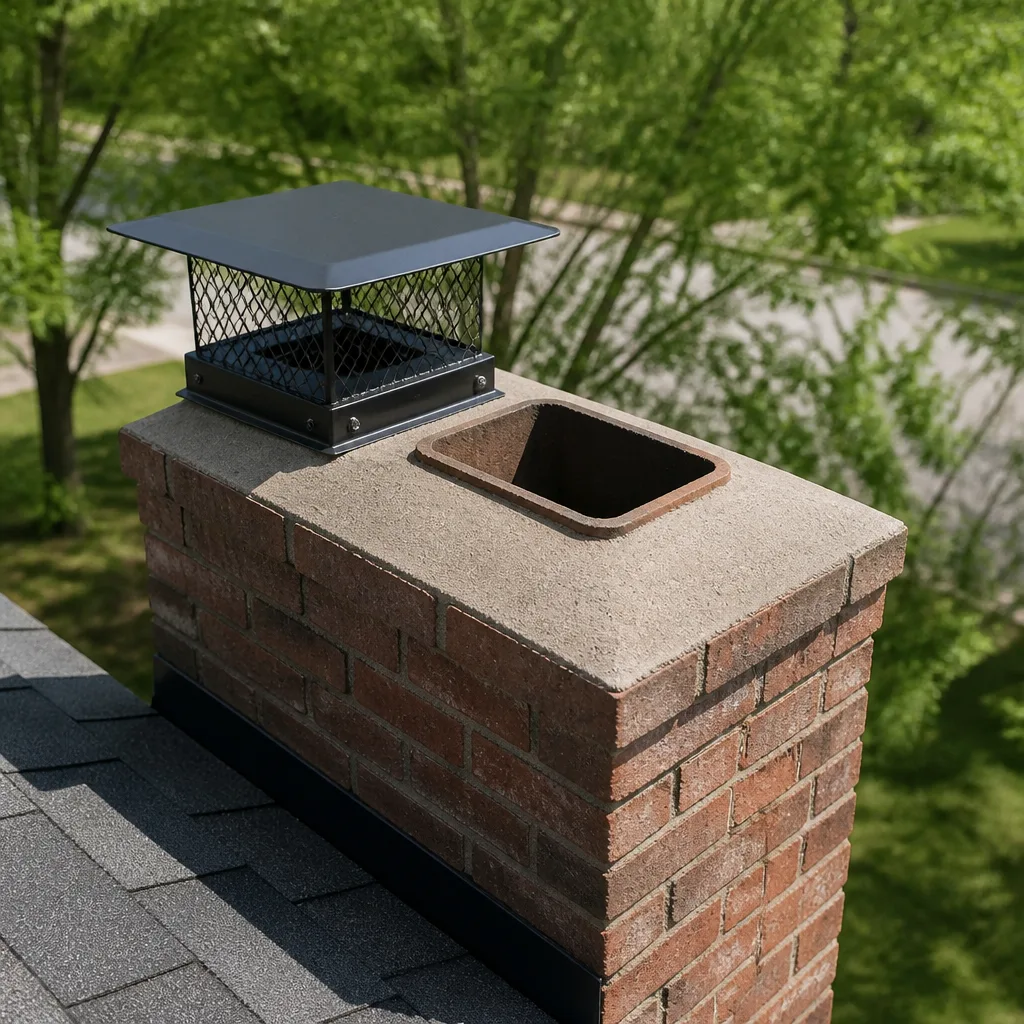
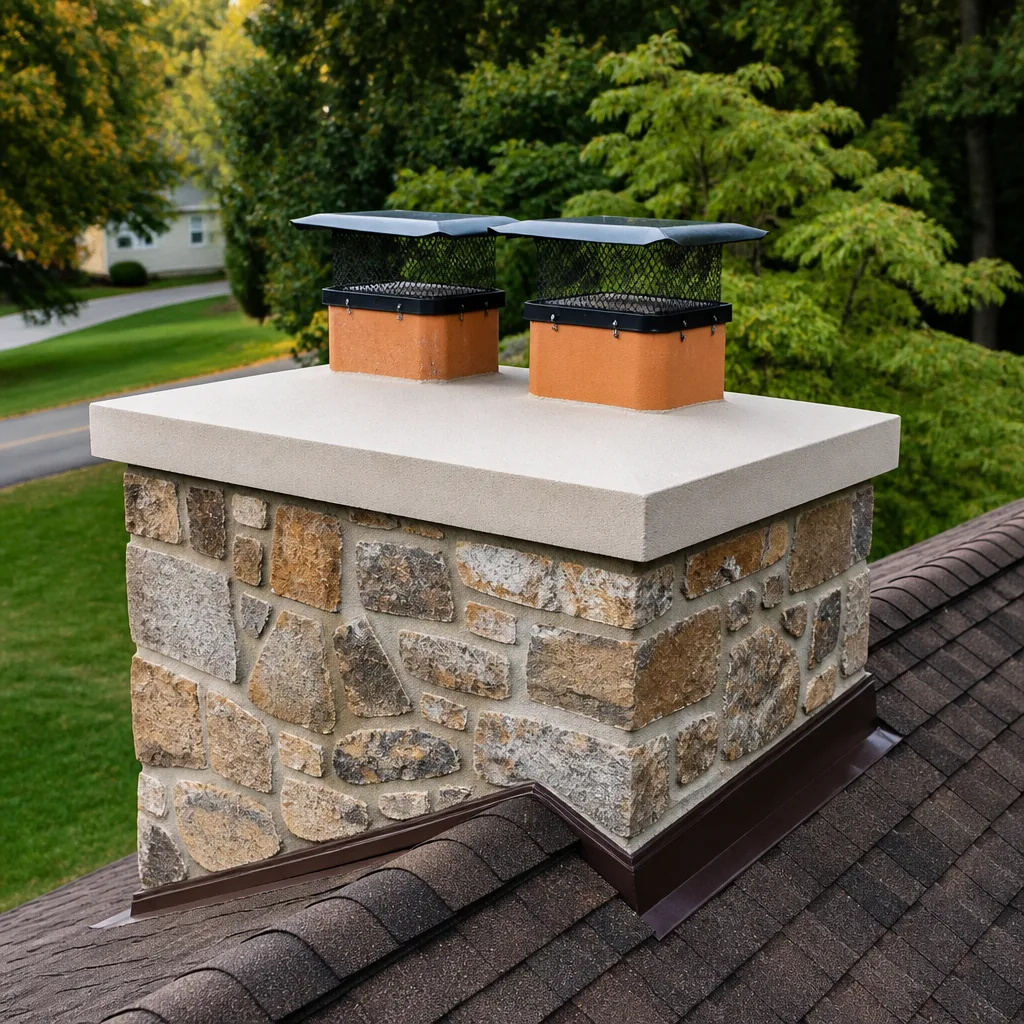 Caps & crowns
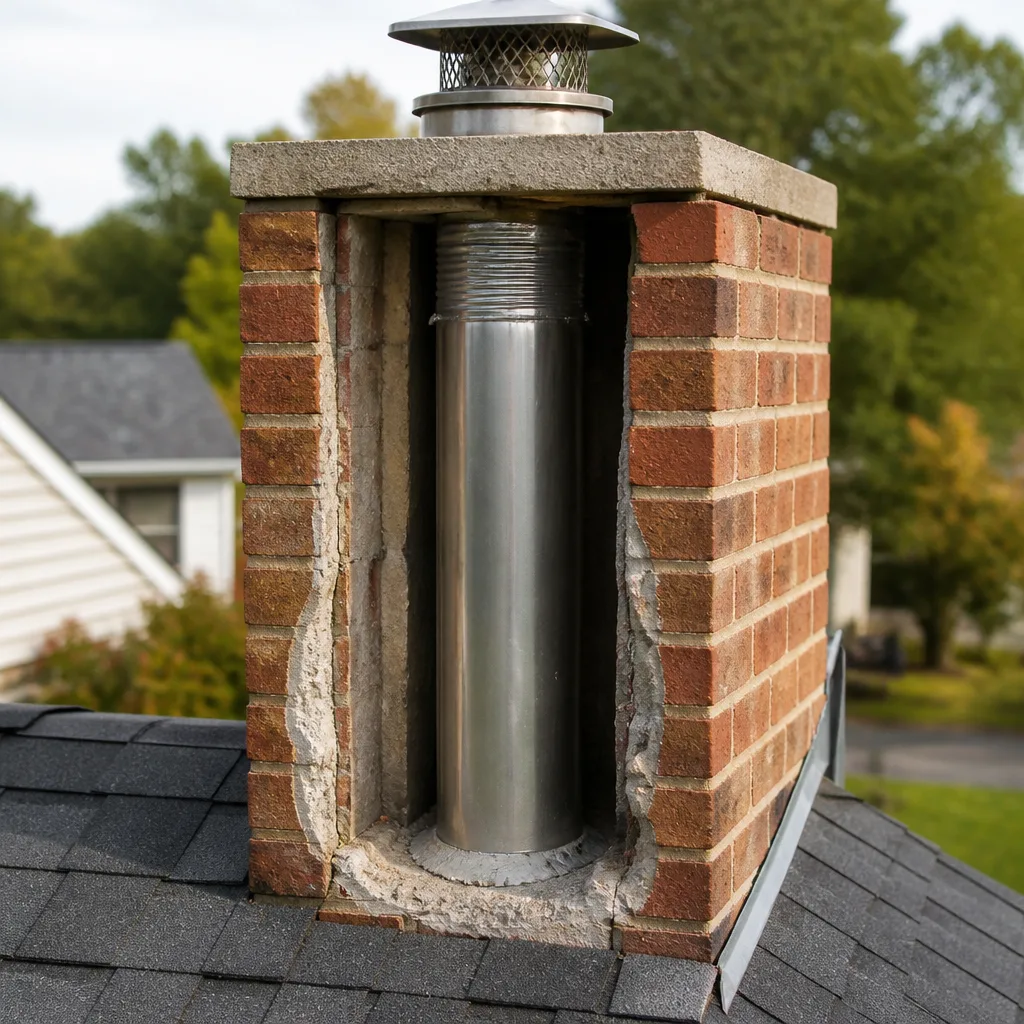 Flue relining
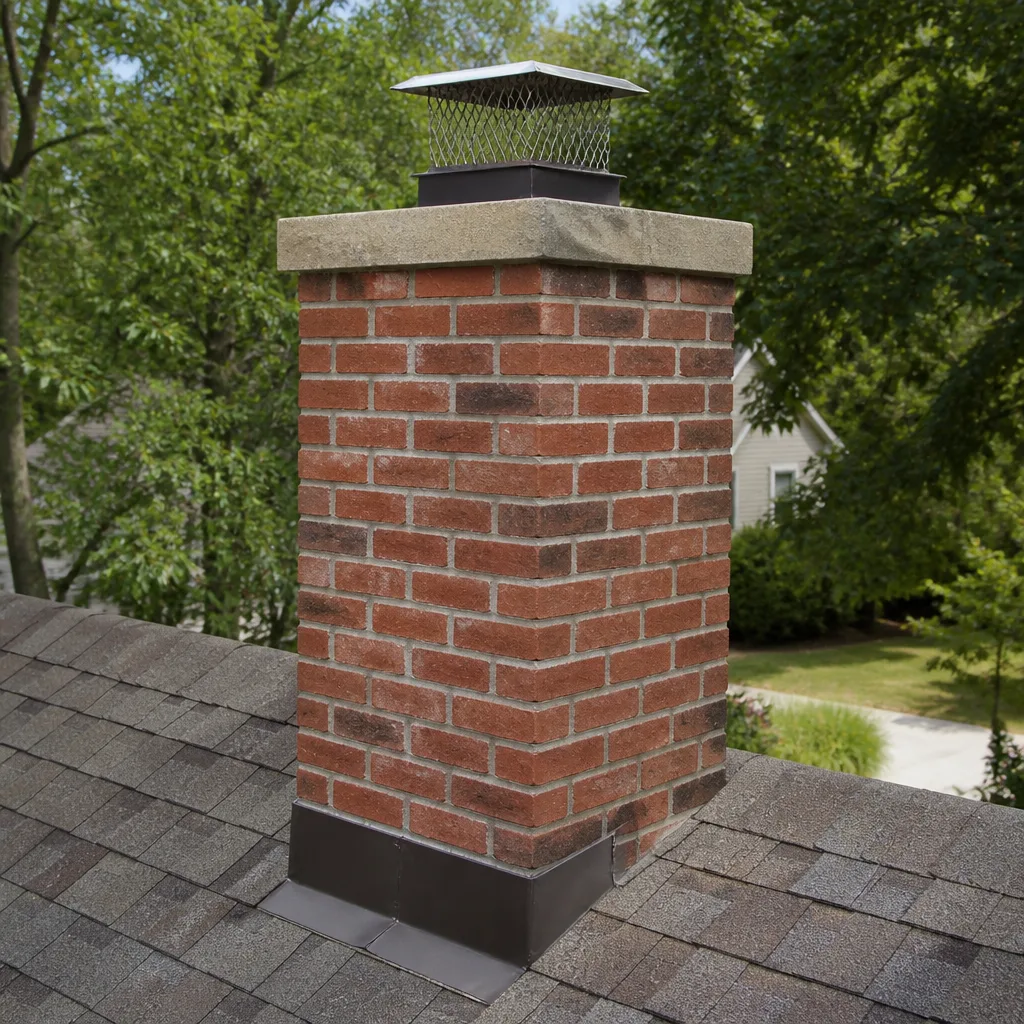 Masonry repair
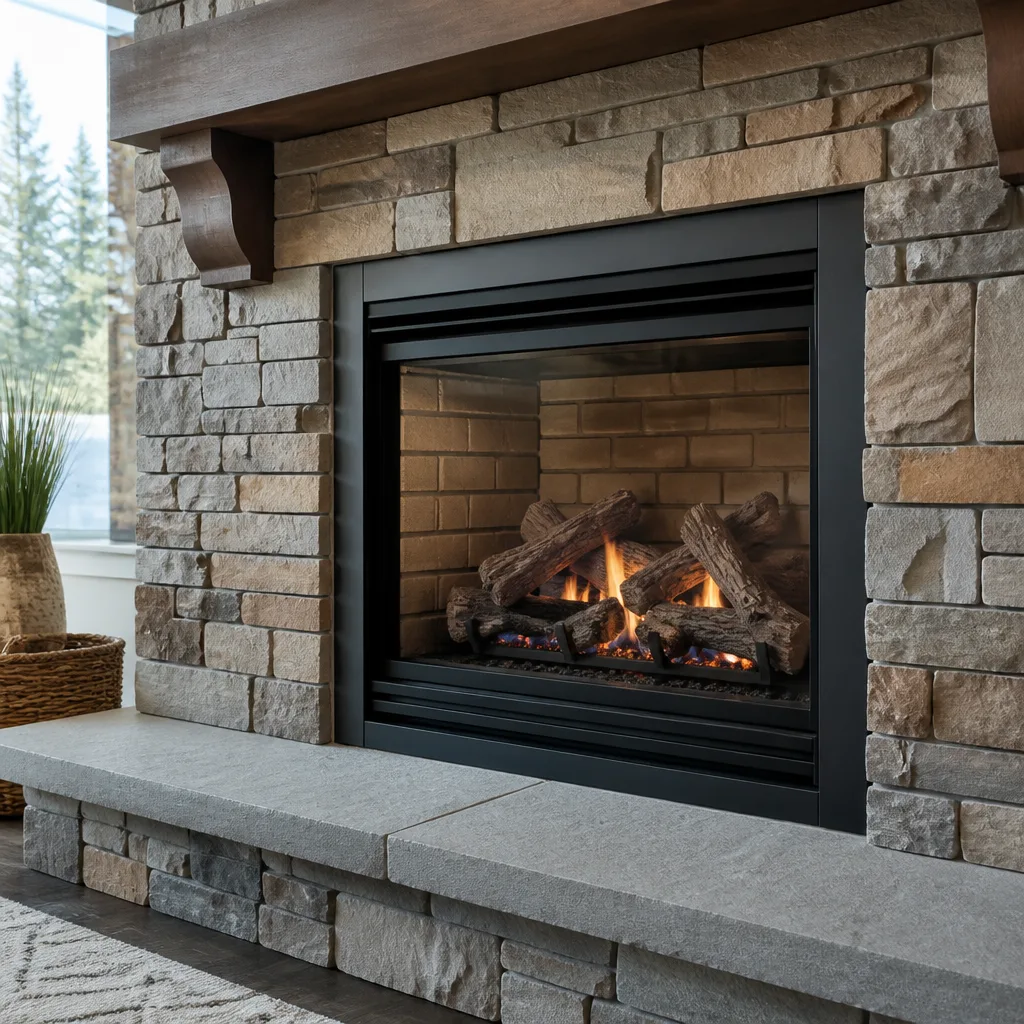 Gas fireplace service
Level 1 sweep and inspection to the NFPA 211 annual standard - flue, crown, cap, and flashing checked and photographed
Chimney sweep logs do not sweep chimneys. They loosen some creosote - which then falls where a brush and vacuum still have to collect it.
The Complete Guide to Chimney Cleaning in Eagle Rock
Most Eagle Rock homeowners light their fireplace fewer than 20 times a year. That sounds like a reason to skip the annual sweep, but it’s usually the opposite. Light, intermittent burning in a mild climate produces a creosote pattern and a moisture profile that catches plenty of specialists off guard, and it puts wear on masonry that steady winter burning in colder parts of the country doesn’t. This guide maps what a proper chimney cleaning in Eagle Rock actually involves: the creosote stages we find here, how local seismic movement stresses mortar and crowns, the equipment a real sweep brings, what an inspection covers, and how local air quality rules shape how often you burn and clean. By the end you’ll know exactly what a thorough service looks like in this neighborhood and what to ask before you book one.
Styles & brands we work with
- Sweep & inspection
- Caps & crowns
- Flue relining
- Masonry repair
- Gas fireplace service
Quick Answer
Chimney cleaning in Eagle Rock means removing creosote, soot, and debris from the flue and firebox, then inspecting the full system for cracks, gaps, and water damage that mild, low-use conditions can hide. Because most local fireplaces see light seasonal use, a professional sweep and inspection once a year, plus a check any time you notice odor, draft problems, or visible damage, keeps the flue safe and working. A proper service pairs cleaning with a camera-and-eyes inspection so you see exactly what’s going on inside before anyone recommends repairs.
Table of Contents
- Why Low-Use Fireplaces in Eagle Rock Still Need Cleaning
- Stage 1 and Stage 2 Creosote: What’s Different Here
- How Seismic Activity Affects Your Masonry and Crown
- The Equipment a Professional Sweep Should Bring
- What a CSIA Level 1 Inspection Actually Checks
- SCAQMD Rule 445, No-Burn Days, and Cleaning Frequency
- The Anatomy of a Proper Sweep, Step by Step
- Common Mistakes to Avoid
- When to Call a Professional
- Frequently Asked Questions
Why Low-Use Fireplaces in Eagle Rock Still Need Cleaning
A fireplace used 15 to 20 times a season still builds up. Every fire deposits a thin layer of soot and creosote on the flue walls, and those layers don’t disappear when the fireplace sits idle for months. In Eagle Rock, the mild climate means the firebox spends most of the year cold and the flue spends most of the year damp from the marine layer that settles over the hills in the morning. That combination, light deposits plus long humid idle periods, is what makes annual service matter even for occasional burners.
There’s a second reason low use doesn’t mean low risk. A flue that only sees a handful of fires a year gets less heat, and less heat means less natural drying of the masonry and the creosote. The residue that forms stays softer longer but also holds moisture against the flue tile. Over a few seasons, that slow damp cycle does more to a chimney than a roaring weekly fire would. We’ve seen flues in Eagle Rock with light soot loads and surprisingly advanced tile deterioration, simply because the chimney never got warm enough to dry out between burns.
The practical takeaway: don’t use “we barely burn” as a reason to skip a yearly check. Use it as a reason to look at the flue every year for moisture damage, not just soot. A sweep that only measures soot depth misses the more important question for a lightly used Eagle Rock chimney: is the tile and mortar staying dry?
What “light use” really costs you
- Moisture over soot. The dominant wear in a low-use Eagle Rock flue is damp, not heavy creosote.
- Cold-start fires. The first fire of the season burns cooler and smokes more, laying down softer, stickier deposits.
- Long idle gaps. Months without a fire let condensation form on cool flue walls.
- Forgotten maintenance. Low-use homeowners often go years between inspections without realizing it.
Stage 1 and Stage 2 Creosote: What’s Different Here
Creosote forms in three recognizable stages, and Eagle Rock’s light-use pattern tends to produce the first two more often than the third. Stage 1 is a flaky, soot-like deposit you can brush away easily. Stage 2 is a crusty, sometimes shiny layer that takes more mechanical work to remove. Stage 3, the glazed, hardened tar that’s genuinely dangerous, is more common in cold-climate homes that burn hot and often; here it shows up occasionally, usually in fireplaces that have never been swept and have burned unseasoned wood for years.
What makes the local pattern distinct is the mix. Because so many Eagle Rock fireplaces burn cool, intermittent fires, we find a lot of stage 1 soot combined with pockets of stage 2 on the cooler upper flue walls, where smoke condenses before it exits. Cool flue, slow draft, sticky deposit. That upper-flue stage 2 crust is exactly what a brush-only sweep can leave behind, which is covered later in the equipment section.
Wood choice matters too. Burning well-seasoned hardwood keeps deposits lighter and drier. Burning soft or green wood in a lightly used fireplace is a fast route to stage 2. It’s one reason our technicians ask about your firewood as part of a chimney sweep visit: the wood tells us what to expect up the flue before we even look.
How to read your own creosote
- Look at the damper and smoke chamber. Black, flaky soot is stage 1. Crusty or shiny patches are stage 2.
- Check the firebox walls. Heavy, glossy buildup here is a sign of prolonged cool burning.
- Note any tar smell. A strong creosote odor on warm days means deposits are present and active.
- Leave the flue to a professional. The deposits that matter are above the damper, where you can’t see or safely reach.
Stage 3 glazed creosote is the fire-risk layer, and it’s not something to remove by hand. A trained sweep uses the right tools and, in some cases, chemical treatment to break it down safely.
How Seismic Activity Affects Your Masonry and Crown
Eagle Rock and the neighboring Highland Park area sit in a seismically active zone, and that reality shows up in the chimneys we inspect. Masonry doesn’t fail all at once from a single jolt; it loosens over time. Each minor tremor can open hairline cracks in mortar joints and along the crown, the concrete cap at the very top of the chimney. Those cracks don’t announce themselves. They let water in, and water is the slow killer of every masonry chimney.
When we sweep in Eagle Rock, we’re looking at the crown and the mortar joints as closely as we look at the flue. A crown that’s cracked or pulling away from the flue is letting rain and morning damp into the chimney structure. Once moisture is inside the masonry, a mild winter is enough to work it deeper, and repeated wet-and-dry cycles loosen the joints further. Over years, a small crack becomes a structural concern. This is why our chimney cap & crown work pairs with inspections: sealing the top is often the single most effective thing you can do to protect a chimney in this climate.
What to look for alongside a standard sweep:
- Crown cracks. Any visible crack, or a crown that’s separated from the flue tile, needs attention.
- Mortar joint condition. Crumbling or receding mortar between bricks, especially near the top.
- Leaning or tilting. Any movement of the chimney stack away from vertical.
- Interior staining. Water marks on the firebox or smoke chamber walls after rain.
- Loose flashing. Gaps where the chimney meets the roofline let water track in.
None of this is a reason to panic. It’s a reason to have the top of the chimney looked at every year by someone who knows what seismic wear looks like in this neighborhood.
The Equipment a Professional Sweep Should Bring
The tool a sweep reaches for tells you a lot about the sweep. A brush-only service handles light stage 1 soot fine. It struggles with the stage 2 crust that forms on cooler upper flue walls, which is common in lightly used Eagle Rock fireplaces. A professional setup includes both brush and rotary equipment, and the technician chooses based on what’s actually in your flue.
Brush systems vs. rotary rod systems
Hand brushes on flexible rods are right for standard straight flues with light to moderate soot. Rotary rod systems, which spin a brush or whip head at controlled speed, are built for heavier deposits, offset flues, and the crusty stage 2 buildup that a hand brush skips over. A technician who brings only one of these and never assesses the other is a technician who hasn’t looked at enough variety. We carry both because the appropriate tool depends on the flue, not on convenience.
What else a proper sweep should have on hand
- A drop cloth and runner system to keep soot out of your living space.
- A strong shop vacuum with HEPA filtration rated for fine ash and soot.
- An inspection camera so you see the flue, not just hear about it.
- A flashlight and mirror for the firebox, damper, and smoke chamber.
- Rotary and hand-brush heads sized to your flue’s dimensions.
- A moisture meter for checking masonry and firewood.
Ask what equipment a sweep brings before you book. A specialist answers that question in specifics. A generalist handyman usually can’t.
What a CSIA Level 1 Inspection Actually Checks
A CSIA Level 1 inspection is the standard annual check, and it’s more thorough than most homeowners assume. It covers the readily accessible portions of the chimney and venting system: the firebox, damper, smoke chamber, flue, crown, cap, and the exterior of the chimney where it’s visible. It looks for obstructions, deterioration, and anything that would affect safe operation. What it is not is a full tear-down or a video-scope of every inch of flue; that’s a higher-level inspection, recommended when there’s a known problem, a recent chimney fire, or a home sale in progress.
Homeowners often think a Level 1 inspection is just a quick look down the flue. In practice, it’s a structured checklist, and the difference between a real one and a glance is exactly what you’re paying for. It’s also the moment to raise anything you’ve noticed: a smoky fireplace, a draft that’s gotten worse, water stains, or a smell on warm days.
One advantage of working with a dedicated chimney specialist is that the inspection and the remedy come from the same team. If the inspection finds a cracked crown or a deteriorating flue, you’re not handed a business card for someone else. Our Chimney Sweep Eagle Rock team inspects and repairs, so the diagnosis and the fix stay in one set of hands.
What a Level 1 inspection typically covers
- The firebox, damper, and smoke chamber
- The flue interior, as far as is safely accessible
- The crown, cap, and flashing
- The exterior chimney structure where visible
- Clearances to combustible materials
- Signs of water intrusion or obstruction
SCAQMD Rule 445, No-Burn Days, and Cleaning Frequency
Eagle Rock sits within the South Coast Air Quality Management District, and SCAQMD Rule 445 governs wood-burning devices in the region. The rule restricts the installation of new wood-burning fireplaces and, on designated no-burn days, limits residential wood burning when air quality is poor. For homeowners, the practical effect is that the number of nights you can legally and comfortably burn is lower than in a rural, cold-climate area. That feeds directly into the low-use pattern described earlier, and into how you should think about cleaning frequency.
Here’s how to plan around it. Track roughly how many fires you actually light in a season, not how many you’d like to. Most Eagle Rock households land well under 20. Then clean and inspect once a year regardless, because the moisture-and-masonry wear is a yearly cycle, not a soot-depth decision. If a no-burn day catches you mid-season, that’s not lost maintenance; it’s just a skipped fire. The annual sweep still happens.
Two practical notes on burning cleaner here:
- Burn dry, seasoned wood. It produces less creosote and less smoke, which matters on the days you can burn.
- Check the burn-day status before lighting up. The district publishes no-burn alerts; a quick check keeps you on the right side of the rule.
- Never burn trash or treated wood. It fouls the flue and defeats the point of a clean-burning fire.
Rule 445 doesn’t change how often you clean. It changes how often you burn, which is exactly why a light-use household still needs an annual look.
The Anatomy of a Proper Sweep, Step by Step
Knowing what a thorough sweep looks like lets you judge one when it’s happening in your living room. A complete chimney cleaning in Eagle Rock follows a consistent sequence, from setup to final inspection, and every stage matters. Here’s the sequence a professional service should follow.
- Protect the room. Drop cloths and a runner go down before any tool comes out. No soot in the living space.
- Inspect before cleaning. The technician looks at the firebox, damper, and flue before sweeping, so nothing gets missed or damaged.
- Clean the firebox and smoke chamber. Soot and ash come out first, then the smoke chamber and damper get scrubbed.
- Sweep the flue. Brush or rotary equipment goes up from below, sized to the flue; deposits come down into the firebox area and get vacuumed with HEPA filtration.
- Check the top. The crown, cap, and flashing get inspected from the roof for cracks, gaps, and water damage.
- Run a camera check. A camera survey confirms the flue is clear and shows any cracks or gaps the brush can’t reveal.
- Review findings with you. The technician shows you what was found, explains what it means, and lets you decide on any repair.
Step seven is where a good company earns trust. You should see the evidence, not just hear a recommendation. Nothing gets recommended without something you can look at yourself, and if the work can safely wait, we say so. That’s the same standard we apply to a fireplace repair visit, and to every sweep we run in Eagle Rock.
What a proper sweep includes
- A protected work area and HEPA-filtered cleanup
- Firebox, smoke chamber, damper, and flue cleaning
- Roof-top look at crown, cap, and flashing
- Camera survey of the flue
- A findings review with the homeowner
- Written recommendations you can keep
Common Mistakes to Avoid
- Skipping the annual sweep because you “barely burn.” In Eagle Rock’s mild climate, moisture damage advances faster than soot buildup, and only a yearly inspection catches it. Low use is a reason to inspect for damp, not a reason to skip.
- Hiring a brush-only sweep for a cool-burning flue. The stage 2 crust that forms on cooler upper flue walls needs rotary equipment, and a brush-only service tends to leave it behind.
- Overlooking the crown after a tremor. Seismic movement opens hairline crown and mortar cracks that let water in. Every sweep in this area should include a look at the top, not just the flue.
- Burning green or soft wood in a lightly used fireplace. Cool, intermittent fires lay down sticky deposits. Seasoned hardwood keeps the flue drier and cleaner.
- Assuming a Level 1 inspection means a video survey of every inch. It covers accessible portions and is thorough, but a camera scan for a known problem is a separate, higher step you may need to ask for.
- Taking a repair recommendation at face value. Ask to see the camera image or the crack. A specialist shows the evidence; a sales-first operator just quotes a number.
- Ignoring a smoke or tar smell on warm days. That odor usually means deposits are present and active, and it’s a clear signal the flue needs a look well before the next burning season.
When to Call a Professional
Call a professional sweep if you’ve never had the chimney inspected, if it’s been more than a year since the last cleaning, or if you’ve recently moved into an older Eagle Rock home and don’t know its maintenance history. Call sooner if you smell creosote on warm days, if the fireplace smokes into the room or drafts poorly, if you see water staining in the firebox or on the masonry, or if you notice cracks at the crown or crumbling mortar after a tremor. Also call if you’ve had a chimney fire, even a small one, because the flue needs a camera inspection afterward. Chimney Sweep Eagle Rock offers free estimates in Eagle Rock. Call (855) 506-8977; we answer 24/7, with fast dispatch from 7am to 7pm, Sunday through Friday.
Frequently Asked Questions
Chimney cleaning in Eagle Rock is priced per job by a written estimate, and the estimate is free, so the number you get is set by the size and condition of your flue, not by a flat rate. Because prices vary with what the inspection finds, we won’t quote a made-up figure over the phone. Call (855) 506-8977 for an exact quote; estimates are free.
A chimney should be swept and inspected once a year in Eagle Rock, even if you only burn a few times a season. The mild climate keeps the flue damp for long stretches between fires, and moisture does more damage than soot. If you burn more heavily or notice odor, draft issues, or staining, call sooner.
Only if the inspection shows a real problem with the existing flue, such as cracking, gaps, or heavy glaze that can’t be cleaned. We don’t recommend a liner without showing you the evidence. When a flue is deteriorating but not failing, HeatShield liner resurfacing can restore it without a full replacement, which is a middle path many sweeps can’t offer. Call (855) 506-8977 to find out whether you need one.
Skipping the sweep lets creosote and moisture accumulate, raising the risk of a chimney fire and allowing small cracks to worsen into structural problems. In Eagle Rock’s seismically active zone, an unchecked crown crack can quietly let water into the masonry for years. The cost of one inspection is small compared to the repair it prevents; call (855) 506-8977 to book.
A professional sweep should bring both hand brushes and rotary rod systems, a HEPA vacuum, drop cloths, an inspection camera, and the tools for a roof-top look at the crown and cap. The tool choice depends on what’s in your flue. If a sweep arrives with only a brush, the upper stage 2 deposits common in Eagle Rock flues may be left behind.
A Level 1 inspection covers the readily accessible portions of the chimney, including the firebox, damper, smoke chamber, flue, crown, cap, and flashing. It checks for obstructions, deterioration, and water intrusion. It is thorough, but a full video survey of a known problem is a higher-level inspection you may need separately. Call (855) 506-8977 to schedule one.
The Bottom Line
Chimney cleaning in Eagle Rock isn’t the same job it is in a cold-weather climate. Light seasonal use, a damp marine layer, and seismic stress on masonry make moisture and mortar the real watch items, while stage 1 and stage 2 creosote still build from cool, intermittent fires. A proper sweep means the right tools for your flue, a Level 1 inspection that goes beyond soot depth, a look at the crown and mortar, and findings you can see for yourself. Nothing gets recommended without evidence, and if the work can wait, we’ll tell you. Book the annual sweep, keep your firewood dry, and watch the crown after any tremor. That routine protects a chimney here for a long time.
Ready to schedule? We work with professional-grade brands including HeatShield, DuraFlex, and Copperfield, and our technicians have up to 14 years of experience. Call (855) 506-8977 for a free estimate. We answer 24/7, with fast dispatch from 7am to 7pm, Sunday through Friday.
Written by the team at Chimney Sweep Eagle Rock.
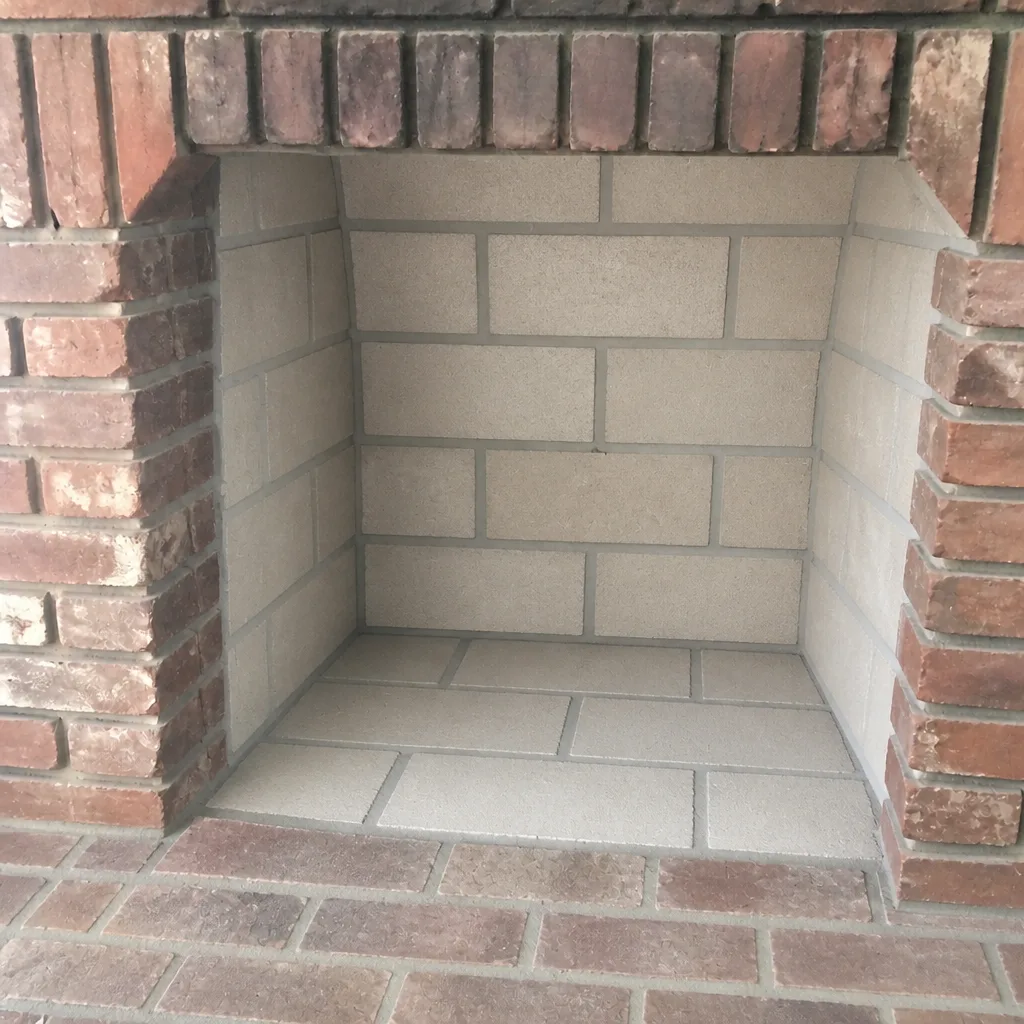
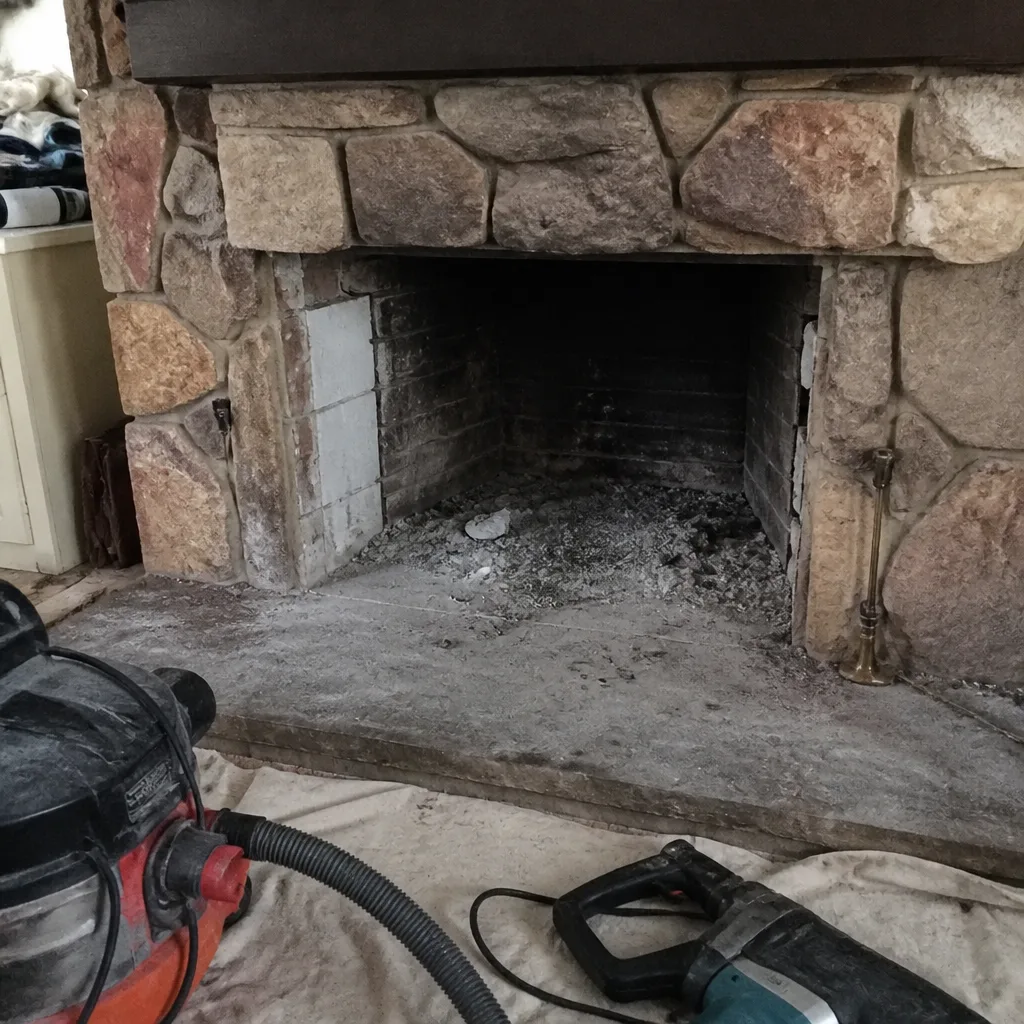
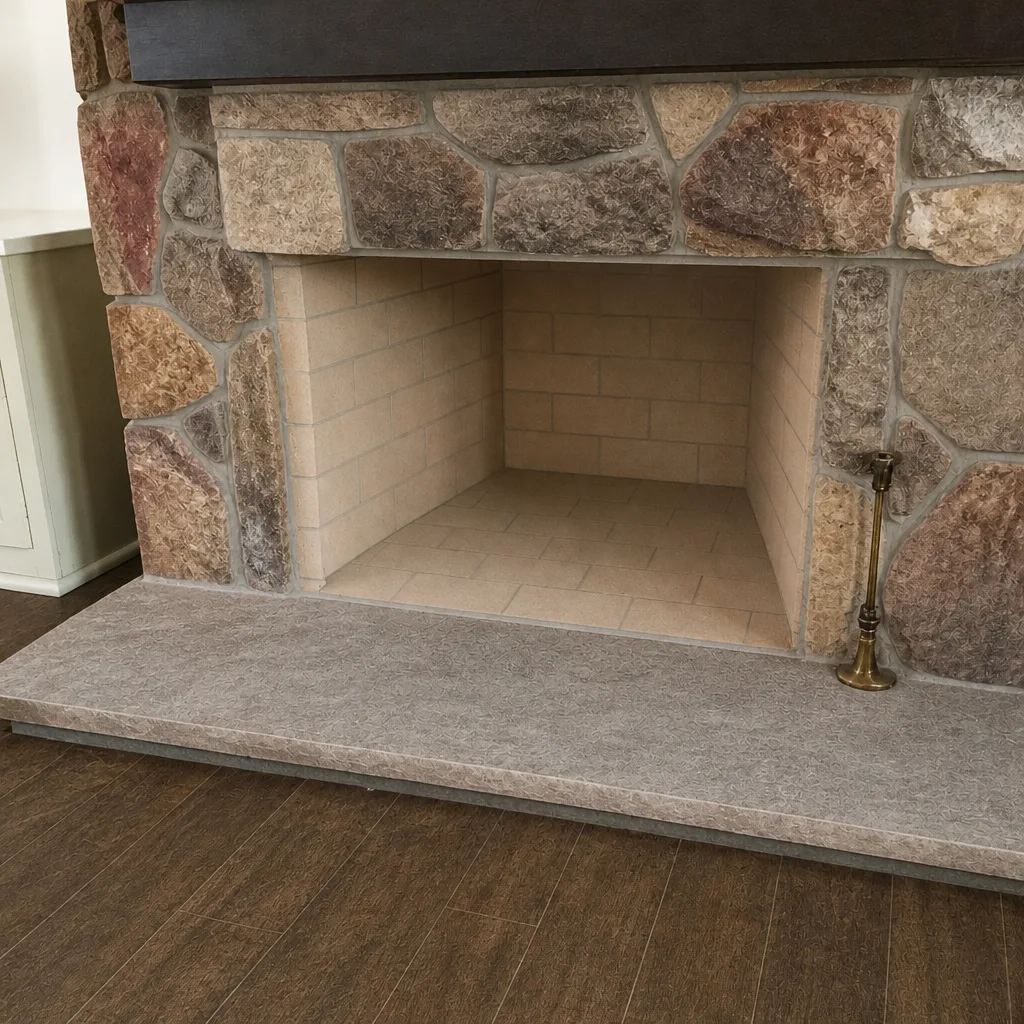
See the difference
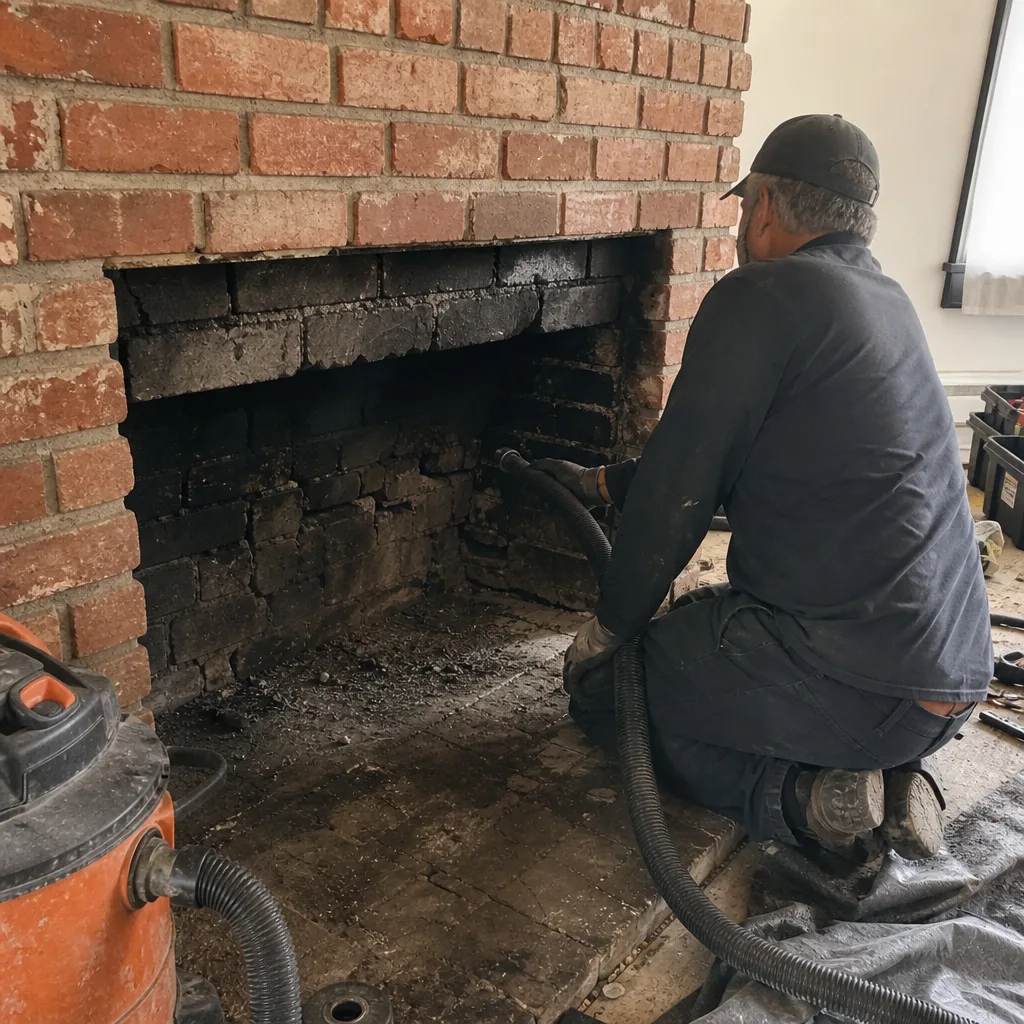 Before
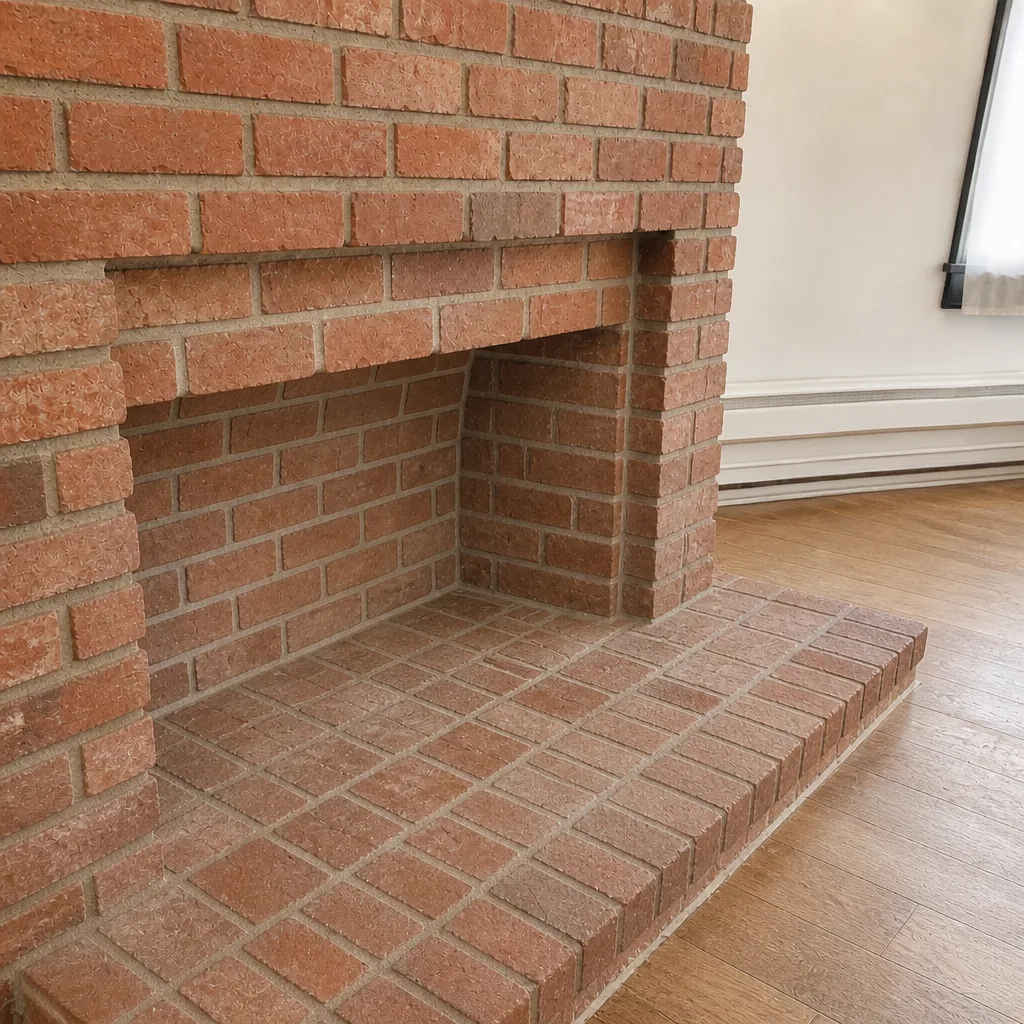 After
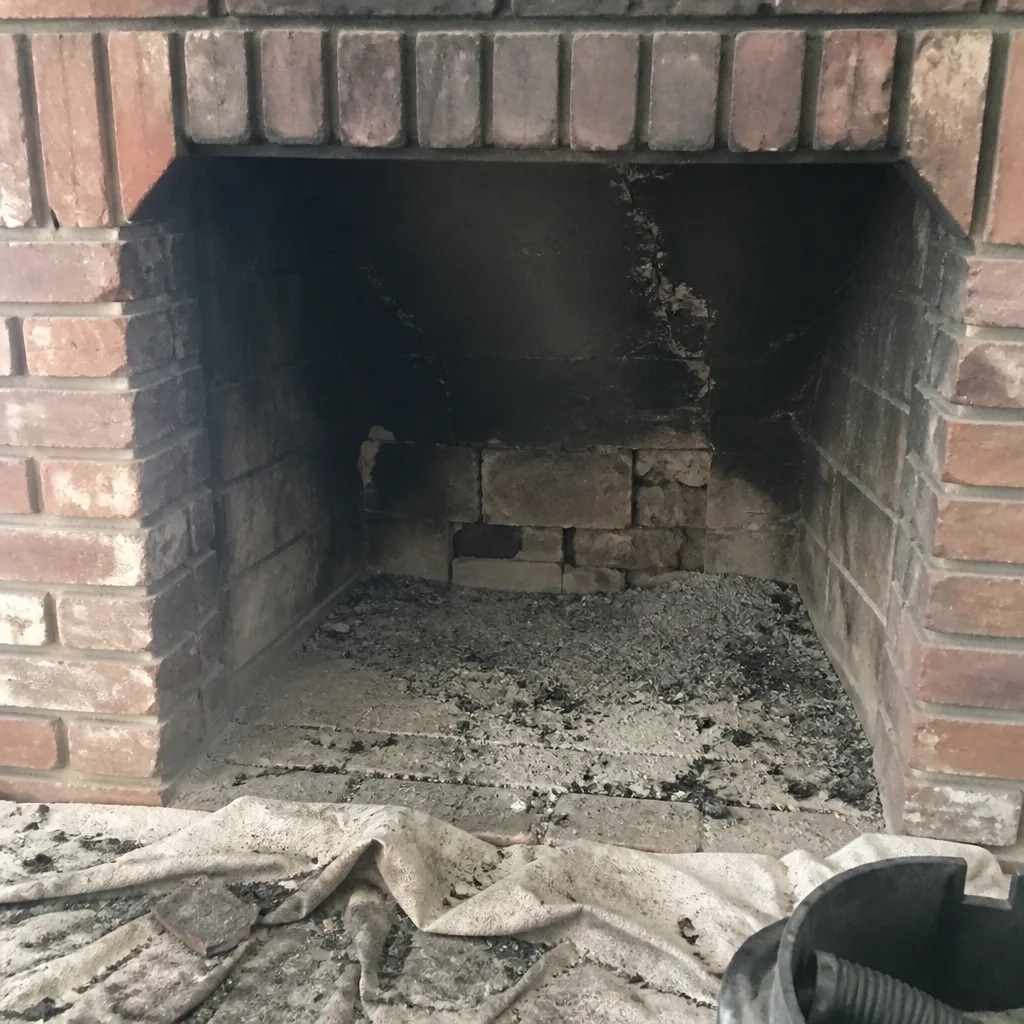 Before
 After
 Before
 After