
Last updated November 22, 2026
 Sweep & inspection
 Caps & crowns
 Flue relining
 Masonry repair
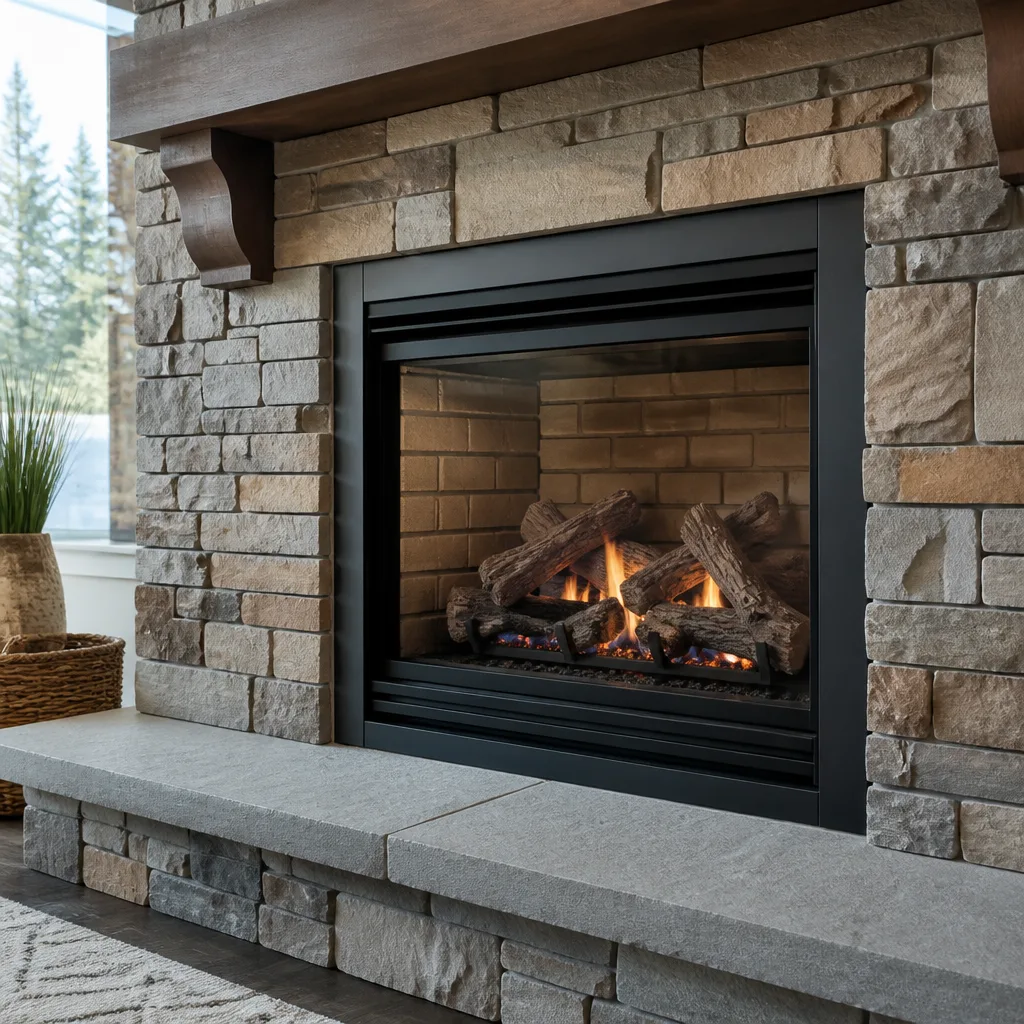 Gas fireplace service
Level 1 sweep and inspection to the NFPA 211 annual standard - flue, crown, cap, and flashing checked and photographed
Chimney sweep logs do not sweep chimneys. They loosen some creosote - which then falls where a brush and vacuum still have to collect it.
Seasonal Chimney Cleaning Care for Eagle Rock: Year-Round Homeowner’s Guide
Most chimney care advice you’ll read online was written for places with hard winters: sweep in autumn, batten down before the snow, thaw out in spring. Eagle Rock doesn’t work that way. Our fireplace season is short and mild, and the months when the flue sits idle are the months when the real damage gets set in motion. A crown hairline that looks harmless in June is a wet flue by the time the first cool evening has you reaching for firewood. This guide lays out a month-by-month rhythm built around how Eagle Rock actually lives – not a generic four-season calendar – so you can protect the flue you’ll want working when the weather turns.
By the end you’ll know when to schedule a sweep, what to check after a wind event, how to close a chimney for the off-season without trapping moisture, and the warning signs that mean it’s time to call a specialist.
Quick Answer
In Eagle Rock, the best time to sweep is late spring, right after your last fire of the season, because a clean flue spends the dry summer in far better shape than a sooty one. The off-season is also when the most damaging chimney conditions develop – crown cracking, pest nesting, and moisture intrusion – so schedule an inspection then rather than waiting for fall. Annual care, split between a post-season sweep and a summer check, keeps the whole system sound year-round.
Styles & brands we work with
- Sweep & inspection
- Caps & crowns
- Flue relining
- Masonry repair
- Gas fireplace service
Table of Contents
- Why Eagle Rock Chimney Care Doesn’t Follow the National Playbook
- The Eagle Rock Month-by-Month Chimney Calendar
- Why Late Spring Is the Right Time to Sweep
- Summer Risks: Humidity, Idle Flues, and Crumbling Mortar
- After a Santa Ana Wind Event: What to Check
- How to Close a Chimney for the Off-Season Without Trapping Moisture
- Getting Fire-Ready for the First Cool Evening
- Using the Fireplace Well Through the Season
Why Eagle Rock Chimney Care Doesn’t Follow the National Playbook
National chimney guides are built around cold climates where fall is a countdown to freeze. You sweep before the heating season because after that you can’t work outside, and because a winter’s worth of creosote needs clearing before the next round. That logic doesn’t transfer to Eagle Rock. Our winters are mild, the fireplace season is compressed into a narrow window of genuinely cool evenings, and the biggest threats to a chimney here don’t come from freezing at all. They come from the long warm months in between.
Here’s the shift in thinking. In a cold climate, the chimney’s enemy is ice. In Eagle Rock, it’s water of the slow, quiet kind. Marine layer humidity rolls in overnight through much of the year. An idle flue often sits sealed and uncirculated for months. Masonry is porous, mortar is the softest part of that masonry, and a crown with a hairline crack gives moisture a way in that stays invisible from the ground. None of that announces itself. It just accumulates until a flue that was fine last November is not fine this one.
That’s why the seasonal advice for this city has to be built locally. Our technicians have up to 14 years of experience and most of what they find in Eagle Rock chimneys is the slow, humidity-driven kind of wear – not dramatic storm damage, not ice, just moisture working on masonry across a long idle summer. Once you understand that, the calendar below makes sense.
One thing to hold onto as you read: chimney care isn’t one task. It’s a system – cleaning, inspection, protection, repair – and any of those can be the weak link. Treat it whole and the rest follows.
The Eagle Rock Month-by-Month Chimney Calendar
A calendar based on real Eagle Rock weather looks different from the national one. Here’s the rhythm we recommend to homeowners who want the whole system maintained rather than just swept when something smells off.
- Late spring (after your last fire): Sweep the flue and do a full inspection. This clears creosote before the warm, humid months set in and catches wear while it’s still small.
- Early summer: Check the crown and cap. Cracked crowns and damaged caps are the entry points for summer moisture, and warm dry days are the best window to repair them.
- Midsummer: Look for pest activity and confirm the flue is venting, not trapping, moisture. This is when birds, squirrels, and insects look for a dry place to nest.
- Late summer / early fall: After any Santa Ana wind events, check for blown-in debris and downdrafts. Clear the cap and confirm the flue is still drawing cleanly.
- First cool weather: Before the first real fire, a quick readiness check – damper, flue draw, cap, and a clear firebox.
- Through the fire season: Burn dry wood, avoid overloading the fire, and keep an eye on debris at the base of the chimney.
The headline for Eagle Rock: sweep in late spring and inspect in summer. Most national guides tell you to do both in fall, but by fall the expensive damage has usually already happened.
Why Late Spring Is the Right Time to Sweep
Spring is the right time to sweep in Eagle Rock because it clears the flue before the idle, humid summer instead of after it. Every fire leaves creosote on the flue walls – that’s normal. The problem is what a flue full of creosote does when it sits through a warm, humid summer. Creosote is acidic. When the marine layer works its way in and out of an idle flue, that creosote has time to interact with moisture and attack the liner and masonry from the inside. A flue swept clean in late spring isn’t sitting on that acid all summer.
There are three other reasons spring wins over fall here:
- It catches problems before they compound. An inspection done right after the fire season finds that cracked crown, loose cap, or crumbling mortar while it’s still a small and inexpensive fix – instead of after a summer of water has had its way.
- You’re not competing for calendar space in autumn. The fall rush means the sweep you should have booked in September is half-remembered by December. Booking it in the quiet late-spring season puts it behind you.
- You catch pest entry early. A spring inspection gives you time to seal gaps and confirm the cap is doing its job before nests take hold in the summer.
One more point. When you book a chimney sweep, ask for an inspection in the same visit if it’s not already included. Sweeping clears the flue; the inspection tells you what the sweep found. You want both.
A word of caution here. Creosote – especially the glazed, hard kind that builds up on the flue walls – is extremely flammable and dangerous to disturb without the right equipment. This is not a job for a homeowner with a wire brush from the hardware store. A trained professional knows how to remove it safely and what it means for the rest of the chimney.
Summer Risks: Humidity, Idle Flues, and Crumbling Mortar
Summer is when it’s easiest to forget the chimney exists, and it’s also when a lot of the damage happens. An idle flue in Eagle Rock is often sealed at the top by its cap and closed at the bottom by a damper, with low overnight humidity outside and warm, stuffy air inside. That combination creates the conditions for something called accelerated mortar degradation – moisture finds its way into porous masonry through small cracks and hairline gaps, then slowly works on the mortar joints that hold the whole structure together. You won’t see it from the ground until it’s structural.
Three things to watch in summer:
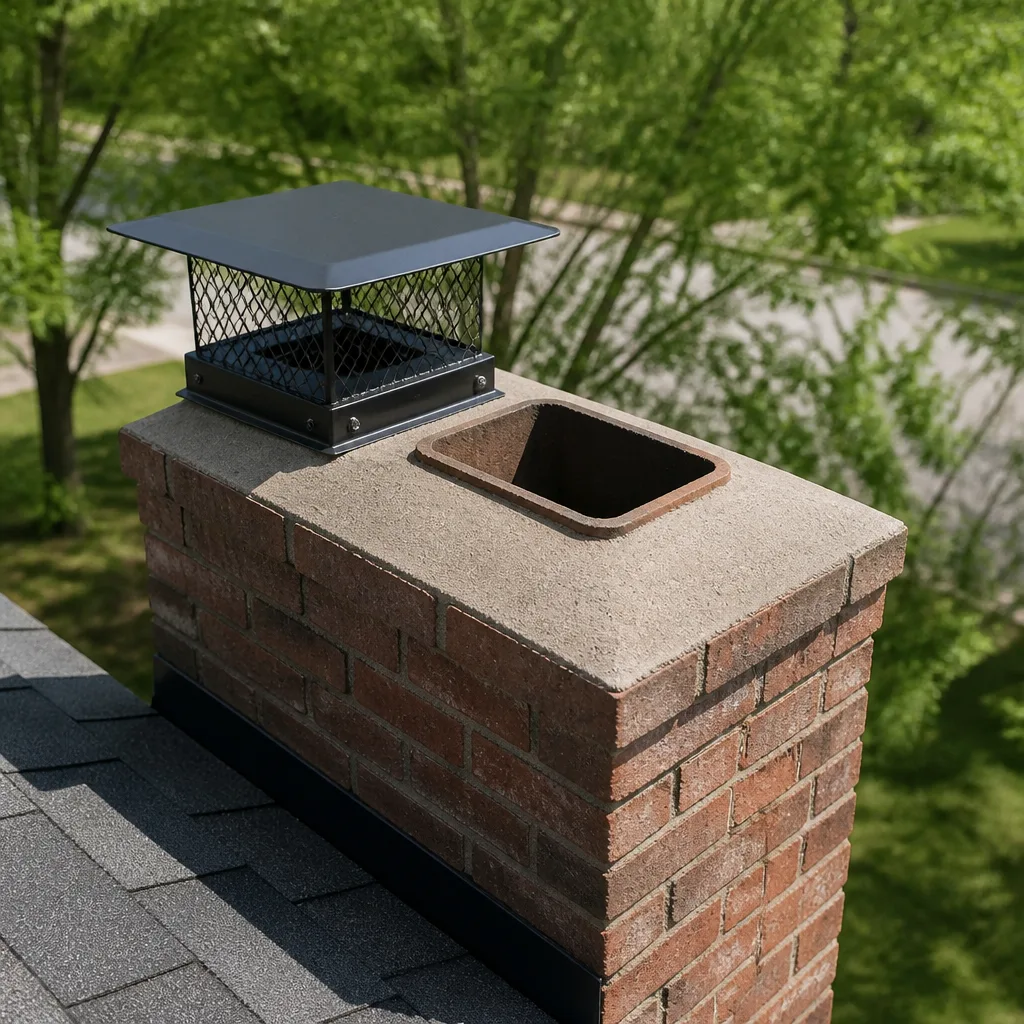
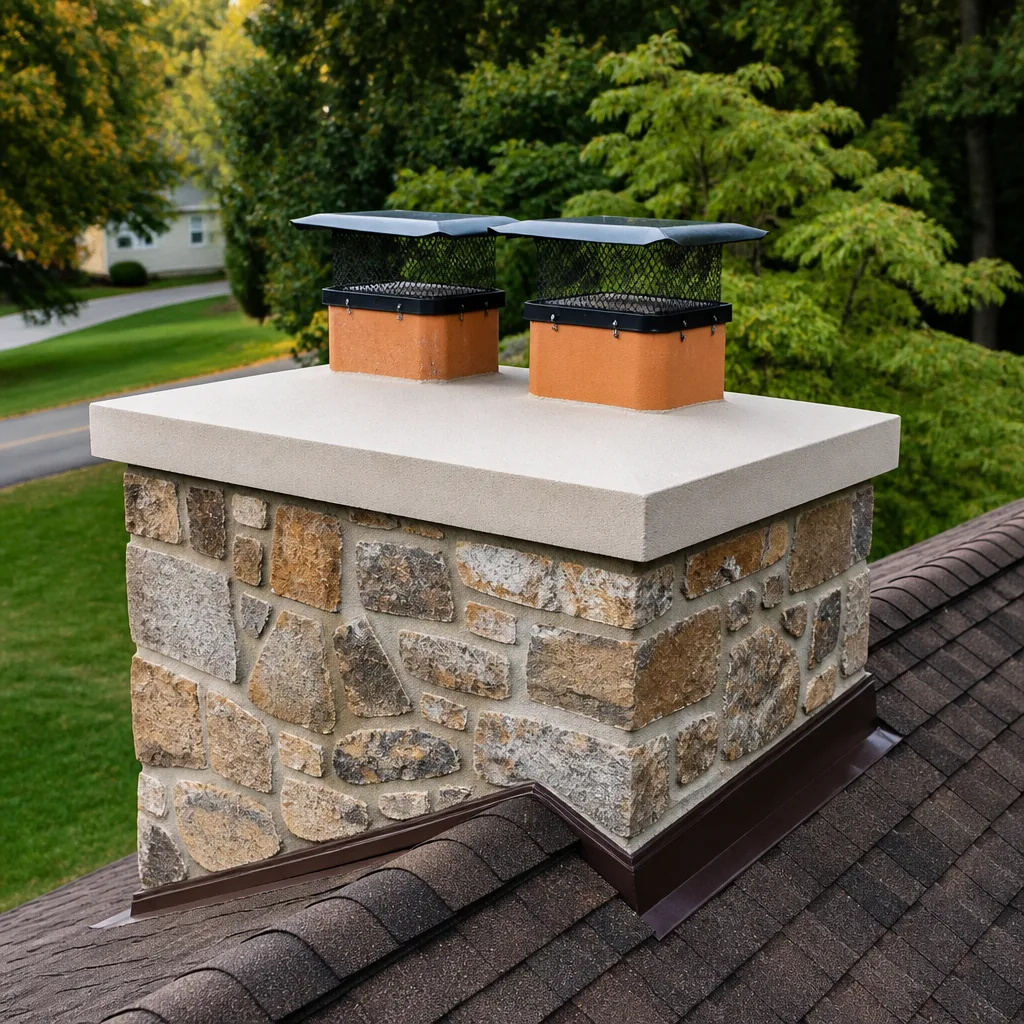
- Check the crown. The crown is the concrete or masonry cap sloping at the top of the chimney, designed to shed water. Hairline cracks there are the single most common way summer moisture gets in. chimney cap & crown work done with engineered products stops water damage better than an improvised fix – the right cap and crown work together to shed water and keep animals out.
- Confirm the flue is venting, not trapping, moisture. An idle flue that’s sealed too tightly at the bottom holds humidity in like a closed jar. The fix isn’t to leave it wide open – it’s to let the flue breathe correctly. That’s the subject further down.
- Watch for pests. Birds, squirrels, and insects all look for a dry, protected spot to nest through the warm months, and an uncapped or damaged flue is prime real estate. A properly fitted cap prevents that. We fit caps from brands like Gelco, Famco, and Olympia Chimney specifically because they hold up – improvised covers don’t.
Here’s the mental model: the flue is a system, not a tube. Protection up top (cap and crown), circulation through the flue, and a firebox that’s in good repair are all part of it. If any one of those fails, the others have to work harder. In summer, the flue does all the work while the fire does none.
After a Santa Ana Wind Event: What to Check
Santa Ana winds are Eagle Rock’s most underrated chimney hazard. Dry, strong, and often gusting hard, they push debris, dust, leaves, and ash around the roof and can drive material straight into the flue and cap. A capped flue can still take in wind-blown debris through gaps, and a partially blocked flue will smoke back into the house as soon as you light a fire – which is the worst way to discover a problem. Specific things to check after a wind event:
- The cap. Wind can loosen cap fittings or bend a lightweight cap. A cap that’s out of position won’t do its job.
- Debris inside the flue. Leaves and twigs blown in or pulled in by downdrafts. A flash of smoke or poor draw is the clue. Don’t try to clear it with a rod from the firebox while the flue is in use.
- The cap screen. A screen knocked out of place is an open door for birds. Replace or repair it before anything nests.
- The crown. Wind-driven debris can chip the edge of the crown. If you find fresh chips or cracks after a wind event, have it looked at.
- The mortar at the top of the stack. Debris strikes the top of the stack first. It’s worth a look up there after a hard blow.
If you’ve just come through a heavy Santa Ana stretch and notice smoke rolling into the room when you light a fire, that’s a flue-draw problem and worth a call. It’s almost always fixable – but not by ignoring it.
How to Close a Chimney for the Off-Season Without Trapping Moisture
The most common mistake homeowners make when closing a chimney for the off-season is sealing it too well. A flue plug or a blanket stuffed into the flue is sold as a way to stop drafts and heat loss, and it does that. It also traps humidity inside a sealed box for the whole warm season. In a climate with a marine layer and warm, humid months, that’s the opposite of what you want – a flue that can’t breathe is a flue where moisture has nowhere to go but into the masonry.
- Bring a little air in. Don’t seal the firebox airtight all summer. A cracked-open damper or a modest vent lets the flue exchange air instead of holding it. You’re managing moisture, not eliminating airflow.
- Keep the cap on, but check it’s clear. The cap should stay in place year-round to keep water, animals, and debris out. Just make sure it’s clear of nests and wind-blown debris before you close things up.
- Use the right plug if you use one at all. A plug should breathe if it’s staying in for months. Thin, porous plugs let some moisture exchange; the solid plastic cap variety that looks like a lid is the one that causes trouble.
- Address the crown before you close. If the crown is cracked, sealing the bottom won’t help – water is coming in from the top. Fix the crown before the summer, not after.
- Check the firebox and damper. Close the damper against cold-draft complaints but open it once a week or so, or leave it cracked, so the flue breathes.
One more thing to avoid: don’t use a plug as a substitute for a cap. The cap handles the top, the plug handles the bottom. Neither replaces the other, and if you only do one, the flue is still exposed.
See the difference
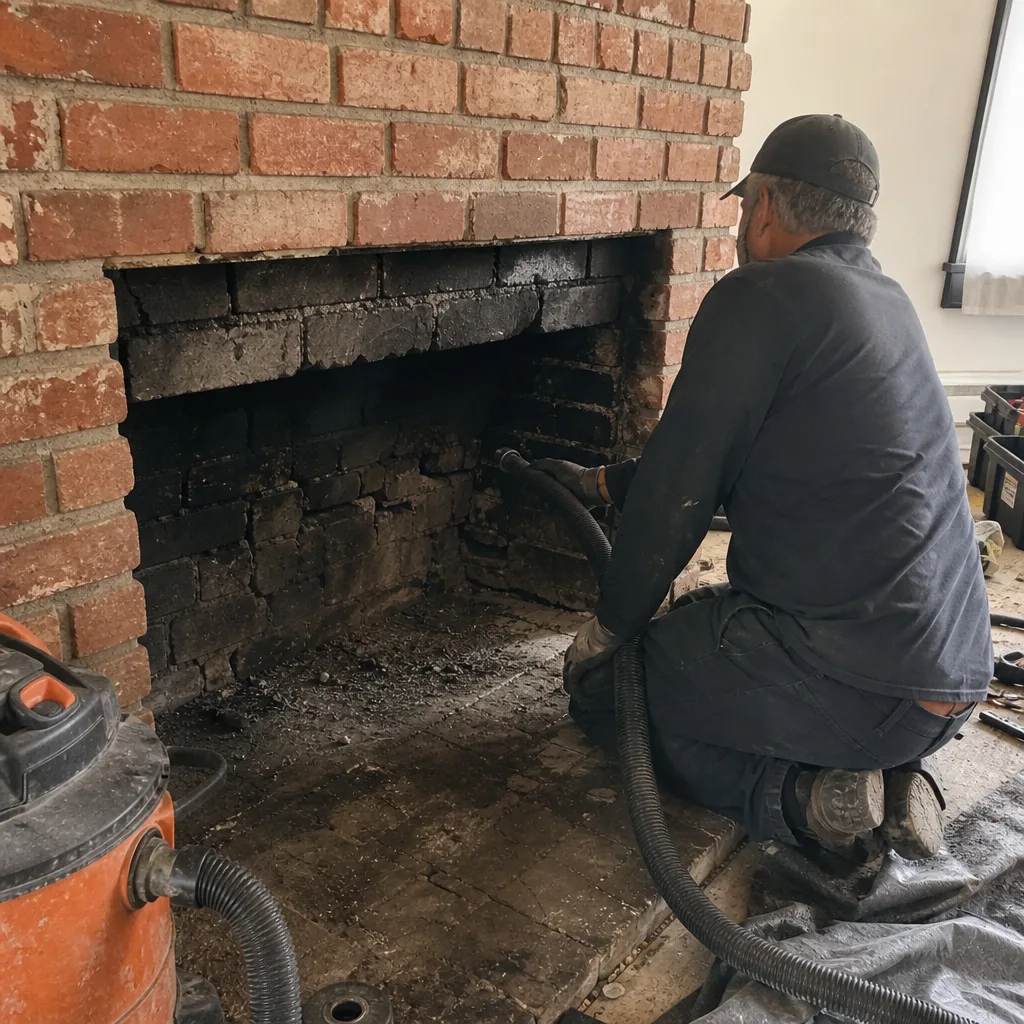 Before
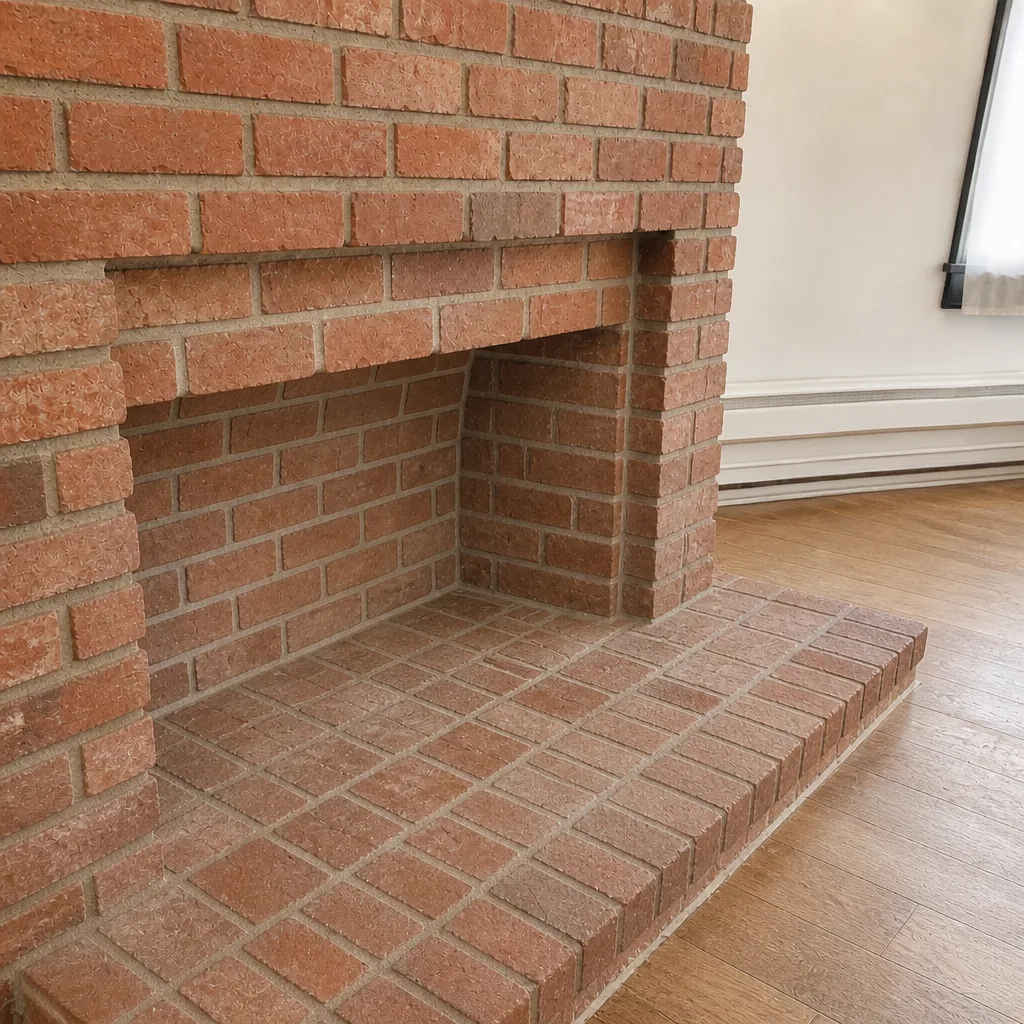 After
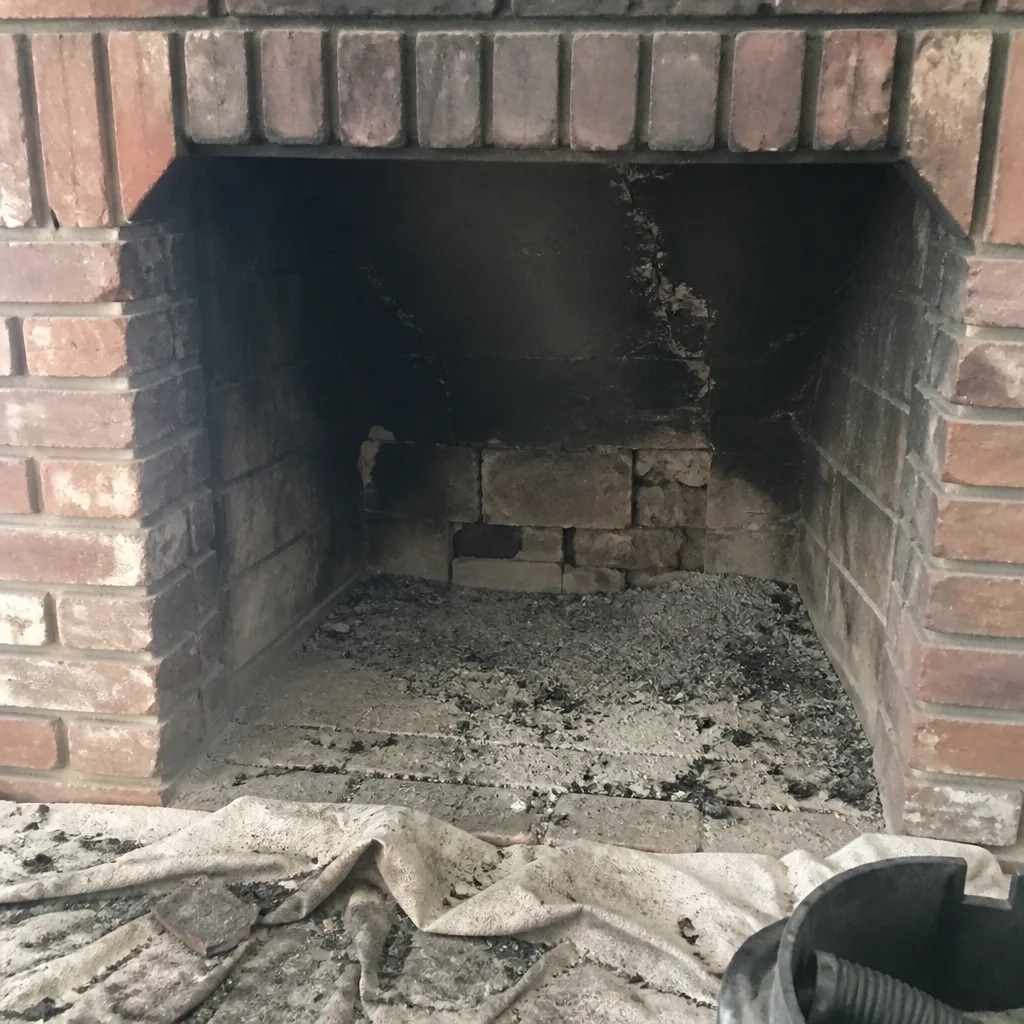 Before
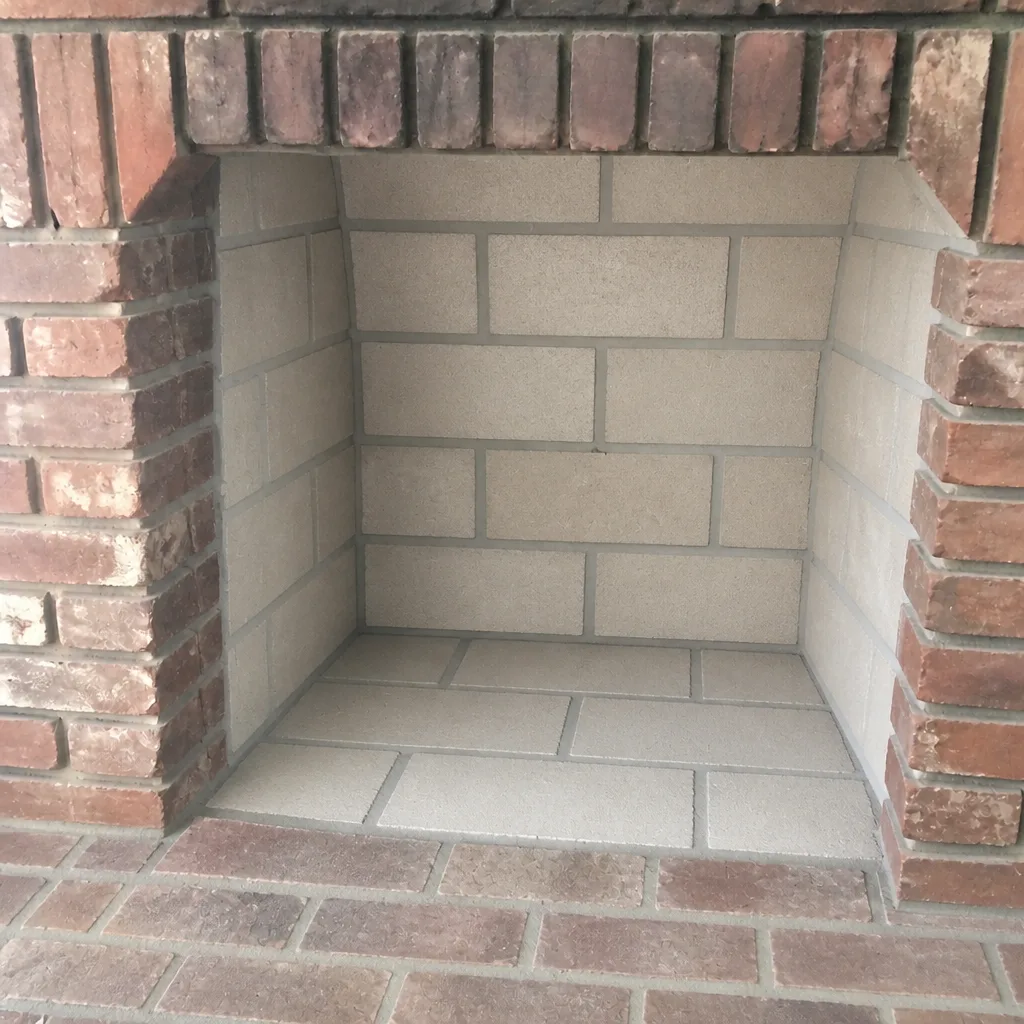 After
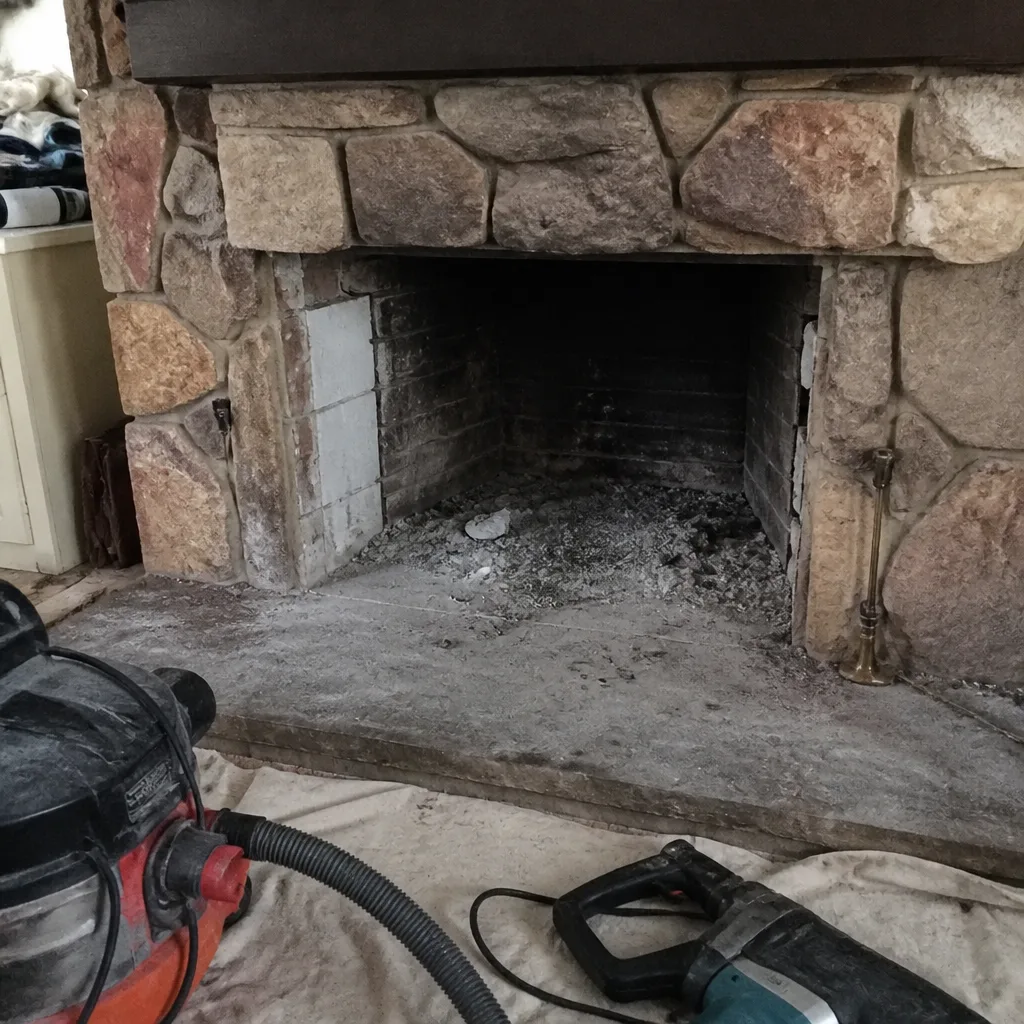 Before
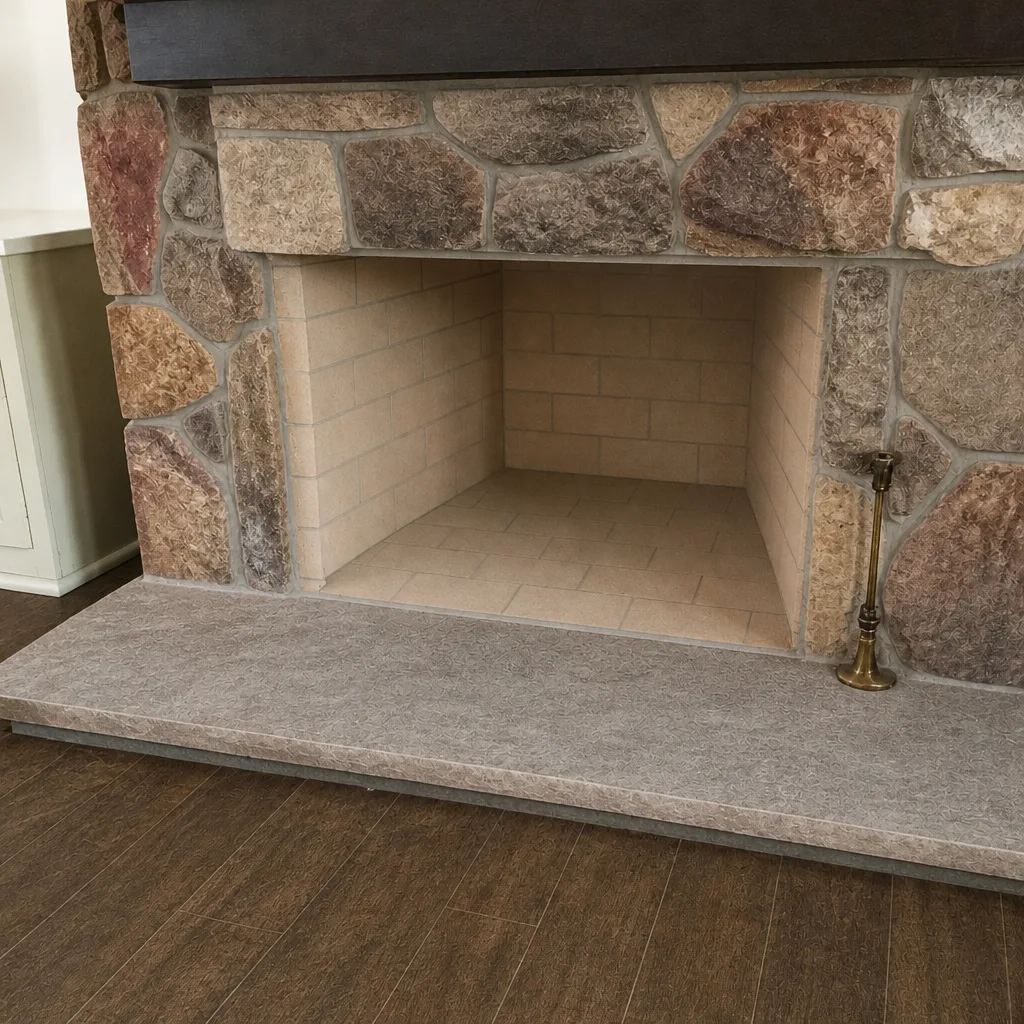 After
Getting Fire-Ready for the First Cool Evening
Before the fireplace is lit for the first time in the season, a short readiness check goes a long way. None of it requires a professional if the chimney was swept and inspected in the spring, but a quick look before the first burn catches the small stuff:
- Damper opens smoothly and stays where you put it. A stuck or loose damper is a draft problem waiting to happen.
- Firebox is clear and undamaged. No loose bricks, no crumbling joints, no debris from the summer. Small firebox cracks are worth an inspection – the fireplace repair side of good chimney care is often overlooked until it’s a bigger fix.
- Cap and flue are clear. A quick glance up, or a call, confirms nothing has nested or blown in since the last check.
- First fire is a small, dry-wood fire. Warm the flue gently rather than building a big fire straight away, so it draws cleanly.
If any of those checks turn up a real problem, don’t put off the inspection. A flue that smokes back once at the start of the season is telling you something.
Using the Fireplace Well Through the Season
Once the fire is lit, the aim is to burn well so the flue stays in good shape. Three habits matter most in Eagle Rock:
Burn dry, seasoned wood. Wet wood produces more smoke, more creosote, and less heat. Getting firewood early and keeping it dry until it’s needed means a cleaner flue and a better fire.
Build small, hot fires rather than slow, smoldering ones. A smoldering fire deposits more creosote on the flue walls than a clean, hot burn, and the slow burn is exactly the kind that builds the deposits you’ll have to sweep in the spring.
Keep the damper adjusted. A damper set right gives the fire enough air without letting all the heat escape up the flue. If you can smell smoke in the room, the damper is probably too closed or the flue is due for a sweep.
Across the season, watch the base of the chimney for masonry dust or grit – that’s a sign the flue or crown is degrading and worth an inspection. And if the fire starts smoking back, the flue is blocked. Stop burning, and get it looked at.
One safety point that matters. Creosote accumulation – especially the glazed kind that forms on the flue walls – is one of the most common causes of chimney fires, and carbon monoxide can back up into a living space when a flue is blocked or not venting right. Those are real risks, not scare tactics. That’s exactly why the calendar above is about prevention rather than reaction. You service the system, whether that means calling on our team at Chimney Sweep Eagle Rock or through another professional.
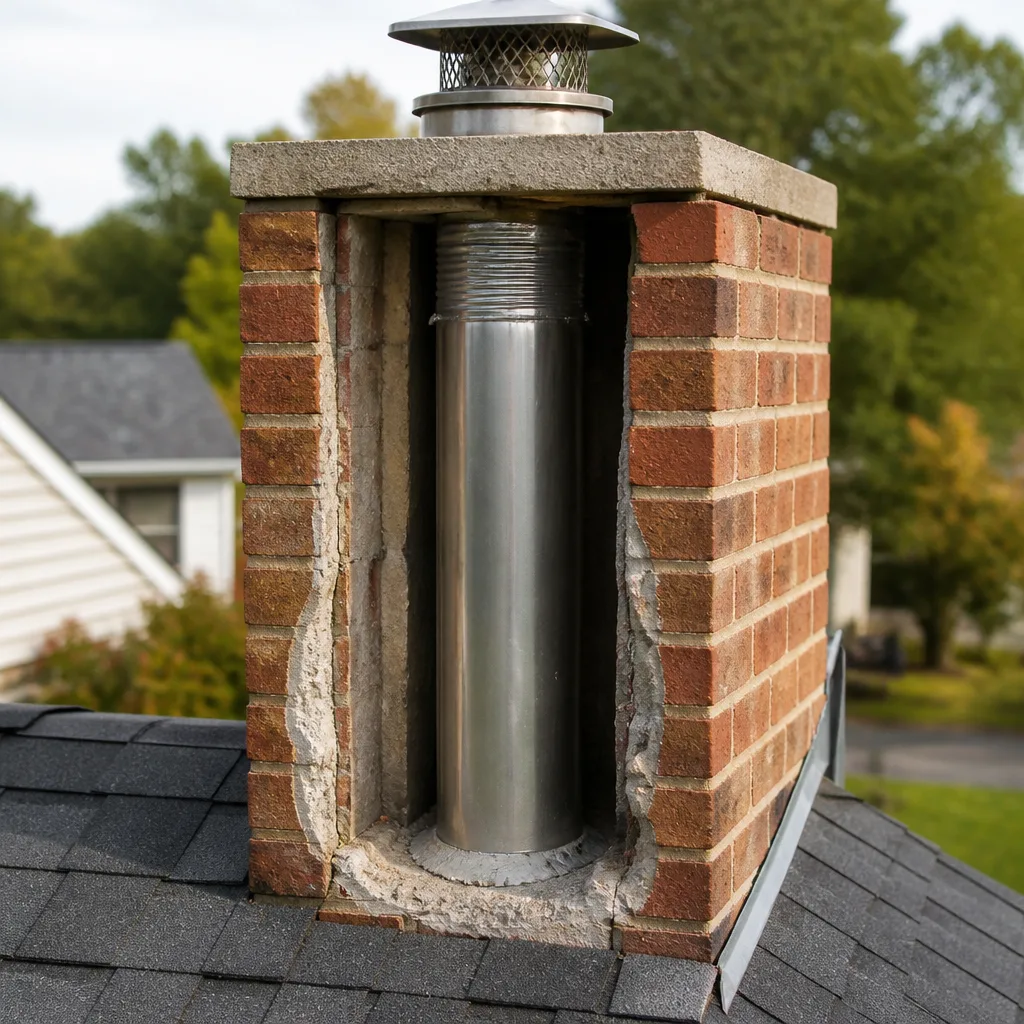
When you do work with us, the inspection and the repair come from the same technician. That’s a meaningful difference: if a sweep turns up a weak liner, we don’t hand you a referral and wave goodbye. We diagnose and remedy in the same visit, using the professional-grade brands the trade trusts.
Common Mistakes to Avoid
- Sweeping in fall instead of late spring. The national habit leaves creosote sitting through the humid months. In Eagle Rock, sweep after the last fire of the season, not at the start of the next.
- Sealing the flue airtight for the summer. The plug that stops cold drafts also traps humidity. A flue that can’t breathe in summer is a flue that grows moisture problems in fall.
- Skipping the crown check because the cap looks fine. The cap handles the top, the crown sheds water off the masonry. A hairline crown crack is one of the most common entry points for summer moisture in Eagle Rock.
- Neglecting the check after Santa Ana winds. Wind-blown debris and downdraft dust end up in the flue and under the cap. A blocked flue smokes back, and you don’t want to find that out at the start of a fire.
- Treating the fireplace as separate from the chimney. A cracked firebox, a sticking damper, and a degraded flue are one system. Repair the whole thing, not just the part that made noise.
- Ignoring masonry dust at the chimney base. A little grit near the base means the flue or crown is degrading. By the time the crack is visible from the window, it’s already been leaking for a summer.
- Letting a plugged cap go through summer. A cap that’s filled with leaves and twigs is worse than no cap at all – it traps moisture and invites nesting. Clear it after wind events.
When to Call a Professional
Some chimney work is basic housekeeping – clearing debris, watching the crown, adjusting the damper. The rest should go to a trained professional, and the signs to call are specific. Call if the flue has not been swept or inspected in over a year, if the crown is cracked or chipped, if smoke rolls into the room when you light a fire, if you find masonry dust at the base of the chimney, if the cap is loose or missing, or if you’ve just bought an older Eagle Rock home and don’t know the chimney’s history. Call after any hard wind event if the flue seems slow to draw. And call before lightning the first fire of the season if the spring sweep wasn’t done.
Chimney Sweep Eagle Rock offers free estimates in Eagle Rock – call (855) 506-8977. We answer 24/7. Fast dispatch from 7am to 7pm, Sunday through Friday. One call covers inspection, cleaning, and repair – no second-opinion waiting game.
Frequently Asked Questions
Late spring, right after your last fire of the season. Clearing creosote before the idle, humid summer keeps it from sitting on the flue for months, and it gives you an inspection window when problems are still small. Fall is the national habit, but by fall the summer moisture has already done its work.
Yes – the sweep clears the flue, but the inspection tells you what the sweep found and what needs attention. Given how much happens to a chimney through the warm months here, an annual inspection in late spring or early summer catches problems before they turn into structural repairs. If you’ve never had one in an older home, it’s the single most useful appointment you can make.
The flue doesn’t stop needing care just because you don’t call – it just does it without you. Creosote can sit and interact with summer humidity, the crown can crack a little more, and pests can move in through an unsecured cap. None of that is visible from the ground, so the first sign you’ll get is a flue that doesn’t draw properly at the start of the season. A spring sweep and inspection each year prevents all of that. Call (855) 506-8977 for a free estimate if it’s been a while.
Check the cap and cap screen for anything blown loose, look for signs of debris in the flue (smoke back from a fire is the main clue), and glance at the crown for fresh chips or cracks. If the fire smokes back or the flue seems slow to draw, get it looked at before lighting it again.
Keep the cap on, leave the flue able to breathe, and use a plug that lets some moisture exchange rather than an airtight lid. Check the crown first – if it’s cracked, sealing the bottom won’t help because water is coming in from the top. A flue that can’t breathe through the warm months is one of the most common moisture problems we see in Eagle Rock.
Yes – that’s the difference between us and a sweep-only company. Cleaning, inspection, cap and crown, fireplace repair, and full chimney repair are all one service here. If a sweep turns up a weak liner, we can address it in the same visit with HeatShield resurfacing or with DuraFlex liner materials, and if it’s a crown or cap issue, we use recognized brands like Gelco, Famco, and Olympia Chimney. Contractors working with professional-grade brands and one accountable team from diagnosis to remedy.
The Bottom Line
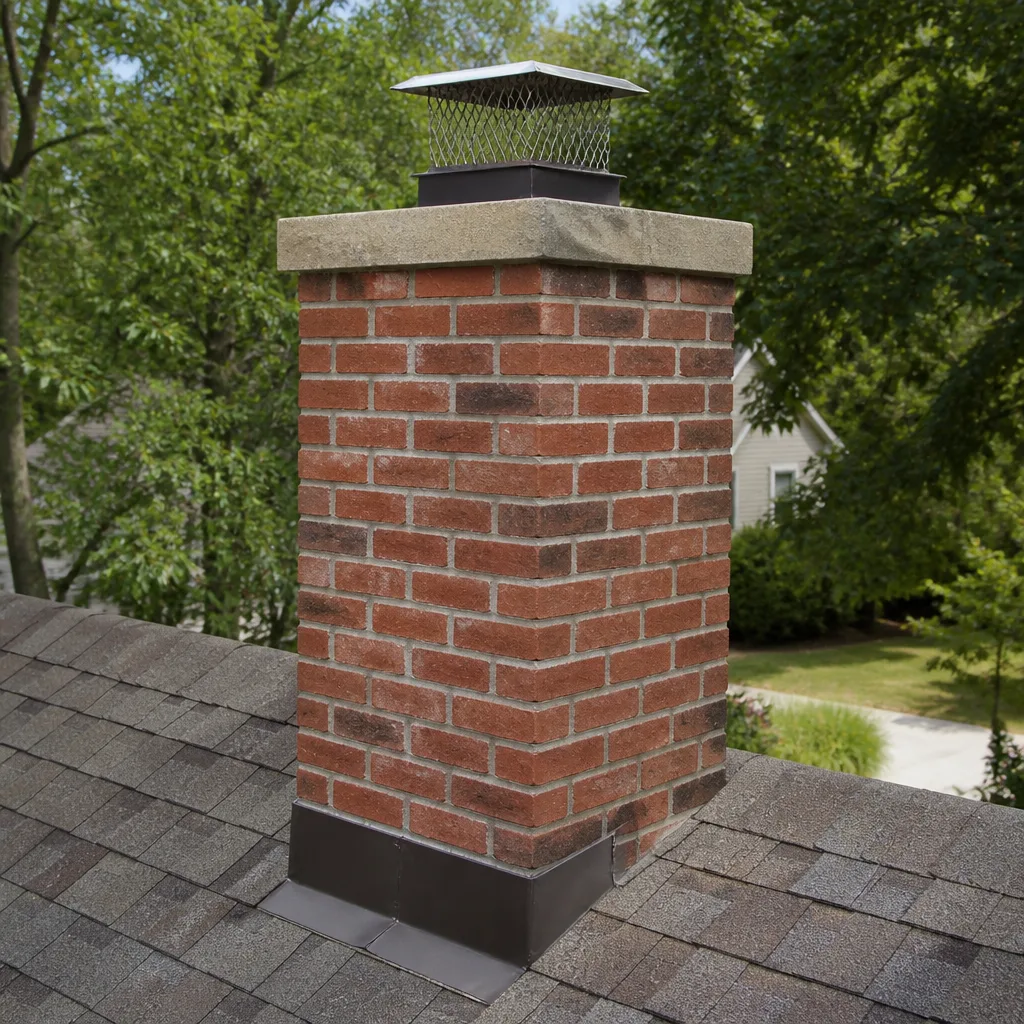
The seasonal rhythm for Eagle Rock is simple once you see it: sweep in late spring, inspect in early summer, protect the crown before the humid months, check after Santa Ana winds, and keep the flue able to breathe when it’s idle. The problems you’d discover in November were almost always set in motion in April. Protecting the whole system – cap, crown, flue, firebox – year-round is what keeps a chimney sound, and the best time to start is before the fire season rather than after.
Whether it’s a routine chimney sweep, a crown repair, or a full inspection, the same team handles it start to finish. Call (855) 506-8977. We answer 24/7. Fast dispatch from 7am to 7pm, Sunday through Friday. Estimates are free.
Related
- Chimney Sweep Eagle Rock – the home page for the full range of chimney services in Eagle Rock.
- chimney cap & crown – protection work that keeps summer moisture out of the flue.
- fireplace repair – fixing the firebox and damper so the flue does its job.
Written by the team at Chimney Sweep Eagle Rock.