
Last updated November 22, 2026
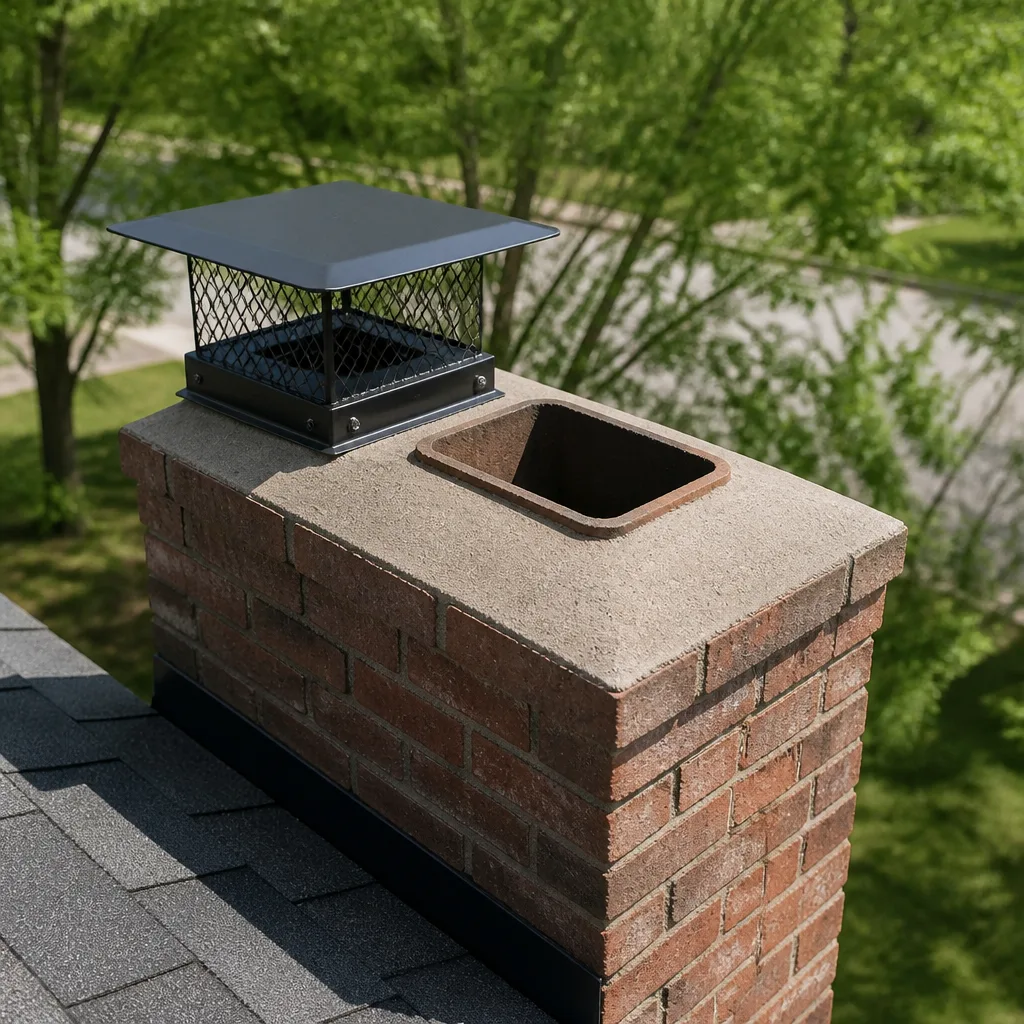 Sweep & inspection
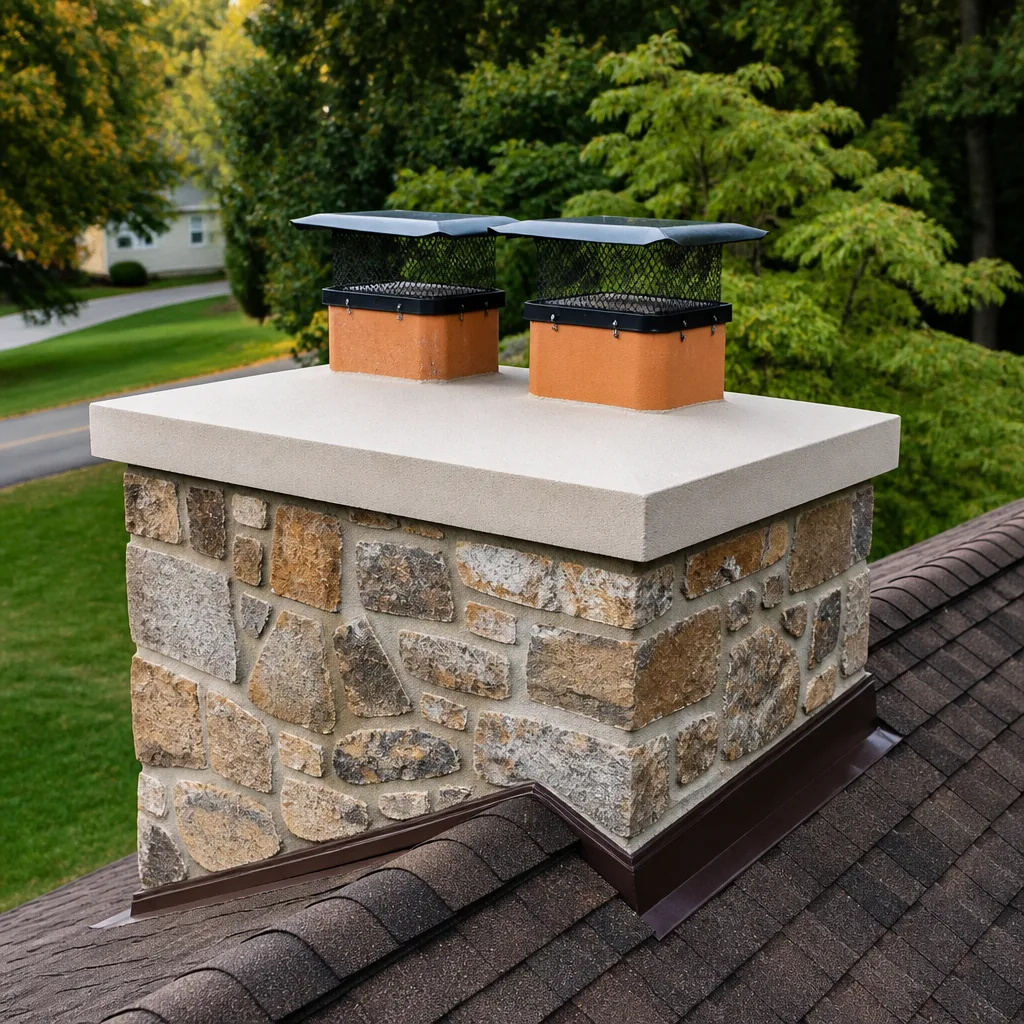 Caps & crowns
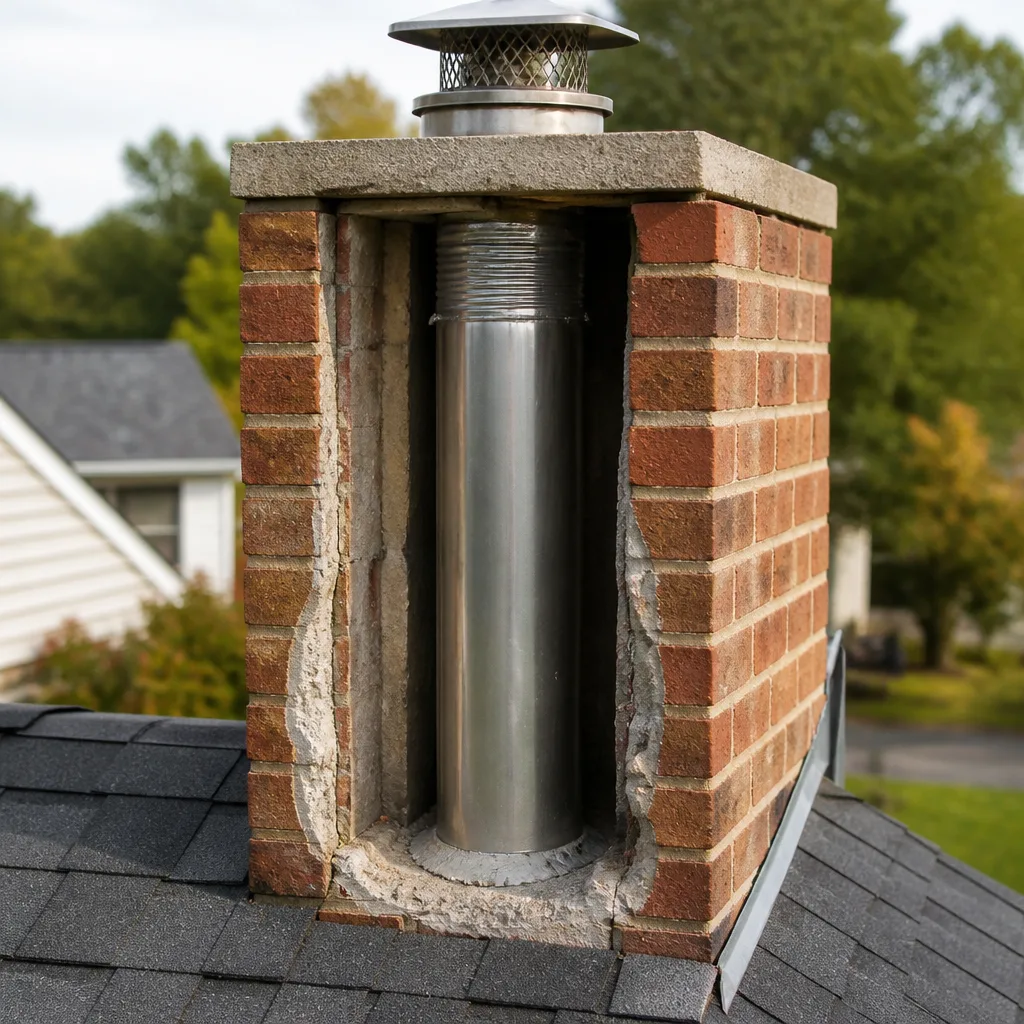 Flue relining
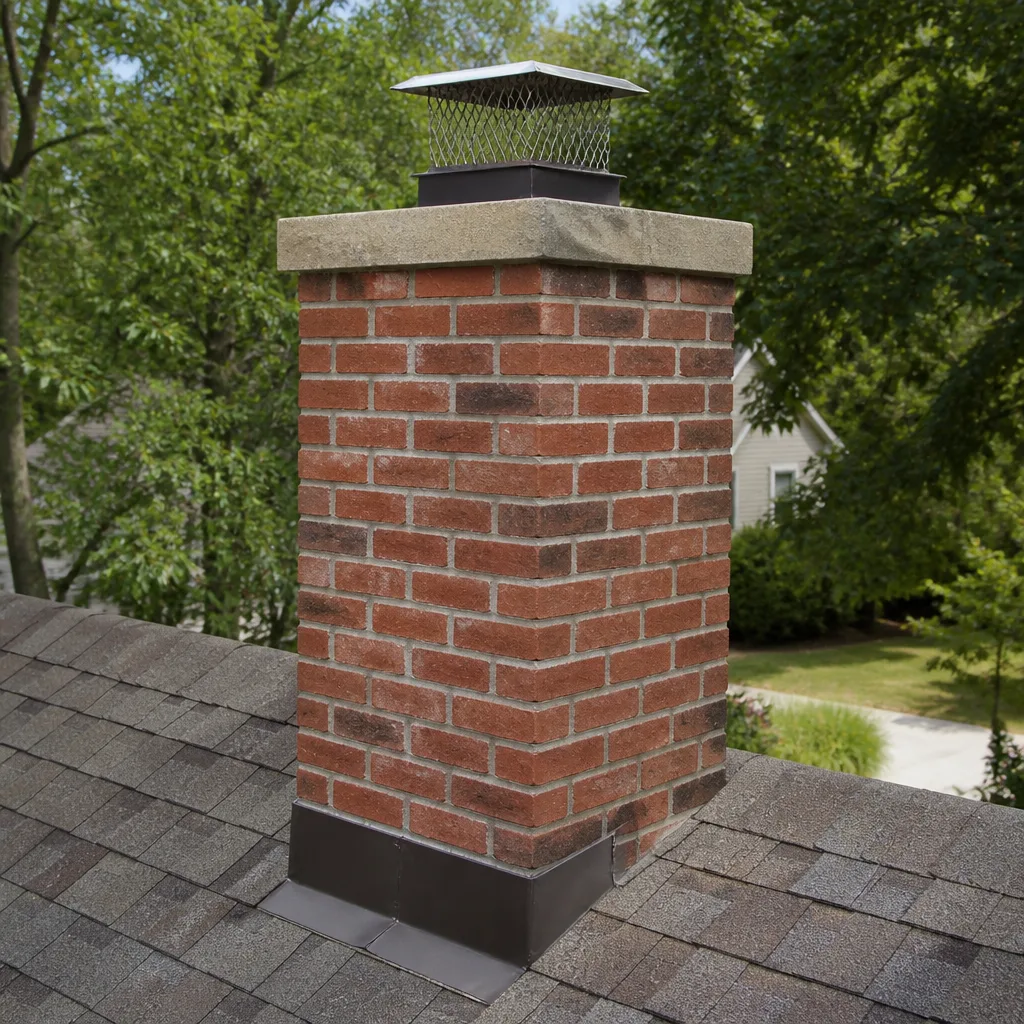 Masonry repair
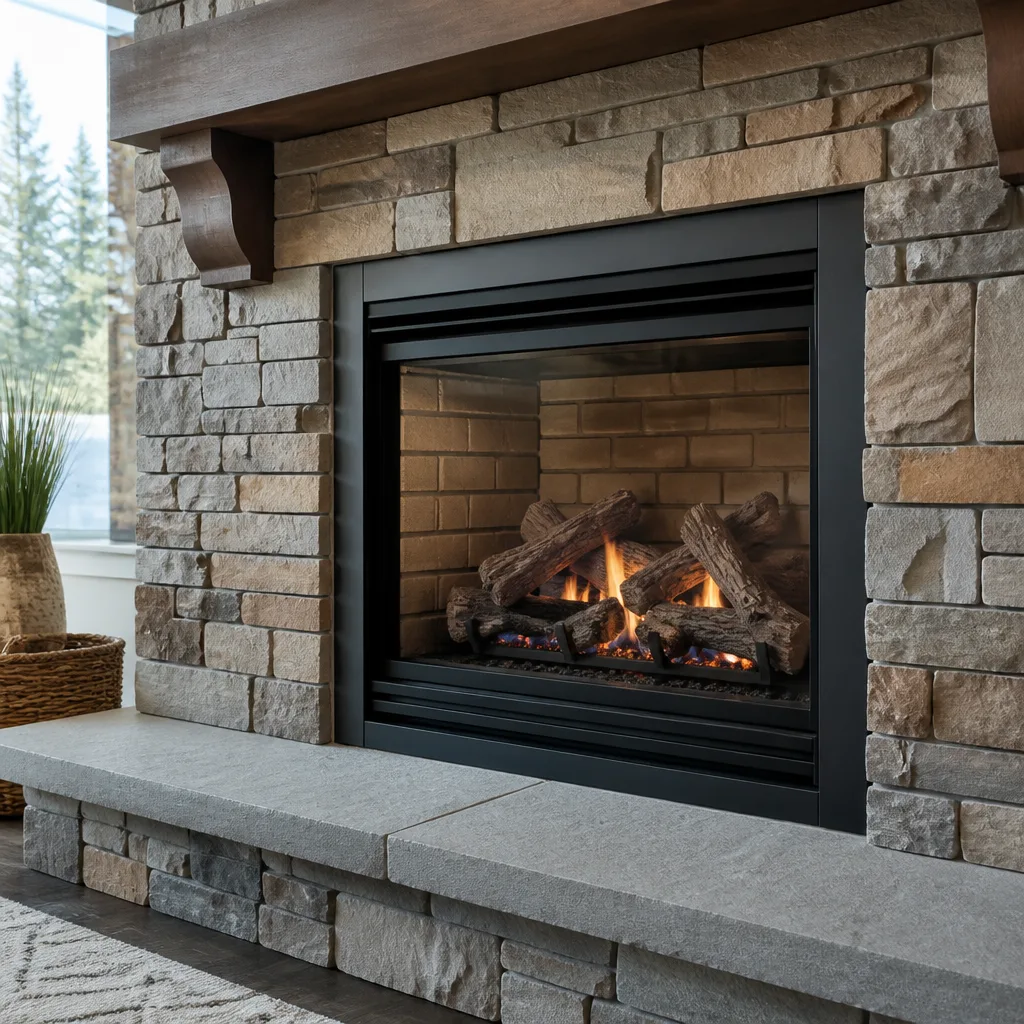 Gas fireplace service
Level 1 sweep and inspection to the NFPA 211 annual standard - flue, crown, cap, and flashing checked and photographed
Chimney sweep logs do not sweep chimneys. They loosen some creosote - which then falls where a brush and vacuum still have to collect it.
Chimney Cleaning Permits, Codes & Inspections in Eagle Rock, CA: What You Need to Know
Most people assume the permit question comes up before the work begins. In our experience, it usually comes up years later, in the middle of a home sale, when an inspector flags a liner that was relined without a record and the seller is hearing about it for the first time. That’s the part nobody warns you about. A routine sweep in Eagle Rock needs no permit at all, but the moment a job crosses into liner work, insert installation, or masonry repair, the rules change. This guide lays out exactly where that line sits, how SCAQMD Rule 445 affects your fireplace, what Title 24 has to do with your damper, and what “code compliant” really means for an older Eagle Rock home.
Quick Answer
Routine chimney sweeping and Level 1 inspections in Eagle Rock require no building permit. Liner replacement, fireplace insert installation, and structural masonry or chimney repair generally do require a permit from the Los Angeles Department of Building and Safety, and work on an older flue often triggers additional code requirements. Separately, SCAQMD Rule 445 limits new wood-burning appliance installations in the region but does not ban burning in an existing fireplace, and a Level 2 inspection is commonly requested during real estate transactions.
Styles & brands we work with
- Sweep & inspection
- Caps & crowns
- Flue relining
- Masonry repair
- Gas fireplace service
Table of Contents
- Which Chimney Jobs Need a Permit in Eagle Rock and Which Don’t
- SCAQMD Rule 445: What It Restricts and What It Doesn’t
- How California Title 24 Touches Your Damper
- The Level 2 Inspection and Real Estate Transactions
- What Code Compliance Means for Pre-1980s Eagle Rock Chimneys
- How the Permit Process Works, Step by Step
- Keeping Records: What Future Buyers and Insurers Want to See
Which Chimney Jobs Need a Permit in Eagle Rock and Which Don’t
The cleanest way to think about it: cleaning is maintenance, and repairs are construction. Sweeping removes creosote and doesn’t alter the structure of the flue, so there’s nothing for the city to inspect. Once a job changes the flue itself, adds a component, or touches the chimney’s masonry or framing, you’re likely in permit territory.
Here’s how the split usually falls in Eagle Rock:
- No permit typically required: routine sweeping, Level 1 inspection, cap replacement where no structural change is involved, minor firebox cleaning, and damper adjustment that doesn’t replace the assembly.
- Permit typically required: liner replacement or relining, fireplace insert installation, new chimney construction or major rebuild, structural masonry repair, and any change to the flue’s dimensions or venting path.
- Depends on scope: crown repair, top-sealing damper installation, and chase cover replacement. A like-for-like swap may be treated as maintenance; a change in method or materials may trigger a permit.
We won’t tell you a specific job definitely does or doesn’t need a permit without checking with the Los Angeles Department of Building and Safety, because the answer depends on scope and on what’s already in the flue. What we can tell you is that unpermitted liner work is one of the most common items that surfaces in an Eagle Rock home sale, and it’s almost always the seller who’s surprised. If you’re planning anything beyond a sweep, build the permit question into the plan from the start rather than discovering it at closing.
A chimney sweep is the right first step either way, because the inspection that comes with it tells you what scope you’re actually dealing with.
SCAQMD Rule 445: What It Restricts and What It Doesn’t
SCAQMD Rule 445 is the South Coast Air Quality Management District rule that governs wood-burning appliances in this region. The most common misreading is that it bans fireplaces. It doesn’t. Rule 445 primarily restricts the installation of new wood-burning devices and sets requirements around what can be installed and used, and it includes provisions for no-burn days when air quality is poor. Your existing fireplace in Eagle Rock isn’t made illegal by the rule.
What it does mean for an Eagle Rock homeowner:
- Installing a new wood-burning fireplace or a new wood stove is tightly restricted in this district, and a permit is part of that process.
- A gas or pellet appliance is treated differently from a wood-burning one.
- When the district calls a no-burn day, wood burning is restricted regardless of whether your fireplace is legal.
- Rule 445 doesn’t excuse you from sweeping. Creosote accumulation is a fire risk independent of any air quality rule.
This matters most when people are planning a remodel and want to add a fireplace or swap an old wood-burner for something new. That’s the moment Rule 445 becomes a real constraint, and it’s worth checking with the district and the city before you buy an appliance. For everyone else, the rule is background: keep burning clean, respect no-burn days, and keep the flue clear. A sweep and inspection tells you whether your existing setup is safe to use, which is a separate question from what the district allows you to install.
How California Title 24 Touches Your Damper
Title 24 is California’s energy code, and it reaches into the chimney through one specific component: the damper. An open damper is a hole in your building envelope. In a mild-winter climate like Eagle Rock’s, that matters less for heat loss in January than you’d think, but it matters plenty for the conditioned air your home is trying to hold onto the rest of the year.
Two damper situations come up in Title 24 conversations:
- Damper replacement. When a damper is replaced as part of a permitted job, the replacement needs to meet current requirements. A standard throat damper that seals adequately is one thing; a damper that doesn’t close fully is a different matter.
- Top-sealing damper installation. A top-sealing damper sits at the top of the flue and seals the chimney from above, which is a different approach than a throat damper. It’s often installed alongside a cap, and it’s the kind of change that may bring Title 24 into the conversation depending on how the job is scoped.
Here’s the practical part. Title 24 compliance isn’t something you evaluate by looking at the damper from the firebox. It requires knowing what’s installed, how it seals, and what the permit scope covers. That’s why we treat damper work as part of a larger inspection rather than a standalone swap. When we install a top-sealing damper or a chimney cap & crown, we’re looking at the whole top-of-flue assembly, not just the piece we’re replacing, because the parts interact and the code questions follow the assembly.
If you’re replacing a damper as part of a larger job, ask your contractor which code requirements apply before the work starts. The answer changes with scope.
The Level 2 Inspection and Real Estate Transactions
A Level 2 inspection is the one that gets requested during a home sale, and it’s the one most Eagle Rock buyers have never heard of until their agent mentions it. Level 1 is a visual check of accessible portions of the chimney. Level 2 adds a video scan of the flue interior and access to areas that aren’t visible without a camera, including attics, crawl spaces, and concealed sections of the chimney. A Level 3 goes further still, opening up concealed areas when a problem is suspected.
When a Level 2 gets triggered:
- Real estate transactions. Buyers and their inspectors commonly request one, and a lender may want documentation of chimney condition before closing.
- After a chimney fire or a seismic event. Any event that could have damaged the flue warrants a camera-level look.
- After a change in fuel type or appliance. Switching between wood, gas, and pellet changes what the flue needs to handle.
- When you’ve bought an older home and don’t have records. If you don’t know when the flue was last looked at, a Level 2 answers the question directly.
From the seller’s side, the important thing is timing. Getting a Level 2 done before you list means you know what the buyer’s inspector will find, and you can address a liner issue on your own schedule rather than under contract pressure. From the buyer’s side, the camera scan is what separates “the chimney looks fine from the outside” from “the flue interior is intact.” The photo and video report is yours to keep, and it’s what a lender or insurer will want to see.
We perform Level 2 inspections and can act on what the scan shows, which matters because a diagnosis you can’t act on is only half useful.
What Code Compliance Means for Pre-1980s Eagle Rock Chimneys
Eagle Rock has a lot of older housing stock, and a chimney built before the 1980s was constructed to standards that have since been revised. That doesn’t make it illegal. Existing chimneys are generally allowed to remain as they are until a repair or alteration triggers a compliance requirement. The tricky part is knowing whether a given change crosses that threshold.
What changes for an older flue:
- Liner standards. Current requirements around flue liners and their sizing and material differ from what was common decades ago. A reline today has to meet today’s standard, even if the original flue didn’t.
- Clearances. Clearance to combustibles is a classic issue in older homes where a chimney was built close to framing. A repair that touches that area can bring clearance into scope.
- Appliance changes. Swapping an open fireplace for an insert changes the venting requirements, and the flue often has to be brought up to current standards to match.
This is the point where we usually see two paths. A flue in decent shape with an intact liner can often keep serving as it is, with sweeping and inspection on a regular schedule. A flue with a deteriorated liner needs restoration before it can be used safely, and that’s where HeatShield liner resurfacing comes in. HeatShield is a restoration method for a damaged flue, and it’s a different approach than tearing out and relining. It’s also the kind of capability that most sweep-only services don’t offer, which is why we lean on it when the scan shows a liner that’s failing but the flue itself is still structurally sound.
If you’re planning a fireplace repair on an older Eagle Rock home, the compliance question is worth asking before the work begins, not after.
How the Permit Process Works, Step by Step
The permit process isn’t complicated once you know the sequence. Here’s how it typically goes for a job that requires one:
- Inspection first. Before anyone files anything, you need to know the scope. A Level 2 inspection with a camera scan gives you the facts the permit application needs.
- Confirm the requirement. Check with the Los Angeles Department of Building and Safety on whether your specific job requires a permit. The answer depends on scope, not on the type of service in the abstract.
- Submit the application with the scope. The permit describes what’s being done. A vague scope means a vague permit, which creates problems later.
- Do the work. The repair or installation is performed to the permitted scope, using the materials the scope specifies. This is where brand matters. We work with professional-grade lines like DuraFlex, HeatShield, Gelco, and Olympia Chimney because the materials have to match what the permit describes.
- Get the inspection. The permitting authority inspects the finished work. This is the step that creates the record a future buyer will want to see.
- Keep the paperwork. The final inspection record, the permit number, and the inspection report belong in your home file.
The part most homeowners underestimate is step one. If you skip the inspection and file for a permit based on what you think the job is, you can end up with a permit that doesn’t cover the work that actually needs doing. That’s a problem at inspection time, and it’s a worse problem at sale time. A camera scan before the application is the cheapest insurance against that.
Keeping Records: What Future Buyers and Insurers Want to See
The permit question is really a records question. When a buyer’s inspector asks whether the liner was relined, the answer isn’t “yes, I think so.” It’s a report, a permit, and a final inspection. When an insurer asks whether the chimney is safe to use, the answer is a Level 2 report with photos of the flue interior.
What’s worth keeping on file for an Eagle Rock home:
- Sweep and inspection reports, with the date and what was found.
- The camera scan photos or video from any Level 2 inspection.
- Permit numbers and final inspection records for any liner, insert, or masonry work.
- Manufacturer documentation for any damper, cap, or liner product installed.
- Any restoration or resurfacing documentation, including what material was used.
This isn’t paperwork for its own sake. A clean file shortens the chimney conversation during a sale, answers the insurer’s question without a second visit, and gives the next owner a baseline to work from. The alternative is what we see most often: a flue with no history, a buyer’s inspector flagging something, and a seller trying to reconstruct what happened years earlier. Building the file is easier than rebuilding it.
Common Mistakes to Avoid
- Assuming a sweep covers the inspection. A sweep removes creosote; an inspection evaluates the flue. They’re separate steps, and skipping the inspection means you don’t know the condition of what you just cleaned.
- Filing a permit before the scan. Applying for a permit based on an assumed scope is how you end up with a permit that doesn’t cover the actual work. Get the camera scan first, then file.
- Treating Rule 445 as a fireplace ban. It restricts new installations and sets no-burn provisions. It doesn’t make your existing Eagle Rock fireplace illegal, and treating it as a ban leads people to make unnecessary changes.
- Replacing a damper without considering Title 24. Damper work can carry energy code requirements. A swap that ignores them creates a compliance question later.
- Selling without a Level 2. A buyer’s inspector will often request one. Getting it ahead of the listing means you know the answer before the buyer does.
- Relining without checking the existing liner’s condition. Tearing out a restorable liner is unnecessary work. HeatShield resurfacing can address a failing liner when the flue is still structurally sound, and the scan tells you which situation you’re in.
- Losing the paperwork. A permit that can’t be produced is a permit that didn’t happen, as far as the next buyer or insurer is concerned.
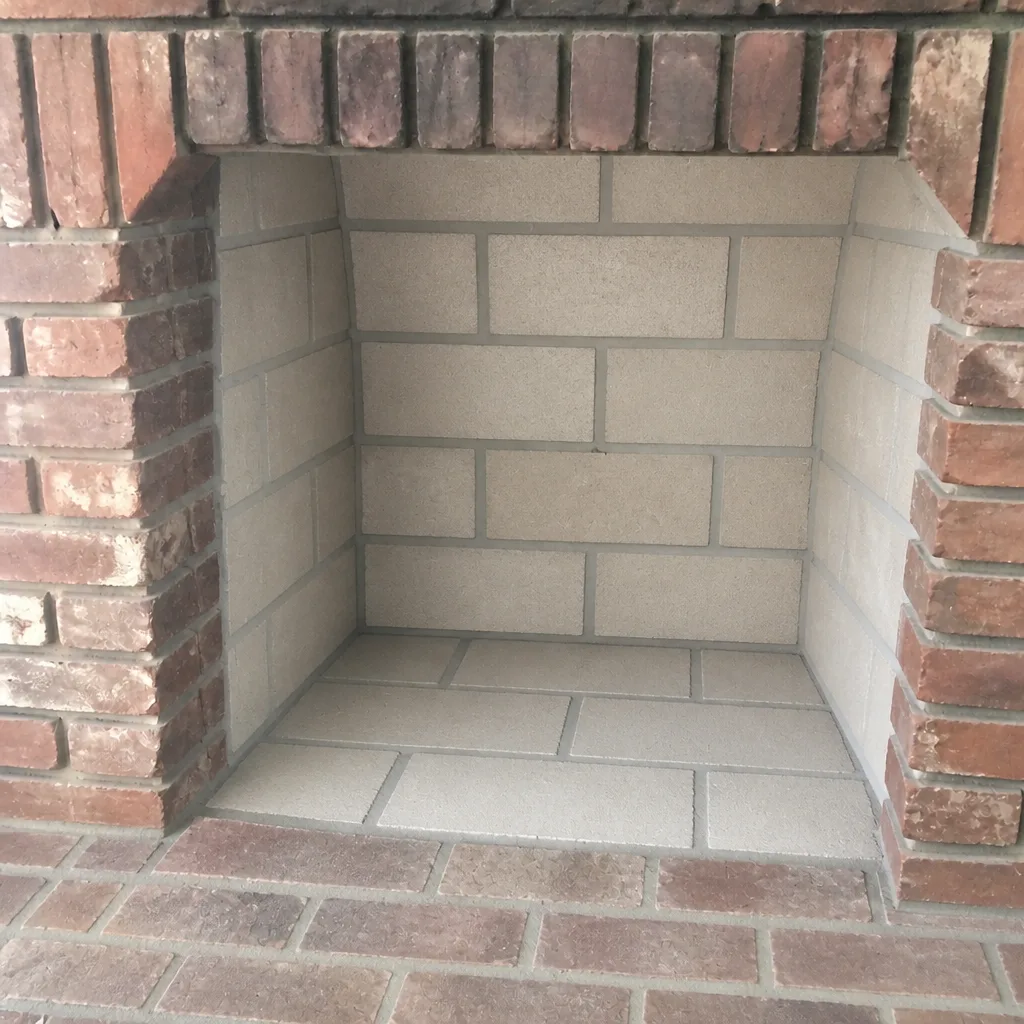
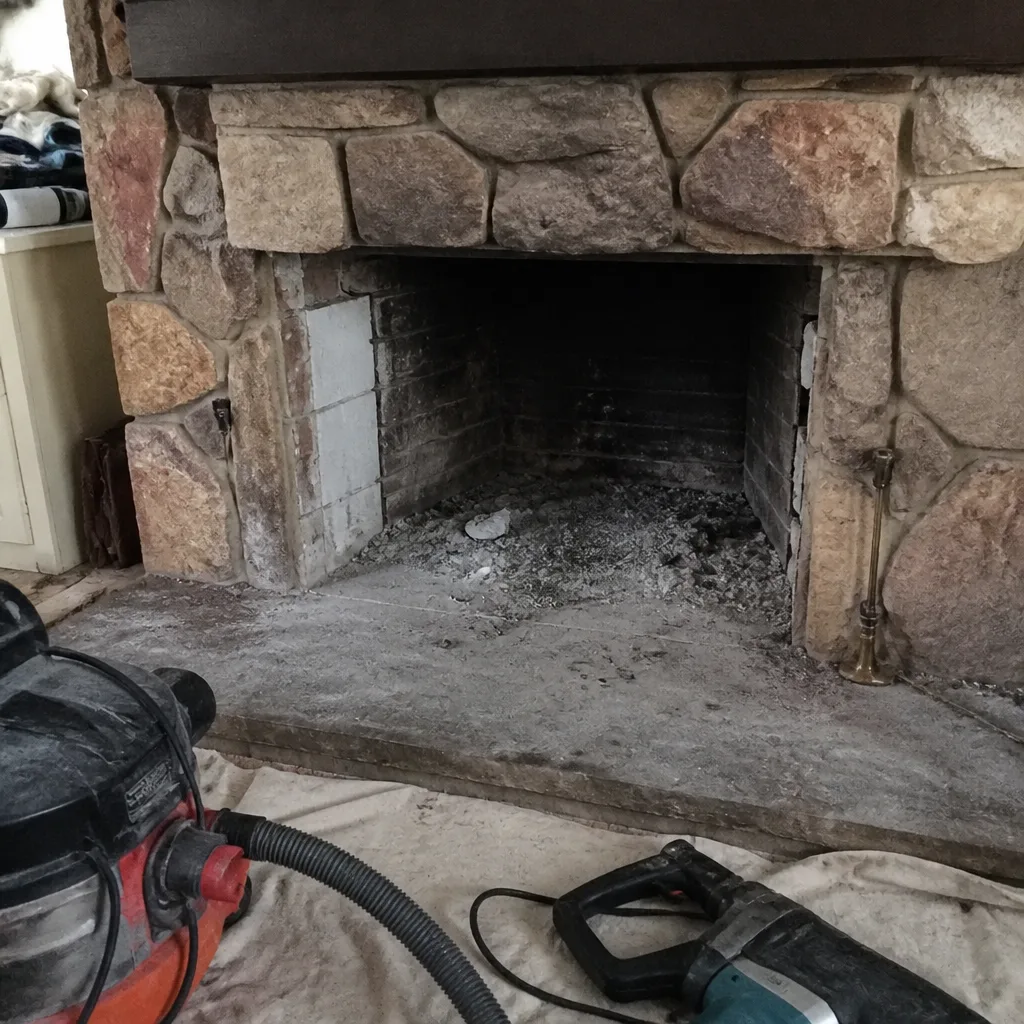
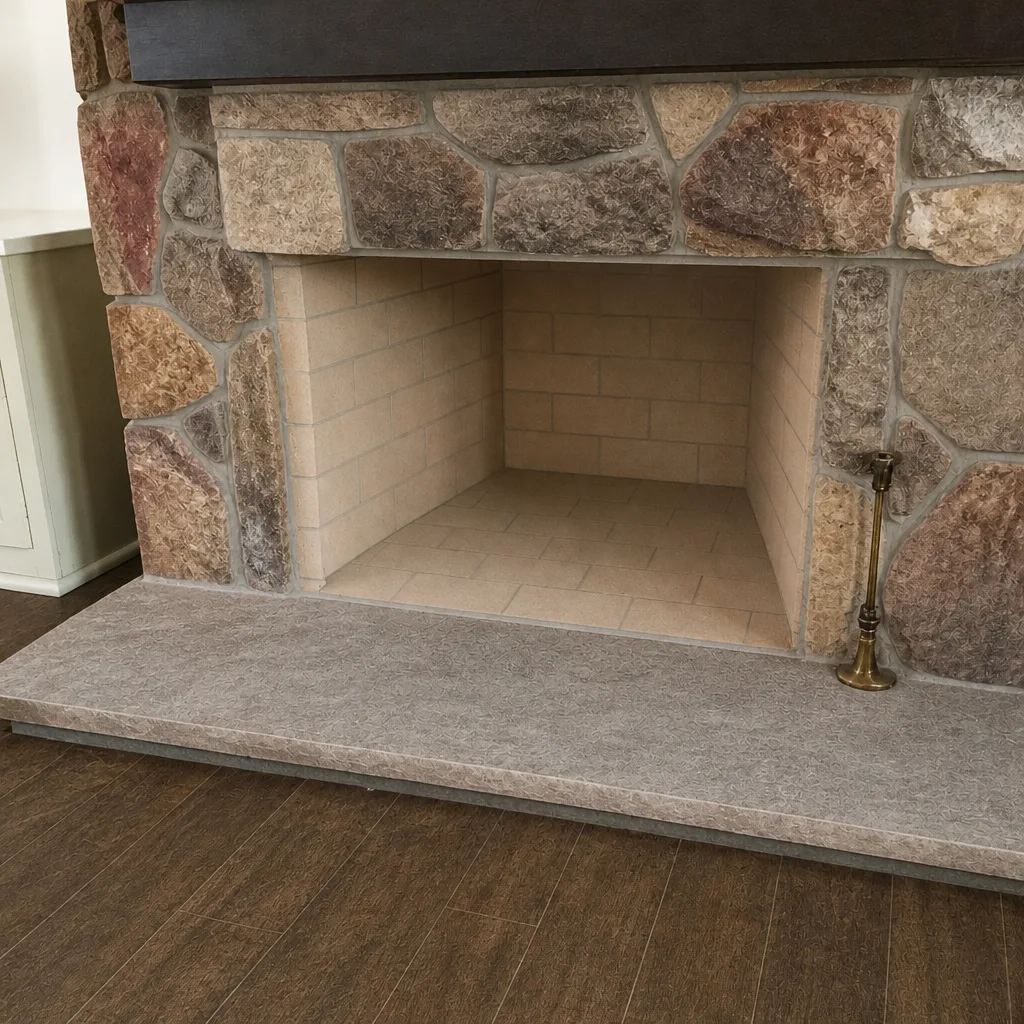
See the difference
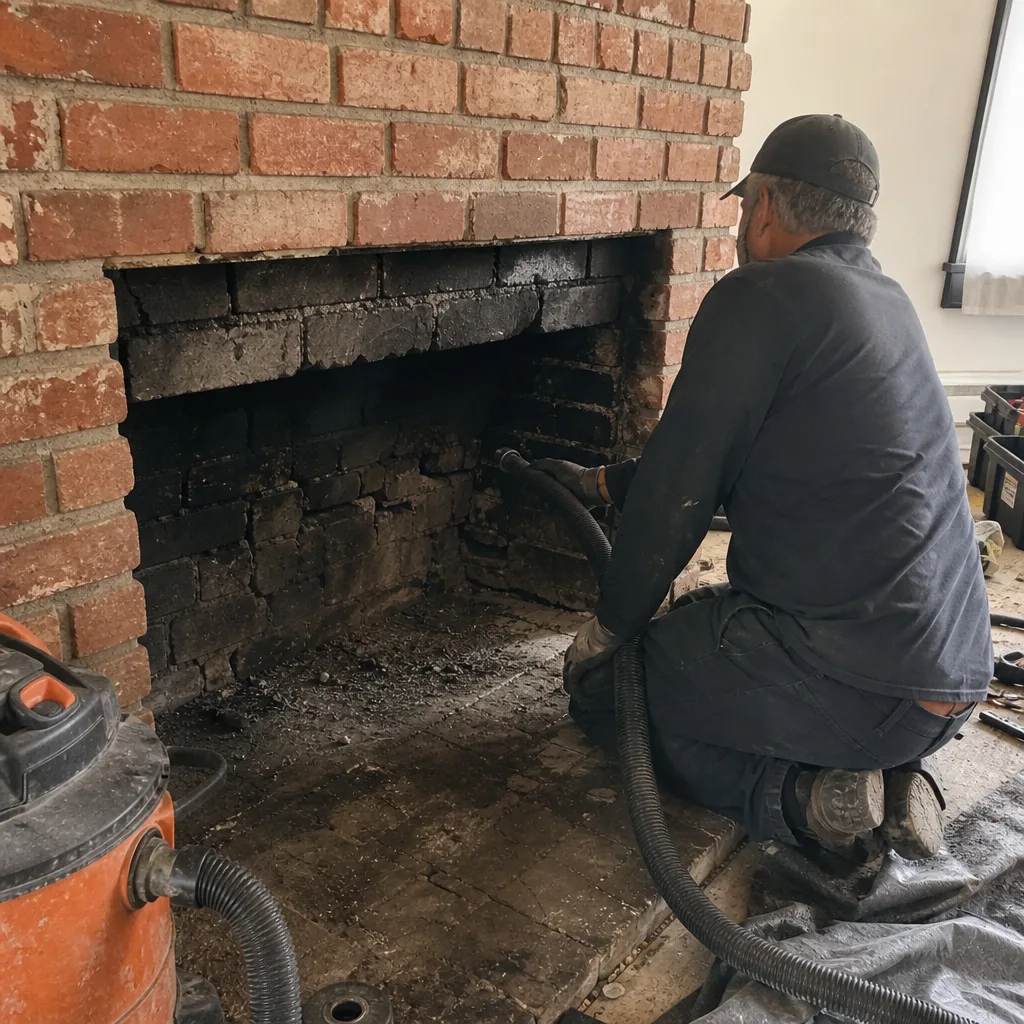 Before
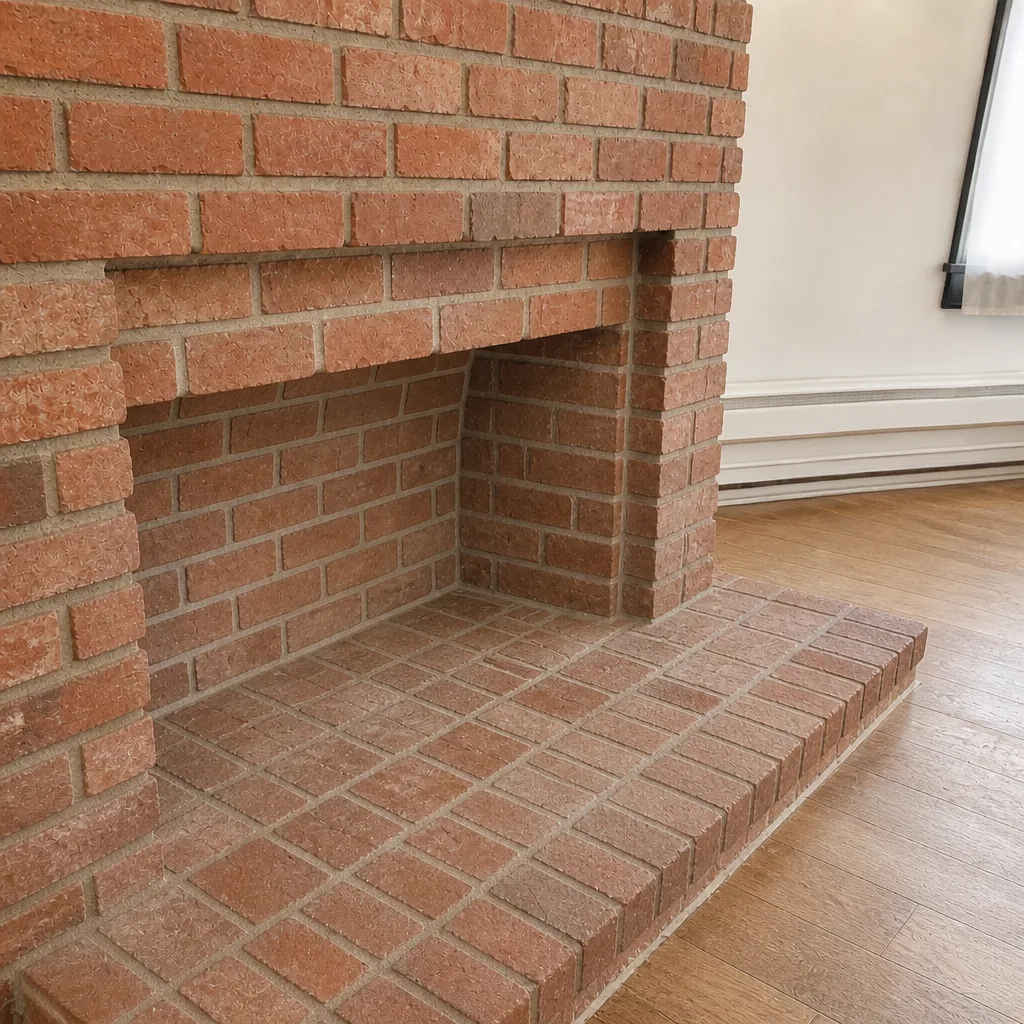 After
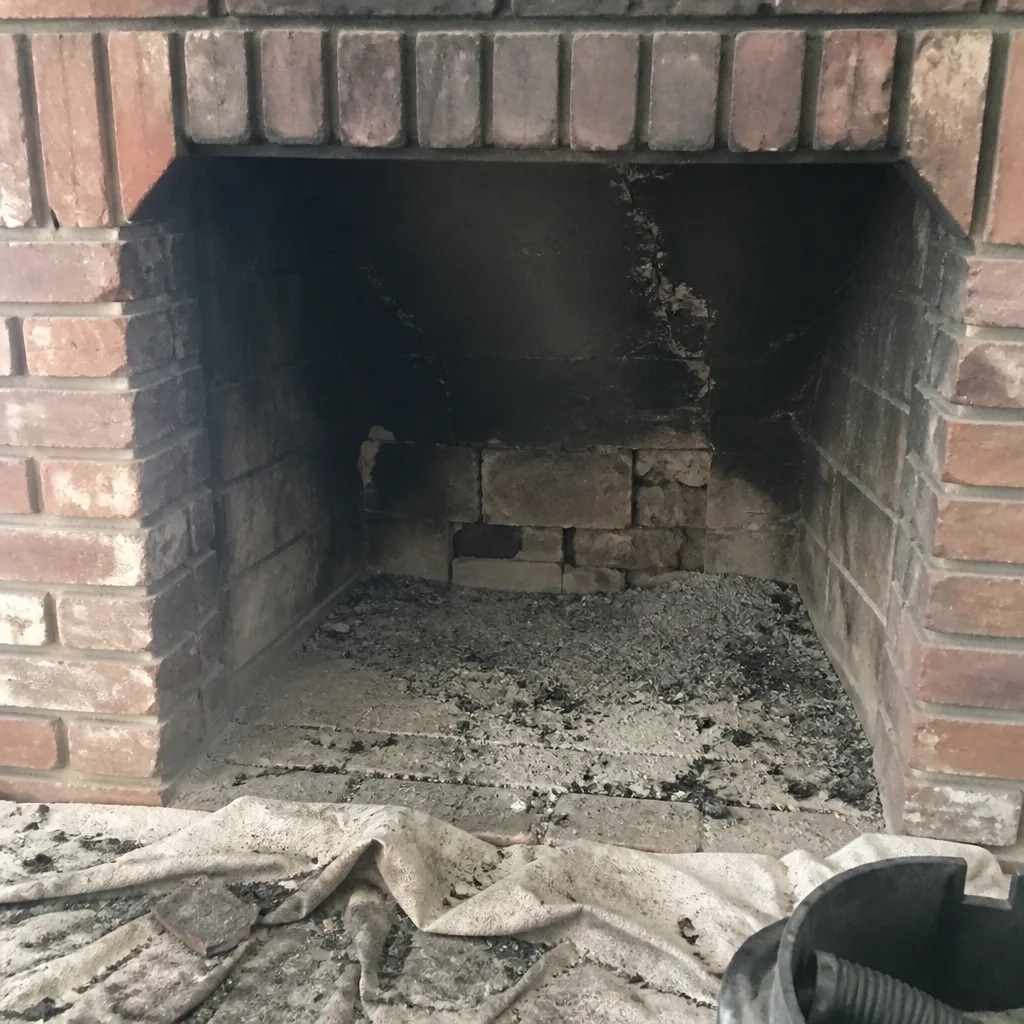 Before
 After
 Before
 After
When to Call a Professional
Call when the job involves anything beyond a routine sweep. If you’re planning a liner replacement, insert installation, or masonry repair, the permit and compliance questions need a professional who can read the flue and scope the job correctly. Call if you’re preparing to sell an Eagle Rock home and don’t have chimney records. Call if you’ve bought an older home and have no idea when the flue was last inspected. Call if SCAQMD no-burn days or a planned appliance change have you unsure what’s allowed. And call if the last inspection was long enough ago that you can’t remember the date, because a flue’s condition changes with use. A camera scan answers all of it, and the report is yours.
Chimney Sweep Eagle Rock offers free estimates in Eagle Rock – call (855) 506-8977. We answer 24/7. Fast dispatch from 7am to 7pm, Sunday through Friday.
Frequently Asked Questions
No. Routine chimney sweeping and a Level 1 inspection don’t require a building permit in Eagle Rock, because cleaning doesn’t alter the structure of the flue. Permits come into play when a job changes the flue itself, such as liner replacement, insert installation, or structural masonry repair. If you’re unsure which category your job falls into, an inspection answers it before anyone files anything.
No. Rule 445 primarily restricts new wood-burning appliance installations in the South Coast Air Quality Management District and includes no-burn day provisions when air quality is poor. Your existing fireplace isn’t made illegal by the rule. Burning on a no-burn day is restricted regardless. Call (855) 506-8977 for an exact quote on a sweep – estimates are free.
A Level 2 inspection adds a video scan of the flue interior and access to concealed areas beyond what a Level 1 visual check covers. Buyers request one during real estate transactions because it’s the inspection that can actually see the condition of the liner. Lenders and insurers may also ask for the documentation. Getting it before you list means you know what the buyer’s inspector will find.
No. Existing chimneys are generally allowed to remain as they are until a repair or alteration triggers a compliance requirement. Current liner standards differ from what was common decades ago, so a reline today has to meet today’s standard even if the original flue didn’t. The practical question is whether the liner is intact, and a camera scan answers that directly. Call (855) 506-8977 for an exact quote – estimates are free.
It can. Title 24 is California’s energy code, and a damper replacement done as part of a permitted job needs to meet current requirements. Top-sealing damper installation is often scoped alongside a cap and involves the whole top-of-flue assembly. The requirements depend on the scope of the job, so it’s worth asking which ones apply before the work starts.
Often, yes. Unpermitted chimney liner work is one of the more common items that surfaces during an Eagle Rock home sale, usually because the buyer’s inspector requests documentation and there isn’t any. The fix is records: a permit number and a final inspection record for any liner, insert, or masonry work. If you don’t have them, a current inspection report is the next best thing.
The Bottom Line
The permit question in Eagle Rock comes down to scope. Sweeping and a Level 1 inspection need no permit; liner replacement, insert installation, and structural masonry work generally do. SCAQMD Rule 445 restricts new wood-burning installations and sets no-burn days but doesn’t ban your existing fireplace. Title 24 reaches the damper when a replacement is part of a permitted job. A Level 2 inspection with a camera scan is what tells you which category you’re in, and it’s what buyers, lenders, and insurers want to see. Keep the records. If you’re unsure where your job falls, start with an inspection rather than a guess.
Call (855) 506-8977 for a free estimate. We answer 24/7. Fast dispatch from 7am to 7pm, Sunday through Friday.
Written by the team at Chimney Sweep Eagle Rock.