
Last updated November 22, 2026
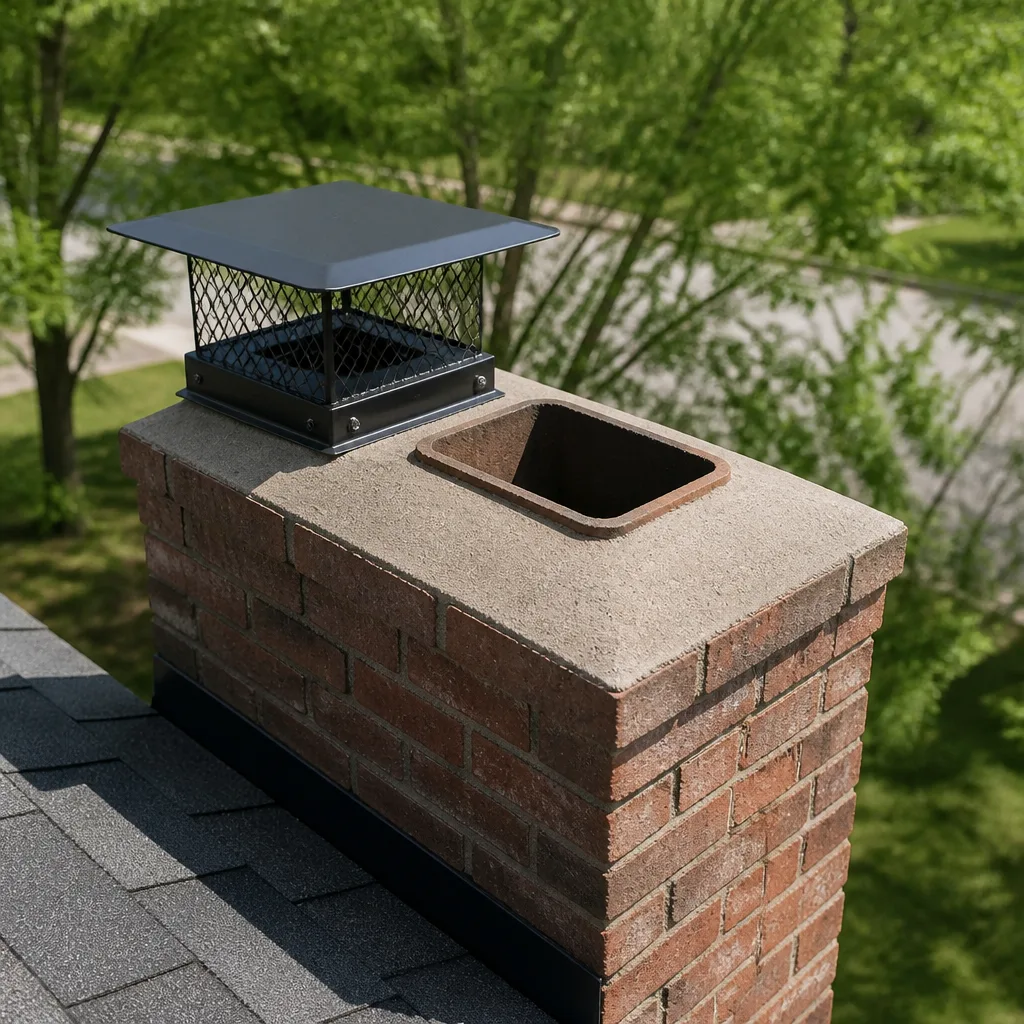 Sweep & inspection
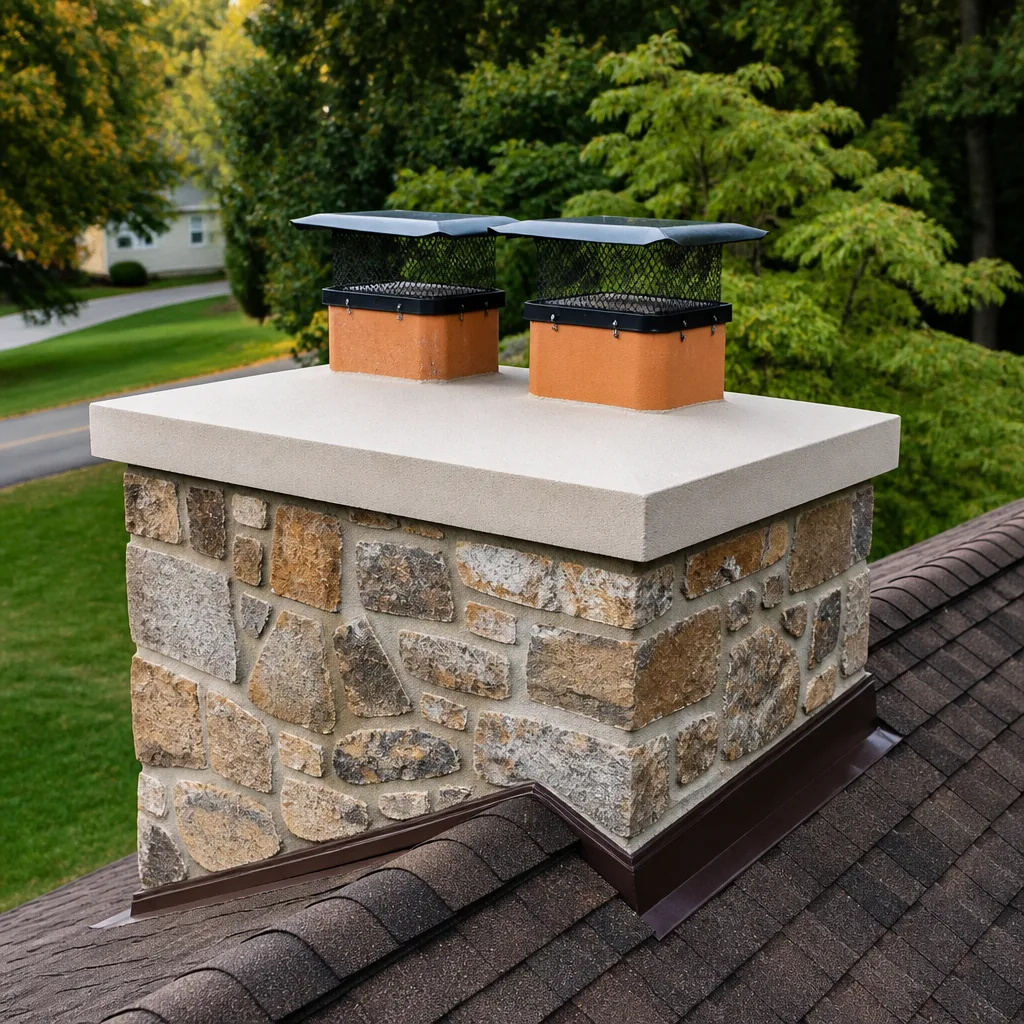 Caps & crowns
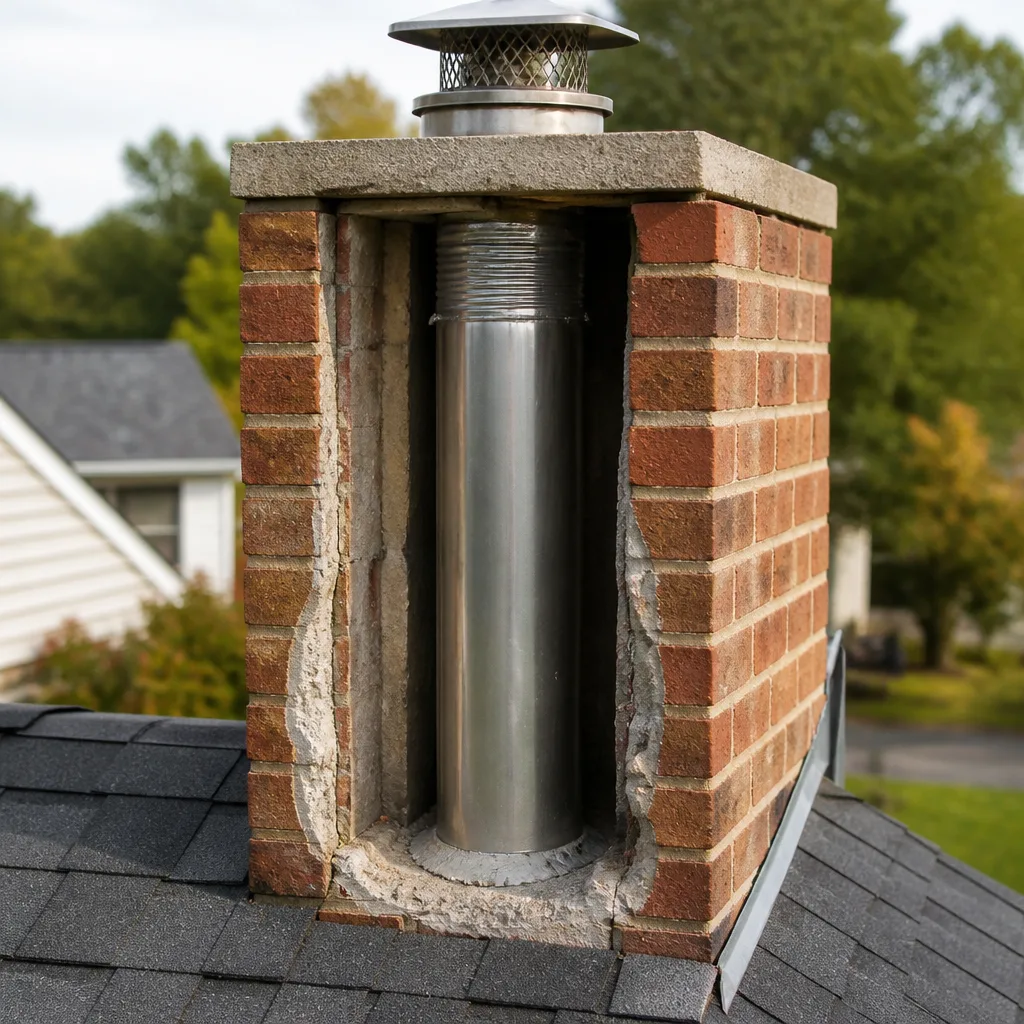 Flue relining
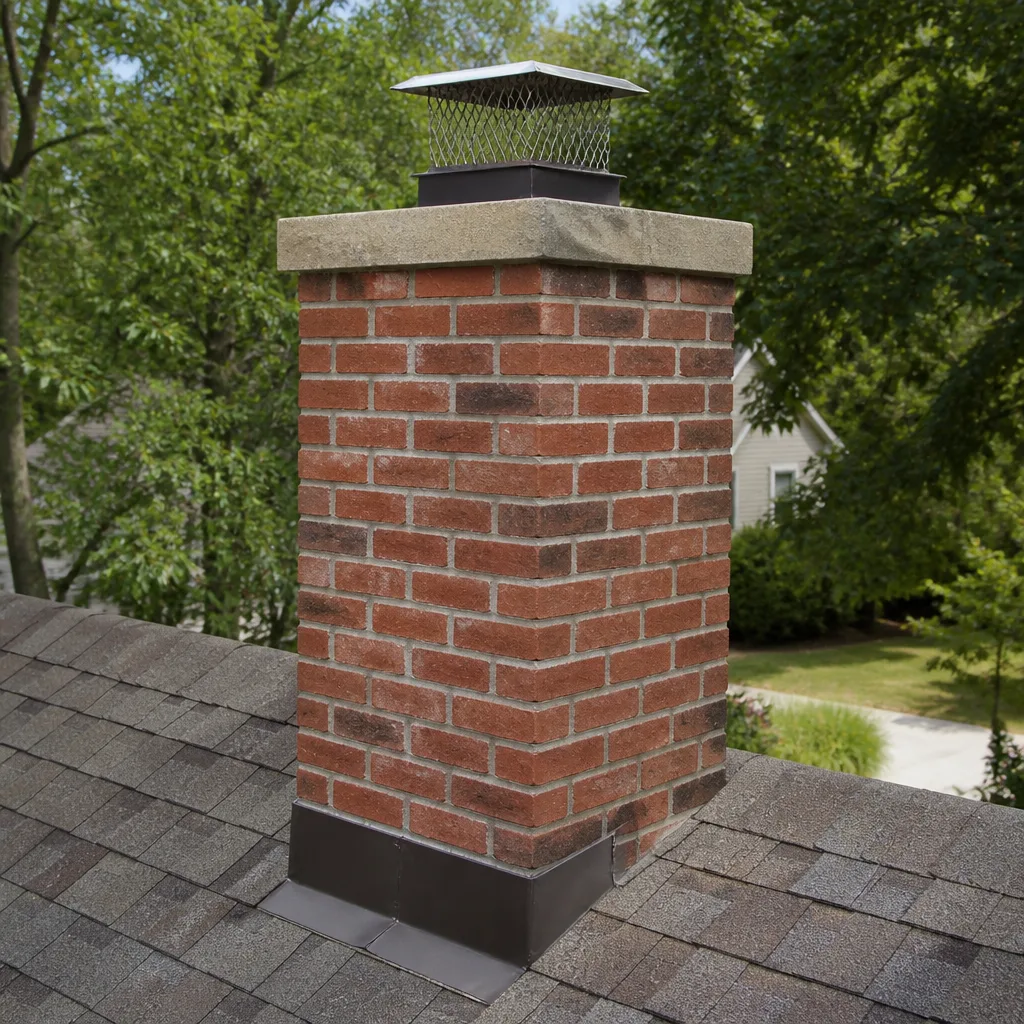 Masonry repair
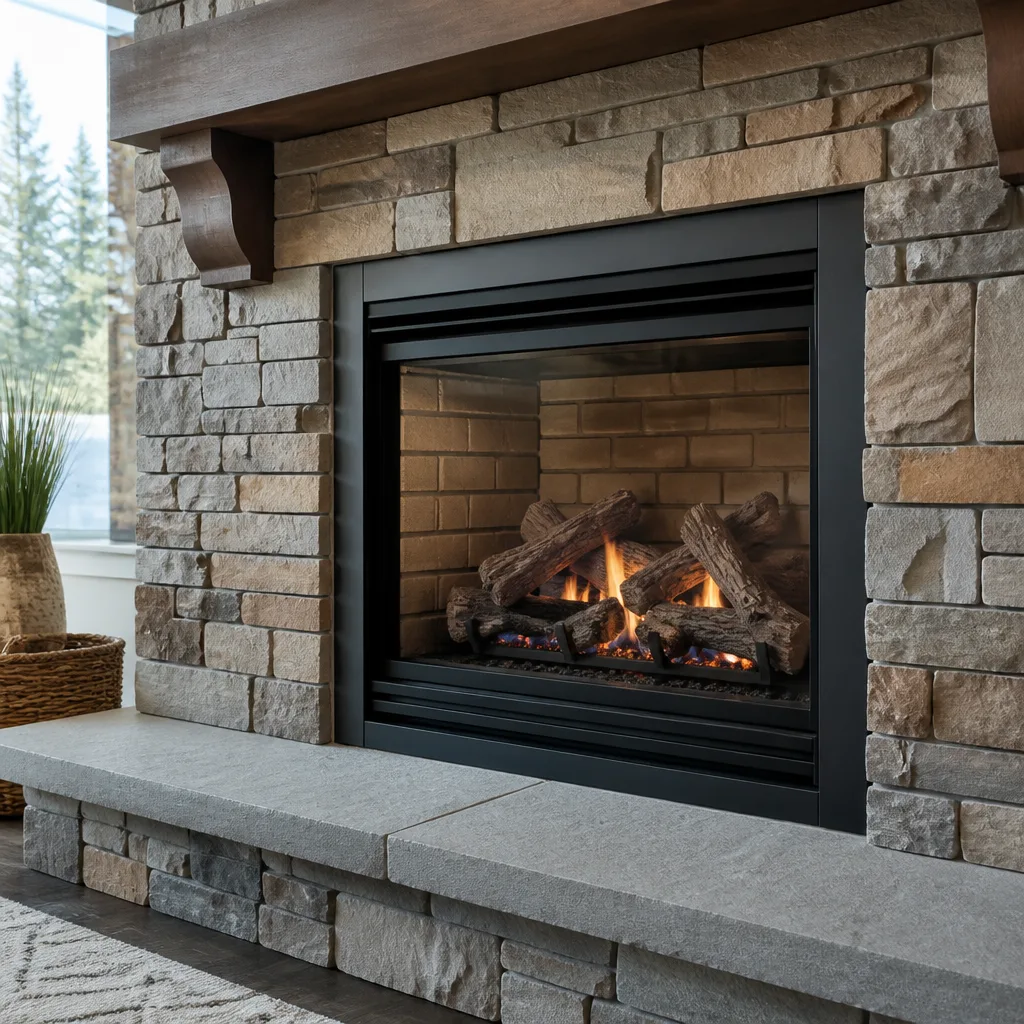 Gas fireplace service
Level 1 sweep and inspection to the NFPA 211 annual standard - flue, crown, cap, and flashing checked and photographed
Chimney sweep logs do not sweep chimneys. They loosen some creosote - which then falls where a brush and vacuum still have to collect it.
Chimney Sweep Maintenance Schedule: What to Do and When
The NFPA recommends an annual chimney inspection, but that standard was written for average use. If you burned more than two cords of wood last season, or if the last rainy season left your crown and mortar joints looking rough, “annual” may already be too late by the time the next fire season arrives. Most homeowners treat a sweep as one appointment and forget it until the smell of smoke or a drafty fireplace reminds them. That misses the point. A chimney is a system with moving parts, masonry, metal, and weather exposure all aging on different clocks. What follows is a month-by-month framework built for how homes in Eagle Rock actually burn, not a generic national checklist.
Quick Answer
In Eagle Rock, the smart schedule is a pre-season sweep and inspection in September, a mid-season check once you log about two cords of wood, a post-rainy-season structural inspection in March or April to catch mortar and crown damage, and a professional Level 2 inspection every five years. Between those visits, you handle damper lubrication, smoke shelf debris, and visual checks yourself. Annual cleaning is the floor. The rest of the calendar is what protects the flue between cleanings.
Styles & brands we work with
- Sweep & inspection
- Caps & crowns
- Flue relining
- Masonry repair
- Gas fireplace service
Table of Contents
- Why a Monthly Schedule Beats an Annual Reminder
- The Pre-Season Window: September, Not November
- How to Track Your Burns and Know When You Cross the Line
- Post-Rainy-Season Inspection: Why Winter Moisture Matters Here
- Between Visits: Damper, Smoke Shelf, and What You Can Do
- Level 1, 2, and 3 Inspections in Plain Terms
- The Five-Year Structural Cycle vs. the Annual Cleaning Cycle
- The Full Eagle Rock Chimney Calendar at a Glance
Why a Monthly Schedule Beats an Annual Reminder
A calendar reminder to “call the sweep” is easy to ignore because it doesn’t tell you what you’re protecting against. A month-by-month schedule does, because each task is tied to a specific condition that shows up at a specific time in this climate. The gap between a well-kept chimney and a neglected one is rarely dramatic. It’s the difference between a flue that’s clean and one with a quarter-inch of glaze on the walls, or a crown with hairline cracks and one that’s begun crumbling at the edge.
Three things shape the maintenance calendar in Eagle Rock more than anything else:
- Fire season timing. Santa Ana wind events in October push debris into flues and put dry brush on edge. A flue that isn’t clean before that first wind event is a flue you’re lighting without knowing what’s inside.
- Wood-burning patterns. Households in Eagle Rock that heat with wood through the cool months typically burn between one and three cords a season. The difference between one cord and three is the difference between an annual sweep and a mid-season inspection.
- Stucco exteriors. Most of the older homes here are finished in stucco, and stucco hides moisture problems better than siding does. Water that gets behind the crown or soaks into a mortar joint doesn’t announce itself the way it does on wood-frame walls. It shows up later as spalling brick, a rusted damper, or a stain on the ceiling of the room below. That’s why the post-rain check matters more here than in a drier climate.
None of this requires you to become a chimney expert. It requires knowing the seasons and knowing your own burn habits. Our Chimney Sweep Eagle Rock team works the same calendar because the conditions don’t change from house to house, only the amount of use does.
The Pre-Season Window: September, Not November
The single most common scheduling mistake we see is booking a sweep in late October or November, right before the first fire. That’s too late for one important reason: October Santa Ana wind events drive debris, dried leaves, and grit into flues and chimney caps before you’ve had a chance to clear them. By the time you light that first log, whatever blew in has been sitting in the flue for weeks. A September sweep and inspection clears the flue, checks the cap, and confirms the damper works before the wind season starts.
Here’s what a proper September visit should include:
- Full sweep of the flue using a brush sized to the liner type, with a drop cloth and vacuum on the firebox so nothing enters the room.
- Visual inspection of the firebox, damper, smoke chamber, and the accessible portion of the flue.
- Cap and crown check – the crown should shed water without pooling, and the cap should be intact and screened. A damaged cap lets birds and debris in, and a cracked crown lets water in. Our chimney cap & crown work is where most preventive money actually goes.
- Damper function test – open, close, look for sticking or a gap that won’t seal.
- Photo documentation of what was found, so you can see the condition of the flue for yourself rather than take it on faith.
If the September inspection finds a localized issue – a hairline crack in the firebox brick, a damper that no longer seats properly, a lintel that’s begun to rust – that’s the right time to handle it. Small fireplace repair done in September is a quick job. The same repair discovered in December, when the fireplace is in daily use, means either shutting the fireplace down or living with the problem until spring. September gives you options.
How to Track Your Burns and Know When You Cross the Line
The NFPA’s annual inspection baseline assumes average use. What counts as average is roughly one cord per heating season with fires a few times a week. If you’re burning more than that, the creosote load builds faster than an annual sweep can keep up with, and you need a mid-season inspection to catch it. The simplest way to know which category you’re in is to keep a burn log.
You don’t need an app. A note on the refrigerator or a page in a kitchen drawer works. What matters is that it records four things for each fire:
- Date. So you can see whether you’re burning twice a week or twice a day.
- Approximate wood volume. A rough count of logs or a rough estimate of how much of the woodpile you drew down.
- Wood species and seasoning. Well-seasoned hardwood produces far less creosote than green or soft wood. If you switched to a wetter load mid-season, the creosote accumulation rate climbs with it.
- Any smoke or smell you noticed. Smoke backing into the room, a stronger-than-usual smell, or a draft that feels off are all early signals worth writing down.
Once you’ve logged roughly two cords, you’ve crossed the threshold where a mid-season inspection makes sense, typically in December or January. That visit is not a full sweep unless the flue needs it. It’s a look at the flue, damper, and firebox at the point of heaviest use, so any early glaze or crack gets caught before it compounds. If you’re not keeping a log, our chimney sweep technicians can usually infer your burn volume from the creosote profile alone, but a written log tells you when to call before you have a problem rather than after.
Post-Rainy-Season Inspection: Why Winter Moisture Matters Here
Southern California’s rainy season is short, but the moisture that comes with it is underestimated as a masonry threat. The rain itself doesn’t damage brick. What damages brick is what happens between storms, when moisture soaks into mortar joints, brick faces, and the crown, and then dries unevenly. We see this most often on stucco-clad chimneys in Eagle Rock, where the stucco hides the problem until the underlying brick has already begun to spall.
A March or April post-rain inspection should look at five things:
- Mortar joints. Hairline cracks are normal; missing or receding mortar is not. Recessed joints catch water and hold it, which accelerates the failure.
- Crown. A proper crown is slightly sloped so water runs off. A flat or cracked crown pools water, and pooled water finds its way down into the flue. Our chimney cap & crown work is where we see the highest return, because the crown is the single most exposed surface on the chimney.
- Flashing. The metal that seals the chimney to the roof is a common leak point. A flashing failure shows up as a ceiling stain long before you’d notice it from the roof.
- Interior water stains. Check the ceiling of the room the chimney passes through, and the inside of the firebox, for any discoloration.
- Damper rust. If the damper has rusted between seasons, water is getting in somewhere.
A 2024-era chimney built with proper materials will often go years without mortar repairs. But an older Eagle Rock home – many of them built in the 1920s through 1950s – will show joint wear faster. A post-rain inspection catches it while it’s still a repointing job rather than a rebuild. For more on the structural repair side, our chimney repair page walks through what each type of damage actually requires.
Between Visits: Damper, Smoke Shelf, and What You Can Do
Not every maintenance task needs a professional. Three of them you can and should handle yourself between visits, because they’re the low-effort items that keep the bigger problems from starting.
- Damper lubrication. A damper that squeals or sticks is usually dry at the pivot. A small amount of high-temperature lubricant on the pivot point a few times a season keeps it working smoothly. Don’t overdo it – a light application is enough. A damper that won’t seal when closed is a different problem and needs a technician.
- Smoke shelf debris check. The smoke shelf is the flat ledge just behind the damper that redirects smoke up the flue. Debris collects there and restricts draft. With the damper open and a flashlight, you can see it. A hand vacuum or a long brush clears light debris. Don’t reach in with your hands; soot is fine but edges are sharp and the space is tight.
- Cap screen check. Once a month during fire season, look up at the cap. If leaves or a bird’s nest have clogged the screen, draft suffers and smoke backs up into the room. Clearing it from the roof should be done with care – never climb onto a roof in wet or windy conditions, and never attempt it if the pitch is steep.
What you should not do yourself: remove a damper, open up the firebox, or work on the flue from the inside. Those all sit in the dangerous zone. Soot and creosote are combustible, and a firebox that isn’t properly supported is a structural hazard. Our technicians have up to 14 years of experience with this work, and the honest answer is that some of it isn’t worth learning on your own chimney. Call a professional for anything past the simple checks above.
Level 1, 2, and 3 Inspections in Plain Terms
The NFPA describes three inspection levels, and the difference matters because most homeowners are quoted a price for “an inspection” without knowing which one they’re getting. Here’s the plain-language version.
Level 1 Inspection
A visual check of the accessible parts of the chimney – firebox, damper, smoke chamber, and the visible portion of the flue, plus the exterior at ground level. No camera, no tools beyond a flashlight. This is what comes with an annual sweep when nothing looks wrong. It tells you “clean and clear” or “there’s something to look at further.”
Level 2 Inspection
Everything in Level 1, plus a video camera scan of the full flue interior, and access to areas that require getting on the roof or into the attic or crawlspace. This is the correct level after any change to the system – a new liner, a new appliance, a chimney fire, a home purchase, or a change in fuel type. This is also the level where we can show you the video and explain exactly what we’re seeing, so you don’t have to take our word for it. A camera inspection is included in every visit we book, and the footage is yours.
Level 3 Inspection
The most involved level. It’s used when a Level 1 or 2 finds a problem that can’t be diagnosed without opening up concealed parts of the chimney – removing a section of wall, cutting into the crown, or opening up the firebox surround. Level 3 is rare, and it’s only recommended when there’s a specific reason. It’s not something to accept as routine.
If someone quotes you “an inspection” without saying which level, ask. In Eagle Rock, the honest answer is usually Level 1 for a routine sweep, and Level 2 whenever there’s a change to the system or you’ve just bought the house.
The Five-Year Structural Cycle vs. the Annual Cleaning Cycle
Cleanings and inspections run on different clocks. A cleaning is about removing what’s accumulated since the last visit. An inspection is about the structural condition of the system. You need a cleaning every year. You need a full Level 2 inspection every five years, or sooner if the system changes, and the two shouldn’t be treated as the same appointment.
Here’s the distinction in practice:
- Annual cleaning cycle: every year before fire season. Sweeps the flue, checks the damper and firebox, looks at the cap and crown. This is what keeps creosote from building to a dangerous level and catches minor damage before it gets expensive.
- Five-year structural cycle: a full Level 2 inspection every five years, even if the annual sweep looks clean. The camera scan catches things the eye doesn’t – a cracked liner tile, a shifted flue joint, a rusted damper frame. These don’t necessarily produce symptoms until they’re a bigger problem. Five years is the interval because most liners in normal use will show wear within that window before failure.
The five-year cycle is also the moment to think about liner restoration rather than liner replacement. HeatShield resurfacing, which we offer, is a method of restoring a deteriorating flue from the inside using a specialized compound rather than pulling the old liner out. It’s not right for every flue, but for a liner that’s worn but structurally sound, resurfacing extends the life of the system at a fraction of the cost of a full reline. A Level 2 camera scan is the only way to know which situation you’re in. If you’re considering a liner restoration, our chimney repair page explains the process and the materials we use, including DuraFlex and Olympia Chimney components for the parts that need a full replacement.
The Full Eagle Rock Chimney Calendar at a Glance
Here’s the whole year in one place, in the order the tasks should happen.
- September: Pre-season sweep and Level 1 inspection. Clear the flue before Santa Ana winds. Check cap, crown, damper, and firebox.
- October: After the first significant Santa Ana event, look up at the cap for debris. Clear the screen if needed.
- November: Start the burn log. Log volume, species, and any smoke or smell observations.
- December and January: If the log crosses two cords, book a mid-season inspection. It’s a look, not necessarily a sweep, focused on the flue and damper.
- February: Damper lubrication, smoke shelf check. Visual inspection of the firebox.
- March and April: Post-rainy-season structural inspection. Check mortar joints, crown, flashing, and the interior for water stains.
- May through August: Any repair work recommended during the spring inspection. This is the window when the chimney is out of use, so repair isn’t disruptive.
- Every five years: Full Level 2 camera inspection, regardless of season. This is the structural review that catches liner wear.
If you follow this calendar, you’ll usually be catching problems at the point where they’re small fixes. That’s the whole point. A chimney that’s inspected on schedule is a chimney that stays out of the “major repair” category, and it’s the difference between a homeowner who calls us once a year and a homeowner who calls us once and never has to again.
Common Mistakes to Avoid
- Skipping the September sweep because the fireplace “looks clean.” Creosote builds on the inside of the flue, not the firebox. What you can see from the firebox door tells you almost nothing about the flue condition. The flue is where fires start.
- Burning green or unseasoned wood to save money. Wet wood produces far more creosote per fire than seasoned hardwood. The savings on the woodpile show up as a bigger cleaning bill later. Season your wood at least a year.
- Ignoring a cracked crown because water “just runs off.” In Eagle Rock’s stucco-clad chimneys, a cracked crown doesn’t show as a water stain until the moisture has already reached the interior. A chimney cap & crown repair done in spring costs a fraction of the mortar rebuild it replaces.
- Assuming a Level 1 inspection is the same as a Level 2. They’re not. If you’ve bought the house, changed the liner, or had a chimney fire, you need Level 2. A Level 1 won’t catch a cracked liner tile.
- Waiting until you smell smoke to book a sweep. A blocked or partially blocked flue can burn without obvious symptoms until it’s a real problem. The smell of smoke on a cold start is a sign of a draft problem, not a normal condition.
- Cleaning the firebox yourself with harsh chemicals. Soot is fine to brush; chemical cleaners can damage the brick and mortar. If the firebox needs more than a brush, that’s a repair, not a cleaning.
- Skipping the five-year camera inspection because the annual sweeps look fine. The annual sweep only shows the accessible parts of the flue. The camera is what catches liner wear between the annual visits.
See the difference
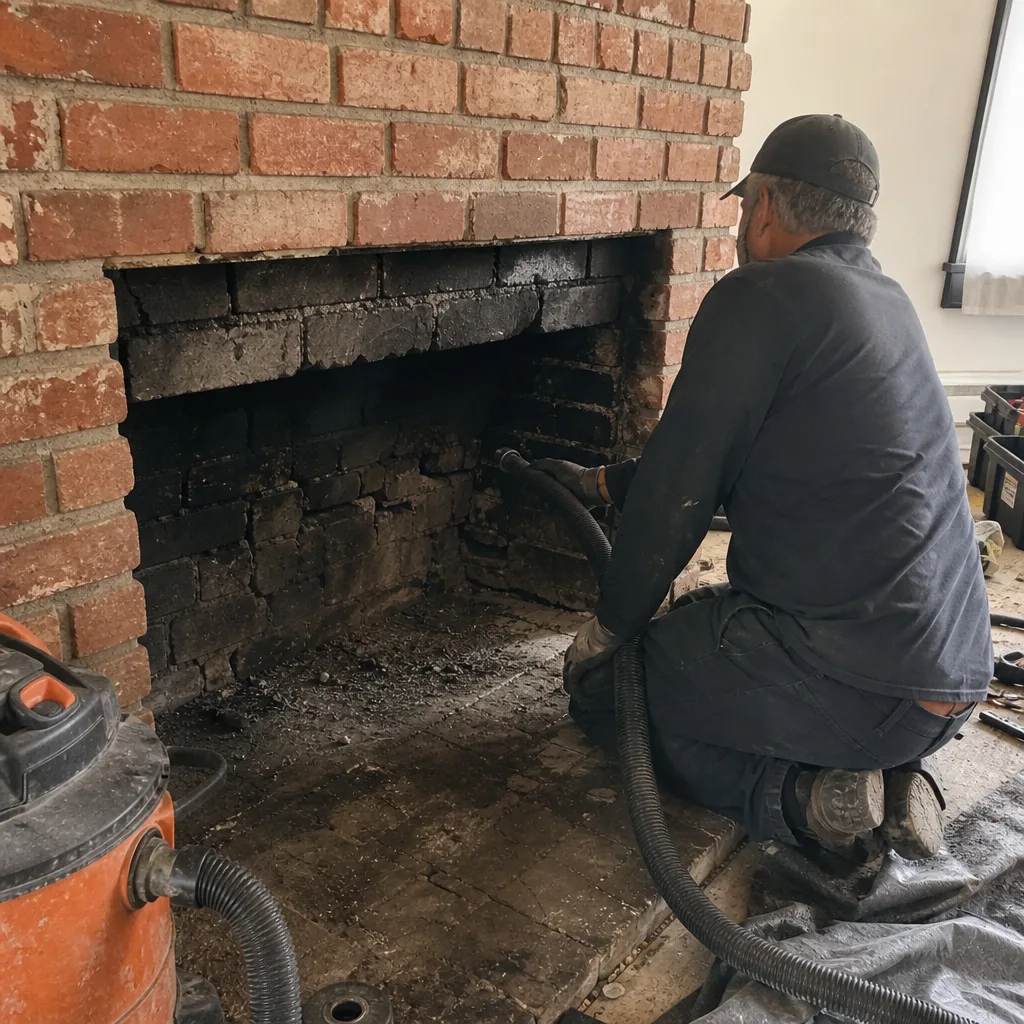 Before
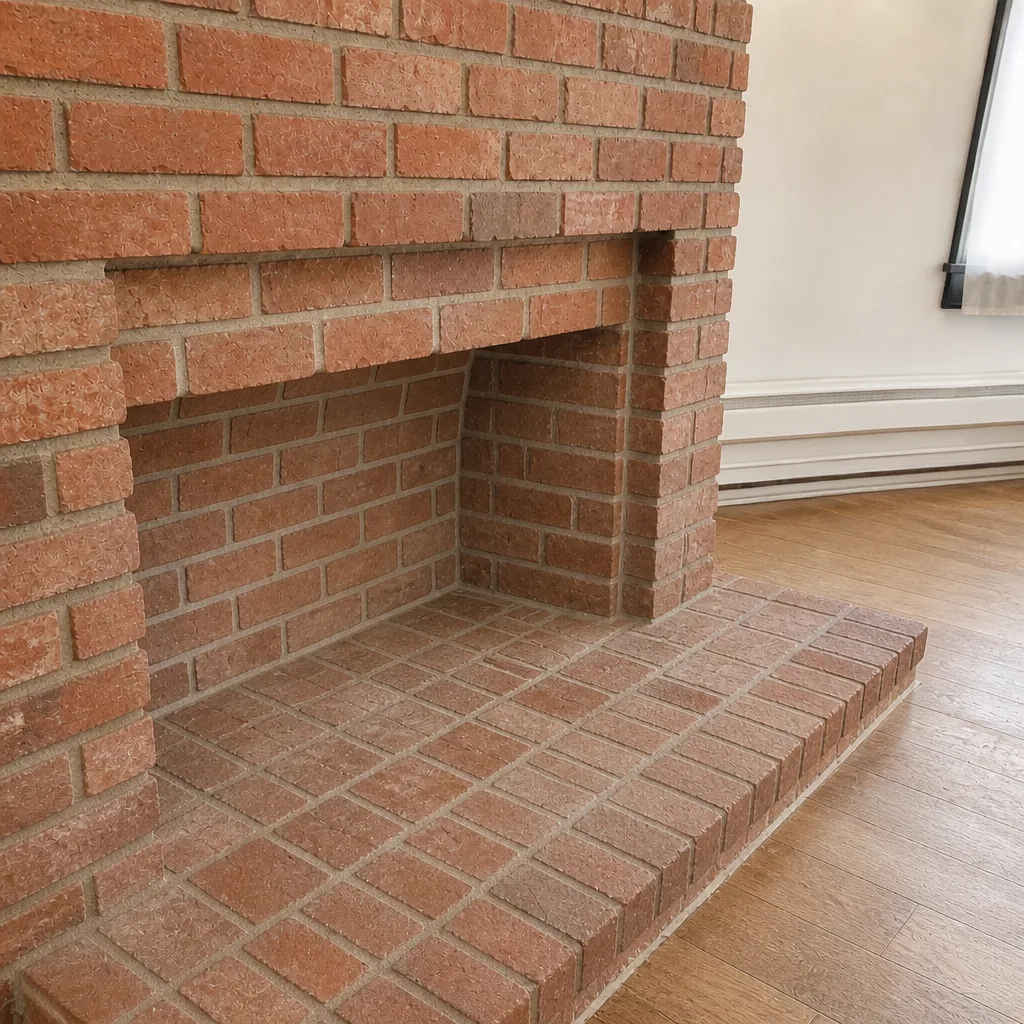 After
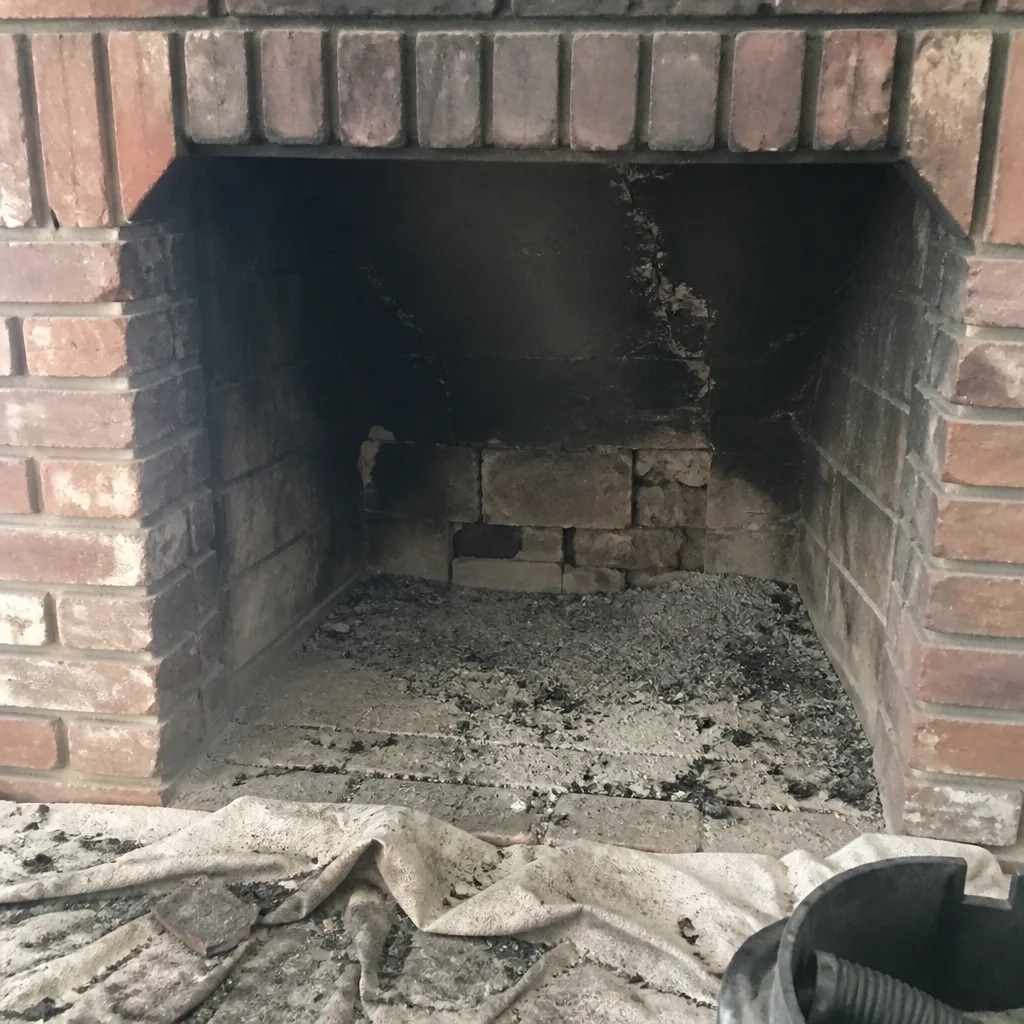 Before
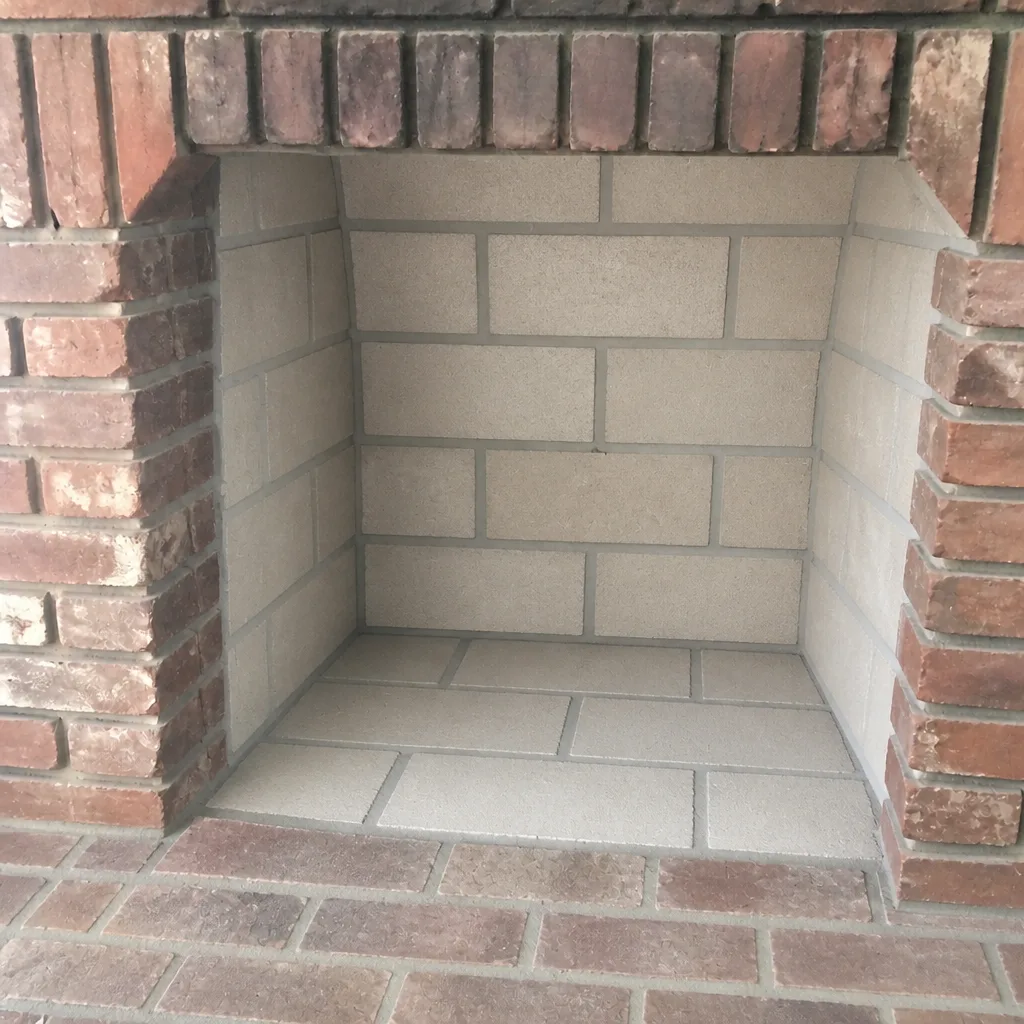 After
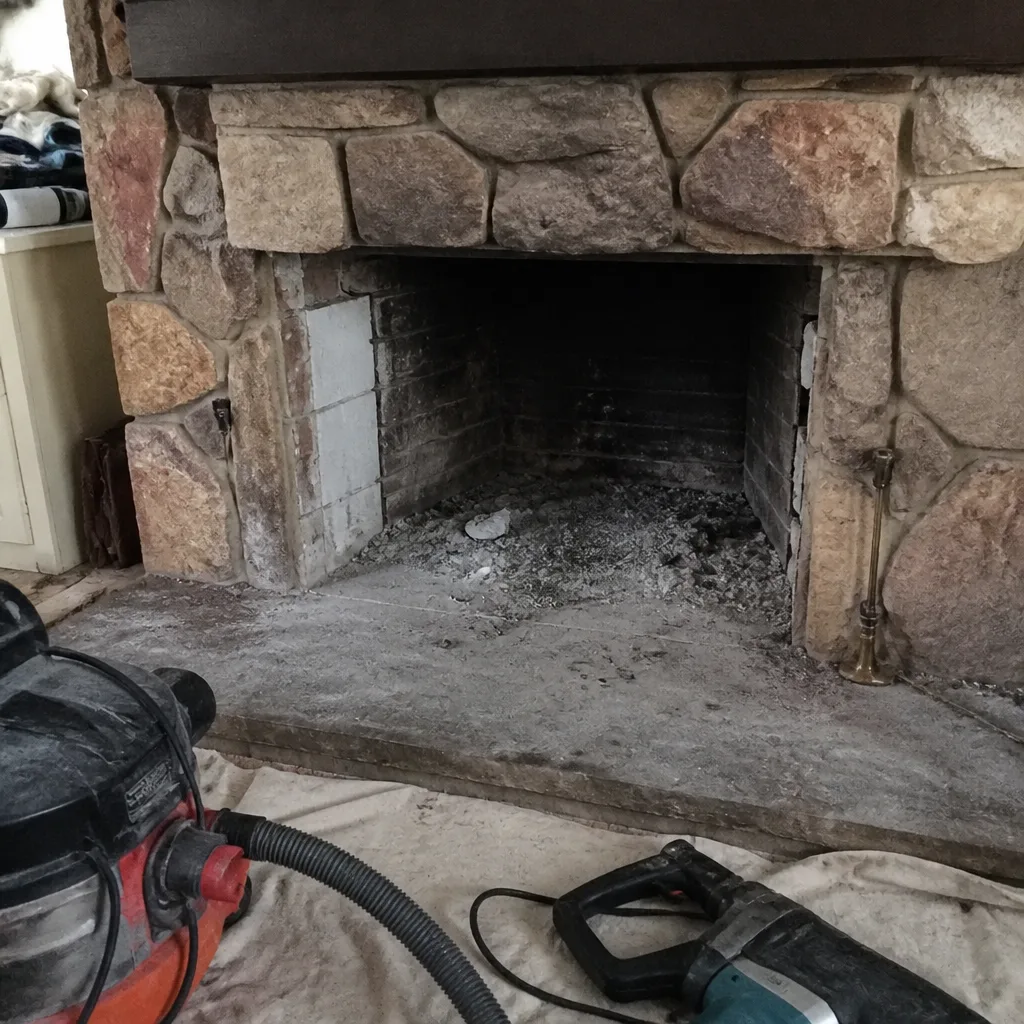 Before
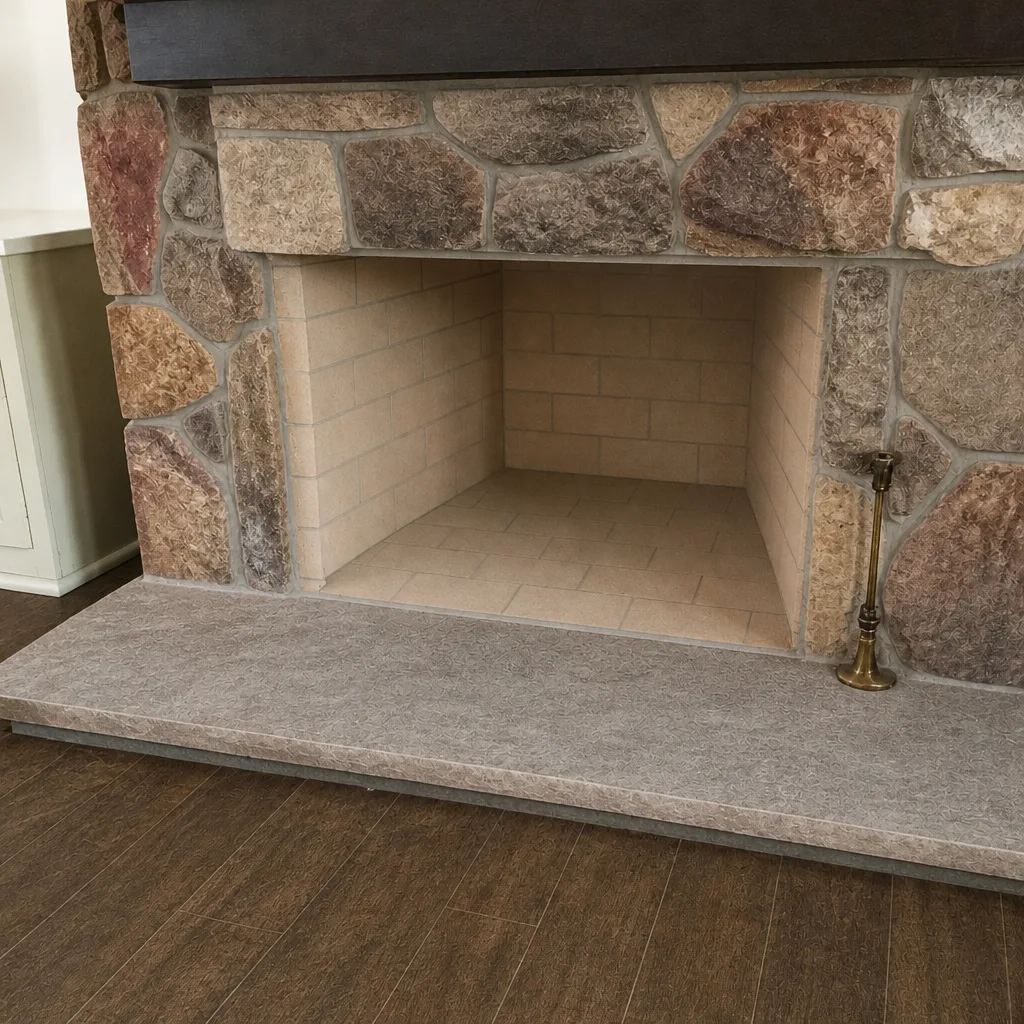 After
When to Call a Professional
Some situations call for a technician, not a homeowner. Call us if you smell smoke inside the house when the fireplace isn’t in use, if you see water staining on the ceiling or the inside of the firebox, if the damper won’t open or close smoothly, if you’ve had a chimney fire (even a small one – the liner needs to be inspected before the next fire), if you’ve moved into a home and don’t know when the chimney was last inspected, or if you’re burning more than two cords a season and haven’t had a mid-season inspection. Those are the situations where a visual check from the ground isn’t enough. Chimney Sweep Eagle Rock offers free estimates in Eagle Rock – call (855) 506-8977. We answer 24/7, and fast dispatch runs from 7am to 7pm, Sunday through Friday.
Frequently Asked Questions
Once a year for most households, before fire season, in September. If you burn more than two cords of wood in a season, add a mid-season inspection in December or January. The annual sweep is the baseline; the mid-season inspection is the adjustment for heavy use.
No. The rainy season in Eagle Rock is short, but the moisture it delivers is what drives mortar and crown damage. A mild winter still brings enough rain to soak into stucco and brick, and the damage often doesn’t show until the following season. The March or April inspection is what catches it early.
The annual sweep is a cleaning visit with a visual inspection of accessible parts. The five-year inspection is a full Level 2 inspection with a camera scan of the entire flue interior. Both are necessary; they cover different things. The sweep keeps the flue clean, and the five-year inspection keeps the structure sound.
Yes. Those are low-risk maintenance tasks that keep the smaller problems from becoming bigger ones. Don’t go further than that – anything involving the firebox interior, the flue, or the damper mechanism itself should be handled by a technician.
HeatShield is a liner restoration method that repairs a deteriorating flue from the inside without pulling the old liner. It’s appropriate when the liner is worn but still structurally sound. A Level 2 inspection tells you whether resurfacing is the right call or whether the flue needs a full reline using DuraFlex or Olympia Chimney components.
You’ll likely be fine – one missed year is rarely a catastrophe. What builds over two or three missed years is a creosote layer thick enough to ignite, and a flue condition you can’t see from the firebox. If you’ve missed a sweep, book the next one and ask for a Level 2 inspection to catch up on anything that’s been sitting.
The Bottom Line
The annual sweep is the floor of chimney maintenance, not the ceiling. In Eagle Rock, the right schedule is a September pre-season sweep, a mid-season inspection once you cross two cords, a post-rainy-season structural inspection in March or April, and a full Level 2 camera inspection every five years. Each one covers a different failure mode: creosote, liner wear, water damage, and structural fatigue. A homeowner who follows that calendar spends a fraction of what a rebuild costs, and gets confidence that the flue is what it’s supposed to be before the first log is lit. One call covers it: inspection, cleaning, repair, and protection, and the same team handles each step. If you’d rather have a technician walk you through the schedule for your specific chimney, call us.
Ready to Get on the Calendar?
If you haven’t had your chimney inspected this season, now is the time to book. We’ll tell you exactly what we found and exactly what it means – no pressure, no guesswork. We use the same materials the industry’s top manufacturers supply to certified professionals – brands like HeatShield, DuraFlex, and Copperfield – so the fix is built to last the way the flue was supposed to. Call (855) 506-8977 for a free estimate. We answer 24/7, and fast dispatch runs from 7am to 7pm, Sunday through Friday.
Written by the team at Chimney Sweep Eagle Rock.