
Last updated November 22, 2026
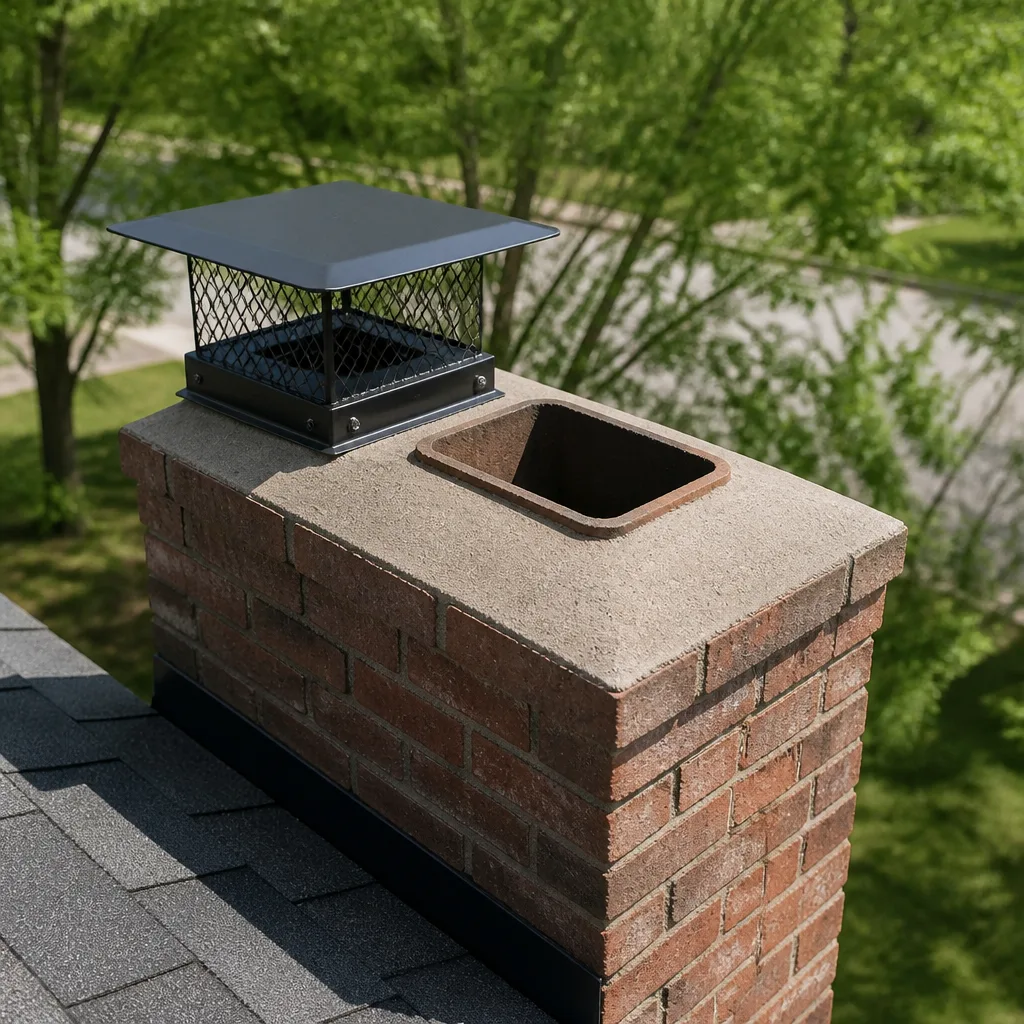 Sweep & inspection
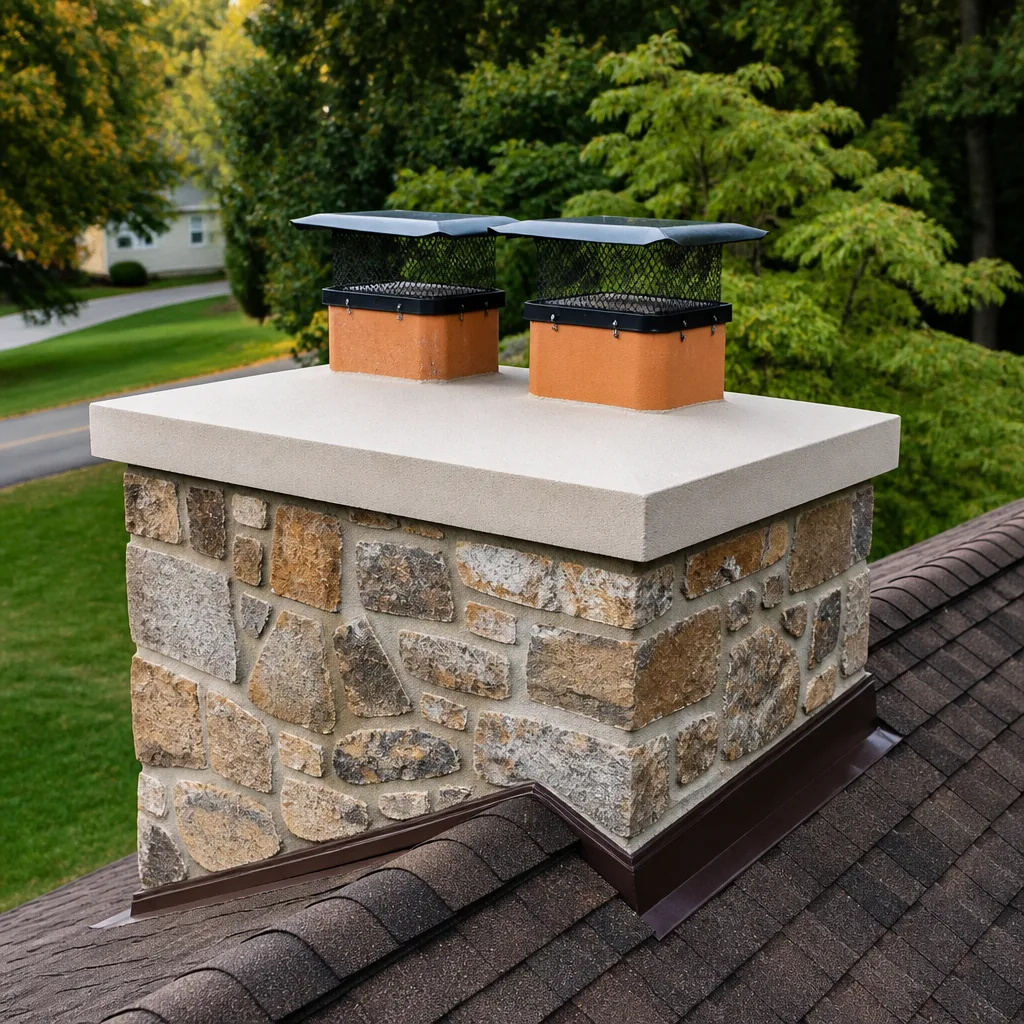 Caps & crowns
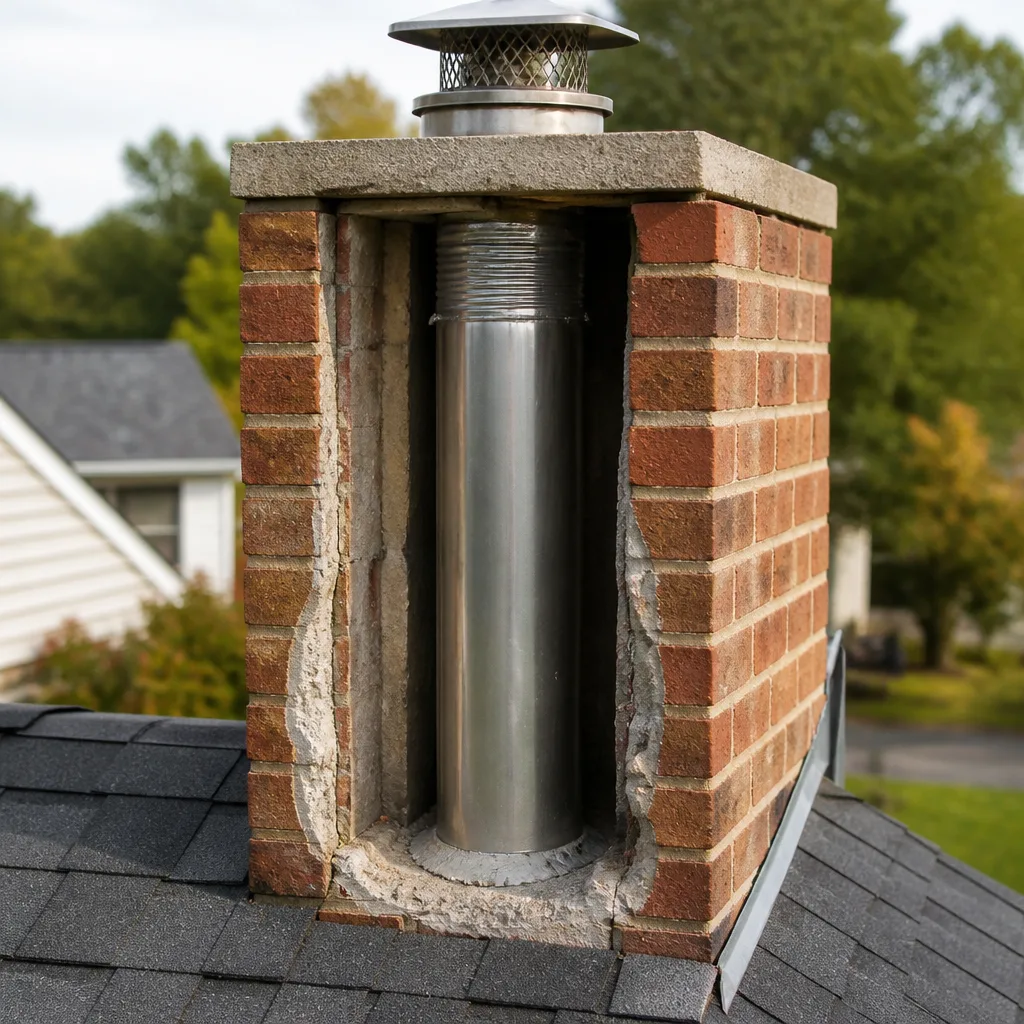 Flue relining
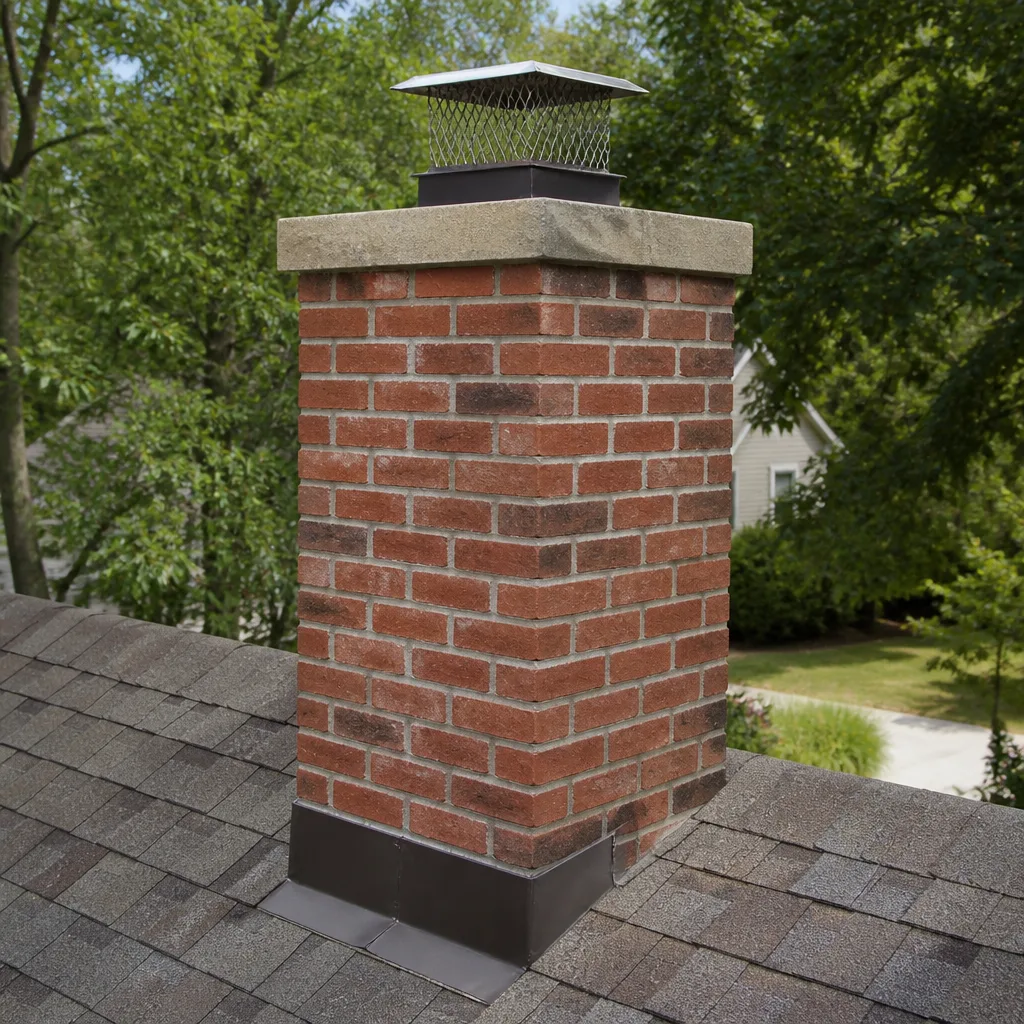 Masonry repair
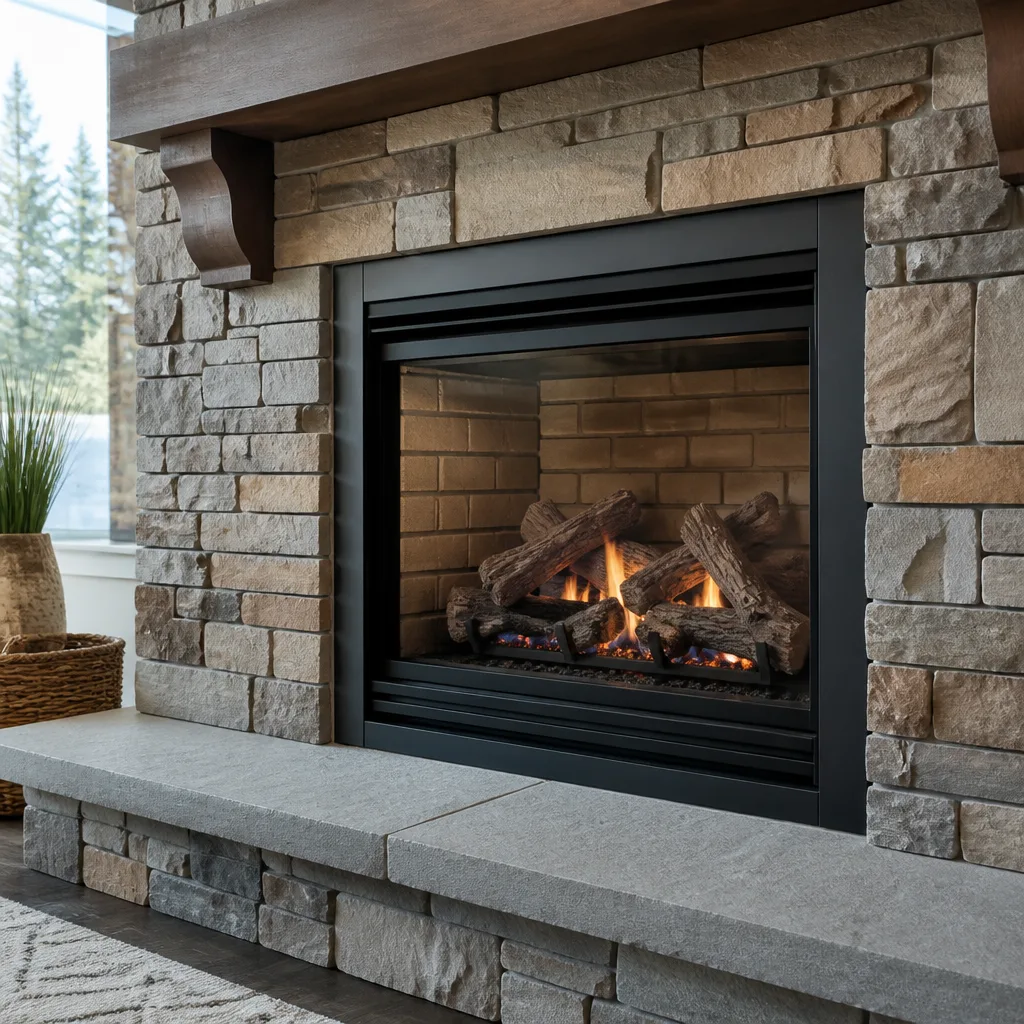 Gas fireplace service
Level 1 sweep and inspection to the NFPA 211 annual standard - flue, crown, cap, and flashing checked and photographed
Chimney sweep logs do not sweep chimneys. They loosen some creosote - which then falls where a brush and vacuum still have to collect it.
How to Hire a Chimney Cleaning Contractor in Eagle Rock: A Step-by-Step Guide
Any operator can slap a certification decal on a truck. Printing a logo costs nothing, and a magnetic sign that says “CSIA Certified” is available online for a few dollars. So the badge you see in the driveway tells you almost nothing on its own. The question that actually separates a trained chimney technician from a handyman with a brush kit is more specific: ask what they do when they find stage-2 creosote partway through a sweep. The answer reveals whether they understand what they’re looking at. In Eagle Rock, where older homes with original masonry chimneys sit alongside newer construction, that distinction matters. This guide walks you through how to vet a contractor, what to ask, what a real estimate itemizes, and how to tell a specialist from a generalist adding chimney work to a longer menu.
Quick Answer
Hiring a chimney cleaning contractor in Eagle Rock means verifying certification directly at csia.org, asking technical questions about creosote and camera equipment, and insisting on a written estimate that itemizes each service separately rather than a vague “sweep and inspect” flat rate. The right contractor inspects, diagnoses, and repairs under one roof, so you don’t get handed off to a second company when the sweep turns up a problem. Look for a dedicated chimney specialist, not a general contractor who offers chimney service as an add-on.
Styles & brands we work with
- Sweep & inspection
- Caps & crowns
- Flue relining
- Masonry repair
- Gas fireplace service
Table of Contents
- Specialist vs. Generalist: Why the Difference Matters
- How to Verify Certification (Not Just Spot the Decal)
- Five Interview Questions That Reveal Technical Competence
- What a Legitimate Written Estimate Should Itemize
- Red Flags Specific to the Eagle Rock and LA Market
- How to Read a Post-Service Report Before You Sign Off
- What Chimney Work Typically Costs in Eagle Rock
- Building a Maintenance Schedule That Fits Your Home
Specialist vs. Generalist: Why the Difference Matters
A chimney is a system, not a hole in the roof. It moves hot gas, manages moisture, and contains fire byproducts, and each of those functions depends on the others. A general contractor can sweep a flue. What a general contractor usually cannot do is diagnose why the flue is drafting poorly, recognize early-stage spalling in the crown, and recommend the correct liner material in the same visit. Those skills come from doing chimney work every day, not from adding it to a broader service list.
In Eagle Rock, the housing stock makes this distinction concrete. Many homes were built decades ago with masonry chimneys that have since been relined, capped, or partially rebuilt. Others have clay tile flues that have cracked and shifted over the years. Reading those conditions takes a trained eye. A specialist knows what a properly constructed crown looks like versus one that’s been patched, and can tell the difference between cosmetic surface cracking and something that’s letting water in.
There’s also the accountability question. When one company inspects and a different company repairs, nobody owns the whole outcome. If a repair fails six months later, you’re explaining the history to a contractor who never saw the original diagnosis. A single company handling sweep, inspection, cap and crown work, fireplace repair, and structural chimney repair keeps the chain of responsibility intact.
- Specialist: knows liner materials, understands creosote stages, carries camera equipment, can perform HeatShield liner resurfacing or install a DuraFlex liner when a flue needs restoration.
- Generalist: sweeps, may inspect visually, and refers out anything beyond cleaning. You become the coordinator.
For a deeper look at what a trained visit actually covers, our chimney sweep page spells out the full process from arrival to report.
How to Verify Certification (Not Just Spot the Decal)
The Chimney Safety Institute of America (CSIA) maintains a public directory of certified sweeps, and that’s the only verification that counts. Visit csia.org and search for the company or the individual technician’s name. If they can’t be found, the certification either doesn’t exist or has lapsed. Both answers are useful.
Certification matters because it reflects a level of training and continuing education that goes beyond owning a brush. A certified sweep understands the code requirements that apply to chimney construction and venting, knows how to recognize the stages of creosote buildup, and has been tested on the material. It isn’t a guarantee of every job outcome, but it’s a verifiable baseline. Ask for the technician’s certification information, then check it yourself. The two minutes it takes is time well spent.
Eagle Rock homeowners should also ask whether the person arriving is the certified technician or an apprentice. Some companies send a certified tech to supervise a crew; that’s fine, but you should know who is actually inspecting and reporting. Ask who will be in the flue and who will write the report.
One more layer: certifications expire. A decal from five years ago proves nothing today. When you check csia.org, confirm the certification is current. If a contractor hesitates when you ask for their certification information, that pause is your answer.
Five Interview Questions That Reveal Technical Competence
These aren’t trick questions. They’re the ones a trained technician answers easily and an unqualified operator stumbles on. Ask them when you call for an estimate, and listen to how the answers come back.
- What do you do if you find stage-2 creosote during a sweep? Stage-2 creosote is hardened and glazed and won’t come off with a standard brush. A competent technician will explain that it requires chemical treatment or mechanical removal, that the flue shouldn’t be used until it’s addressed, and possibly that liner evaluation is the next step. A vague answer here is a red flag.
- What camera equipment do you use for the inspection? A real inspection includes a video scan of the flue interior, often with a chimney camera on a rod. The technician should describe the equipment and offer to show you the footage. If they only have a flashlight, they aren’t doing a full inspection.
- What happens if you find a liner defect you can’t fix in one visit? The answer should be: the technician documents it, explains what it means, and gives you a separate written estimate for the repair. They shouldn’t be improvising a fix or leaving you without a plan.
- Which liner materials do you work with, and why? A specialist can name the product lines they trust and explain the reasoning. We work with professional-grade brands like DuraFlex and HeatShield because those are the materials the industry’s certified professionals use for relining and liner resurfacing. If the answer is “whatever fits,” that’s a generalist.
- Will the same company handle any repair you recommend? If the answer is no, you’ll be coordinating multiple contractors. If the answer is yes, you have one company accountable for the diagnosis and the remedy.
You’ll notice these questions aren’t about licensing or insurance, which any legitimate contractor should carry. They’re about technical judgment. That’s the part that’s harder to fake.
What a Legitimate Written Estimate Should Itemize
A written estimate that says “sweep and inspect: $X” is not an estimate. It’s a price for a package, and it tells you nothing about what’s included or what happens if the inspection turns up a problem. A real estimate breaks the work down by task, so you can see exactly what you’re paying for and compare quotes fairly.
Here’s what should appear, line by line, on a written estimate for chimney work in Eagle Rock:
- Sweep: what’s being cleaned (flue, firebox, smoke chamber), and whether a chemical treatment is included for higher-stage creosote.
- Inspection level: a level-1 inspection is visual and limited to accessible areas; a level-2 includes the video scan and is standard when a property changes hands or after a chimney fire. The estimate should say which one you’re getting.
- Camera documentation: whether the video scan is included and whether you receive the footage or a photo report.
- Recommended repairs: any work the inspection identifies, listed separately with its own price. Caps, crowns, liner repairs, and masonry work should appear as distinct line items, not one lumped fee.
- Materials: the product lines being used (for example, a Gelco or Olympia Chimney cap, or HeatShield for liner resurfacing), so you know what’s going into your chimney.
- Final price confirmation: a statement that the written estimate sets the price for each line item, with no surprise additions.
If a contractor won’t itemize, or if the estimate arrives as a single number with no breakdown, ask for a revised version. The estimate should also make clear whether the inspection findings could change the scope, and how that would be handled.
Red Flags Specific to the Eagle Rock and LA Market
The Los Angeles area has a particular pattern of chimney-service operators that homeowners in Eagle Rock should watch for. Some are legitimate. Many are not. These are the signs that should slow you down.
- Door-to-door solicitation. Legitimate chimney specialists don’t go house to house offering sweeps. If someone knocks on your door and claims to be “in the area” and “noticing” your chimney looks bad, that’s a sales tactic, not a service call.
- Discount coupons with no company history. A coupon for a heavily discounted sweep isn’t automatically a problem, but it should lead you to a company you can verify. If the coupon leads to a company with no traceable certification and no verifiable reputation, treat the discount as a lead-generation tool, not a value proposition.
- “Your chimney needs a full rebuild” on the first visit. A full rebuild is sometimes the right answer, but it should follow documented inspection findings, not a visual glance. Ask for the camera footage and a written report before you agree to anything structural.
- Pressure to sign today. A genuine specialist will explain what they found, give you the report, and let you decide. Urgency that’s about the sales calendar rather than the condition of your chimney is a warning sign.
- No physical documentation. No written estimate, no inspection report, no photos or video. If the entire transaction is verbal, you have no record and no recourse.
- General contractor overlap. A general contractor who “also does chimneys” may be perfectly competent at other work and out of depth on chimneys. Ask specifically about certification and chimney-specific training.
In Eagle Rock, where a mix of older and newer homes means a wide variety of chimney conditions, the operators who rely on fear-based selling tend to find more to fear than a genuine inspection would. Insist on the evidence.
How to Read a Post-Service Report Before You Sign Off
When the sweep and inspection are done, you should receive a written report before the technician leaves. That report is your record of the chimney’s condition at that point in time, and it’s the document you’ll refer to when you’re deciding whether to schedule a repair. Don’t sign off on the job until you’ve read it.
A complete post-service report should include:
- What was cleaned. The report should name each component addressed: flue, firebox, smoke chamber, damper.
- Inspection findings by level. If a level-2 inspection was performed, the report should say so and summarize what the camera showed, including any defects in the flue liner, joints, or crown.
- Creosote stage. The report should state what stage of creosote buildup was found, and whether the flue is clean enough to use.
- Photos or video. A camera inspection should produce documentation you can review. Ask to see it on the technician’s screen, and ask for a copy.
- Recommended next steps. Any needed repairs, with a separate written estimate. The report should also say what can safely wait and what shouldn’t.
- A clear statement of scope. What the report covers and what it doesn’t (e.g., “inspection limited to accessible areas”).
A report that just says “chimney swept, looks good” is not enough. You should be able to hand that report to another technician and have them understand exactly what was found. If your chimney cap & crown was evaluated, the report should note their condition specifically. If fireplace repair was recommended, the report should describe the issue that prompted it.
One more thing: the report should say plainly when work can wait. Not every finding is urgent, and a specialist will tell you which issues are seasonal maintenance and which need attention before the next burn.
What Chimney Work Typically Costs in Eagle Rock
Costs vary by chimney condition, but the ranges below give you a sense of what typical work involves in the Eagle Rock market. These are estimates only, and the written estimate you receive sets the final price for each line item.
| Service | Typical estimated range |
|---|---|
| Standard sweep and level-1 inspection | $175 to $350 |
| Level-2 inspection with video scan | $250 to $500 |
| Chimney cap installation | $150 to $450, depending on cap style and material |
| Crown repair or rebuild | $350 to $1,200+ |
| Liner resurfacing with HeatShield | $1,500 to $3,500+ |
| Full liner replacement with DuraFlex | $3,000 to $8,000+ |
| Fireplace repair | Varies by scope; itemized in the written estimate |
Notice the structure: a standard sweep is a defined job with a range, while structural work scales with the size and condition of the chimney. A quote that doesn’t separate those categories is hiding the structure. The estimate should tell you which jobs are routine and which are conditional on findings.
Eagle Rock’s mix of older masonry chimneys and newer construction means the range you’ll actually pay is often wide. A home with an intact clay tile liner and a sound crown needs a sweep and nothing more. A home with a cracked liner and a failing crown needs more. That’s why the inspection findings drive the price, not a preset package.
Building a Maintenance Schedule That Fits Your Home
How often you need a sweep depends on how much you burn. The standard recommendation is an annual inspection, and a sweep whenever the creosote reaches a stage that warrants it. For a household that uses the fireplace regularly through the cooler months, an annual sweep before the burning season is a sensible rhythm. For occasional users, the annual inspection will tell you whether a sweep is needed.
In Eagle Rock, winters are mild, which means many fireplaces see less use than they would in a colder climate. That doesn’t make inspections optional. Chimneys are exposed to weather year-round, and a cap that’s come loose or a crown that’s cracked can let water in during the rainy season. An annual inspection catches those problems before they become structural repairs.
Here’s a simple schedule to follow:
- Annual inspection: once a year, before the burning season. This is your baseline for knowing the condition of the chimney.
- Sweep as needed: based on inspection findings and how much you burn. If you burn frequently, plan on an annual sweep. If you burn occasionally, the inspection tells you when it’s due.
- Cap and crown check: included in the annual inspection. Catching a loose cap or a cracked crown early prevents water intrusion and the repairs that follow.
- Post-property-purchase inspection: a level-2 inspection when you buy a home with a chimney, before you use it.
We’ve seen enough Eagle Rock chimneys to say that the single biggest cause of expensive repairs is deferred maintenance. A cap that costs a few hundred dollars to replace prevents a crown repair or liner resurfacing that runs into the thousands. The annual inspection is where you find out which category you’re in.
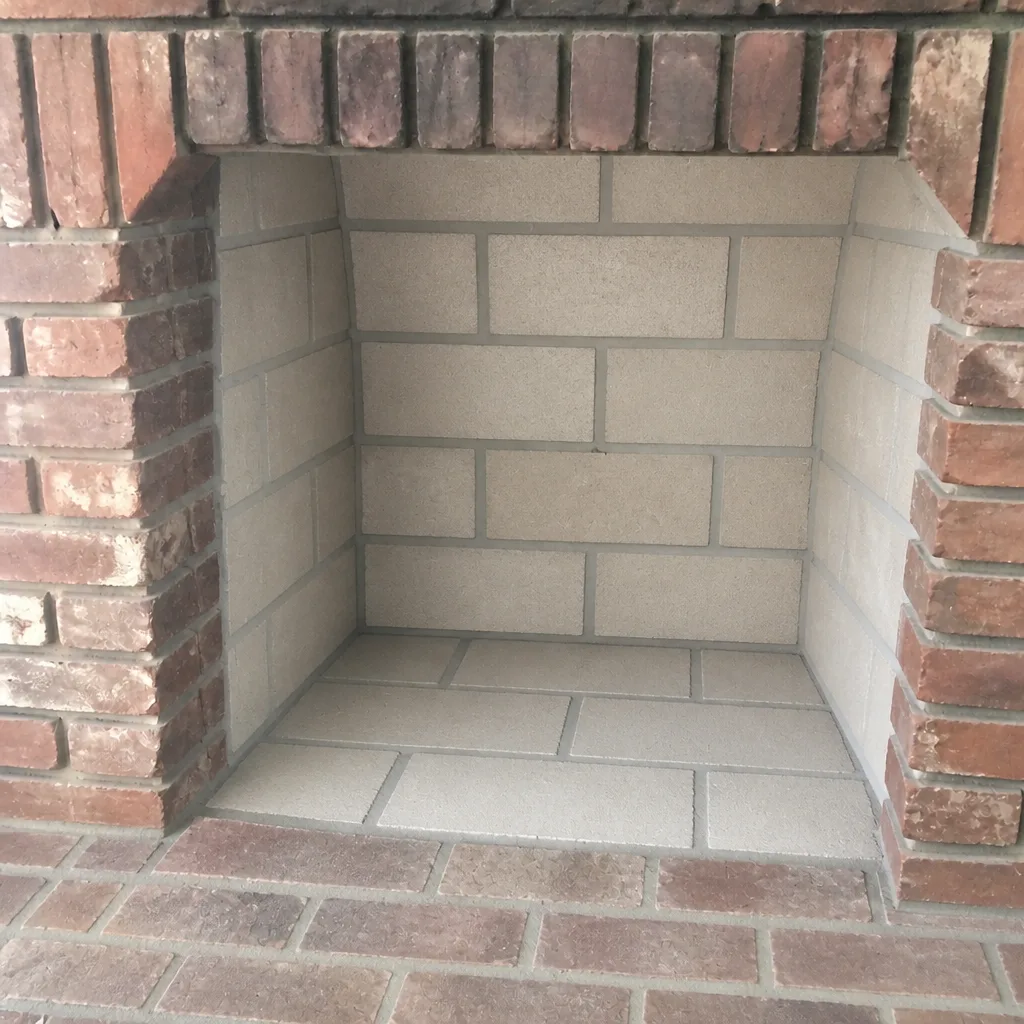
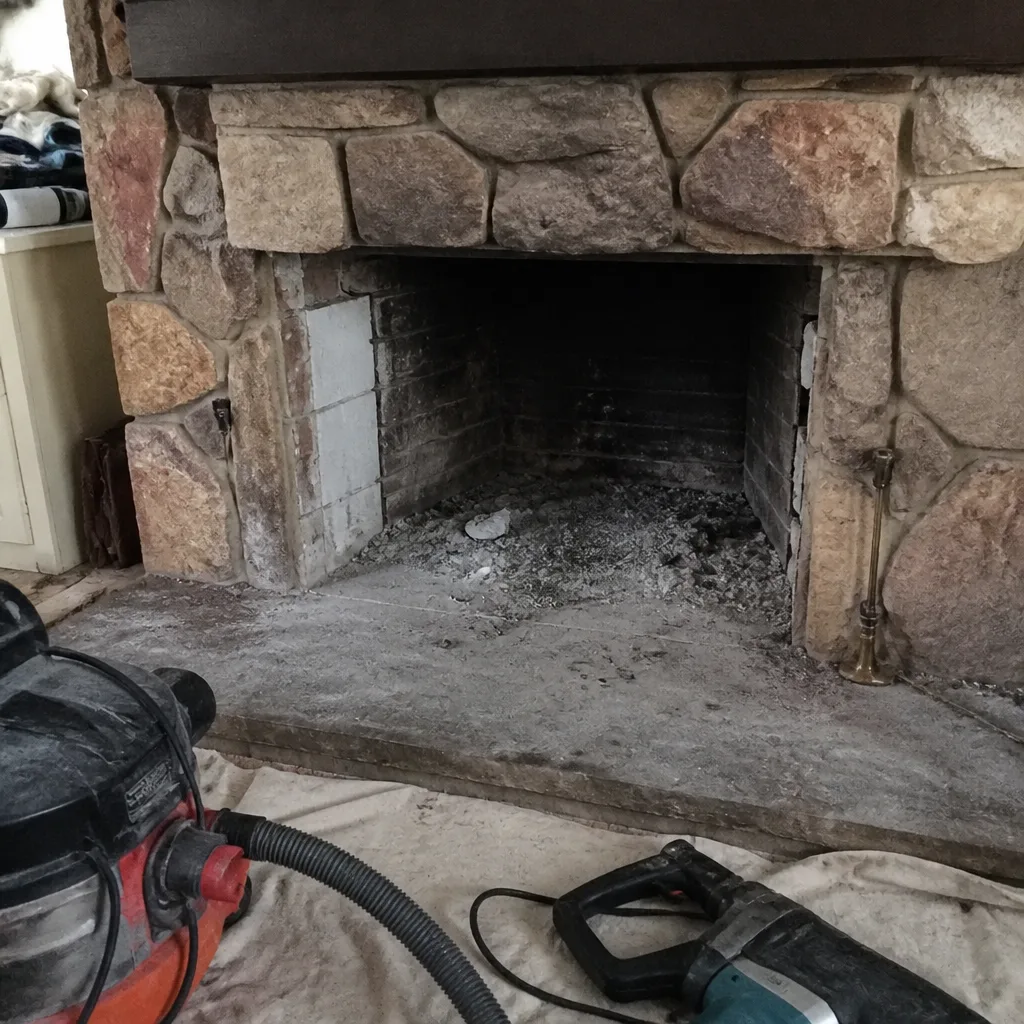
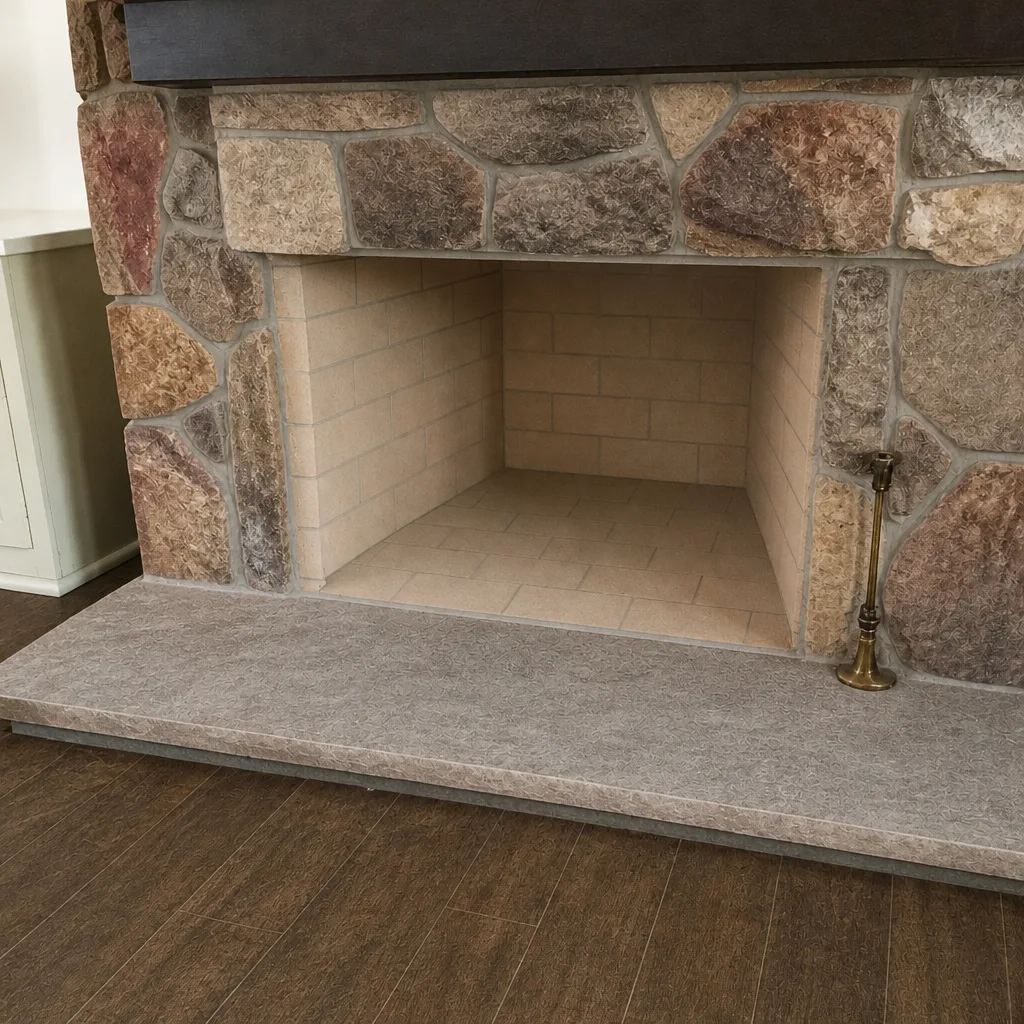
See the difference
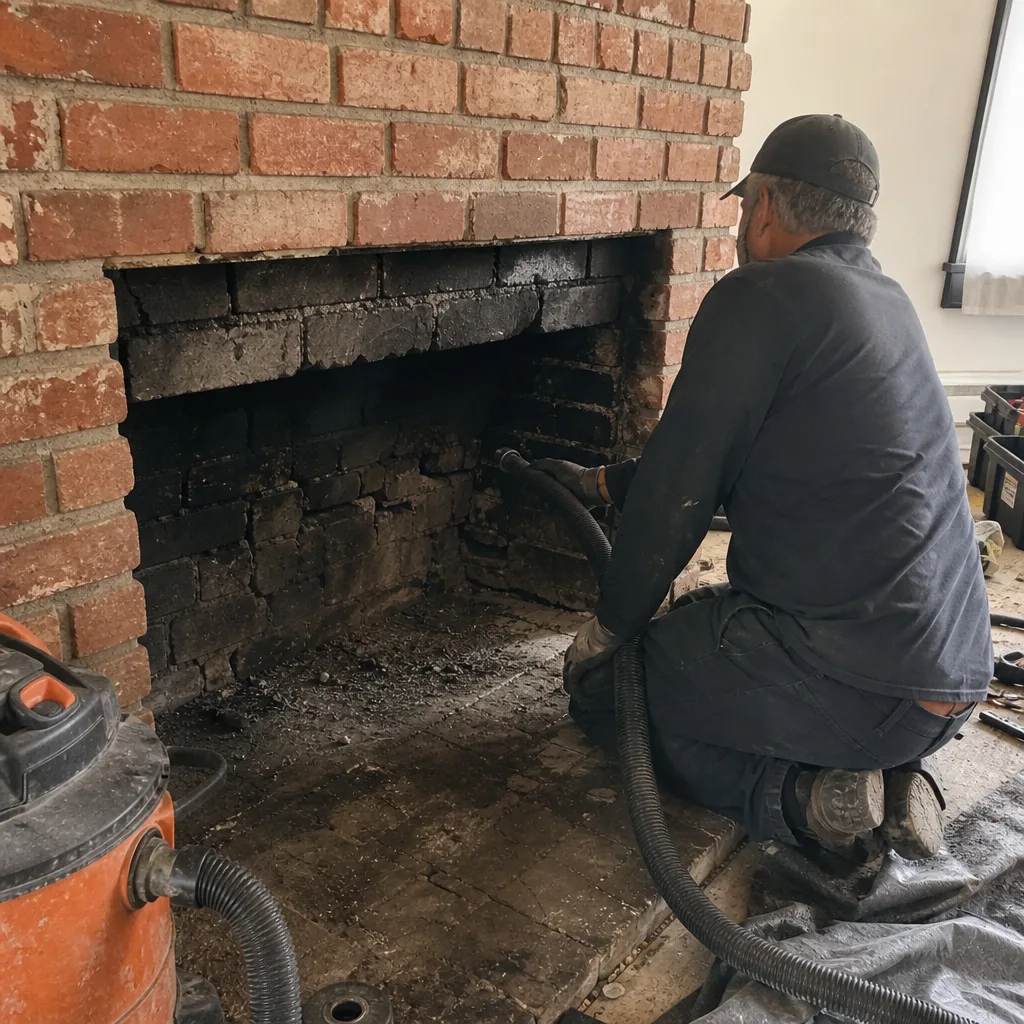 Before
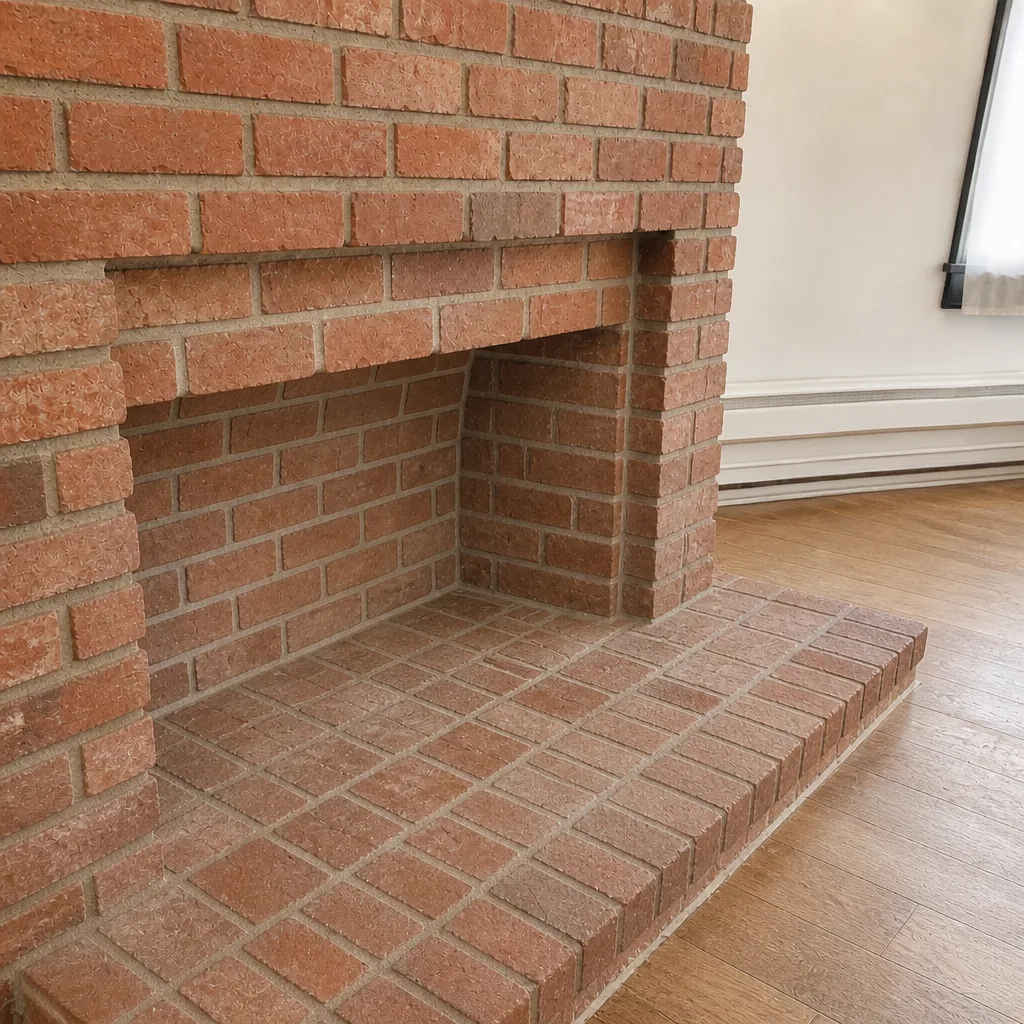 After
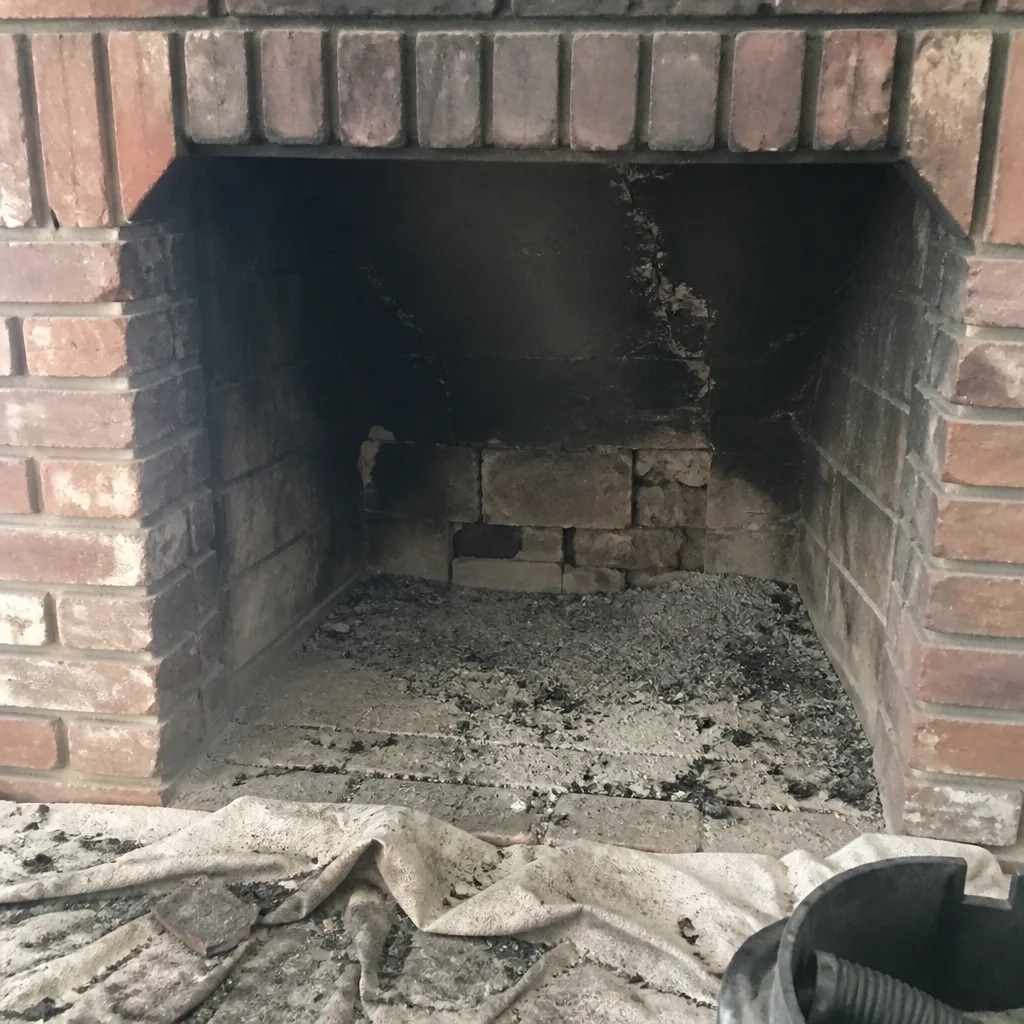 Before
 After
 Before
 After
Common Mistakes to Avoid
- Trusting the decal without checking the directory. A certification decal is easy to print. Verify it at csia.org. Two minutes is all it takes to know whether the claim is real.
- Accepting a single-number estimate. A “sweep and inspect” flat rate hides what’s included. Ask for the itemized version, and compare line items between quotes, not totals.
- Hiring a general contractor for chimney-specific work. Chimney diagnosis and repair require specialized training. A general contractor who also sweeps is not the same as a chimney specialist.
- Skipping the inspection because the sweep “looked fine.” A sweep cleans. An inspection diagnoses. If you didn’t get a written report, you don’t know what condition your chimney is in.
- Letting a door-to-door operator into the flue. Legitimate specialists don’t knock on doors offering sweeps. If someone shows up uninvited, decline and call a verified company instead.
- Signing off before reading the report. The report is your record. Read it, ask questions, and make sure you understand what’s recommended before the technician leaves.
- Deferring the cap and crown check. Water intrusion is the most common cause of major chimney repairs. The cap and crown are the first line of defense.
When to Call a Professional
You should call a professional chimney specialist when any of the following applies: you’ve never had the chimney inspected and you’ve been using the fireplace; you noticed a strong creosote smell or visible buildup in the firebox; your cap is missing, loose, or damaged; your crown shows cracks or crumbling; you see staining on the chimney exterior or ceiling near the flue; smoke backs into the room when you light a fire; or you’re buying a home with a chimney you haven’t had independently inspected. Each of these is a signal worth investigating with a trained eye and a camera. Don’t diagnose a liner or structural issue from the ground.
Chimney Sweep Eagle Rock offers free estimates in Eagle Rock for sweep, inspection, cap and crown, fireplace repair, and chimney repair. Call (855) 506-8977. We answer 24/7. Fast dispatch from 7am to 7pm, Sunday through Friday.
Frequently Asked Questions
A standard sweep with a level-1 inspection in Eagle Rock typically runs $175 to $350, while a level-2 inspection with a video scan runs $250 to $500. The written estimate sets the final price for each line item, so ask for the itemized version. Call (855) 506-8977 for an exact quote – estimates are free.
Look up the company or technician name at csia.org, the Chimney Safety Institute of America’s public directory. The decal on the truck means nothing on its own. What counts is a current listing you can verify yourself, plus a technician who can explain what the certification covers.
A level-2 inspection is standard when you buy a home with a chimney, after a chimney fire, or when a level-1 inspection turns up something that needs closer review. If you’ve used the fireplace for years without an inspection, a level-2 gives you the video evidence you need to make informed decisions about repair. A level-1 is the annual baseline otherwise.
A chimney specialist does chimney work as their primary service, with the training, tools, and material relationships that come with it. We work with professional-grade brands like HeatShield and DuraFlex, for example, because those materials are used by certified professionals for liner work. A general contractor who adds sweeping to a longer service list may not have that depth. One call to a specialist covers inspection, cleaning, and repair from the same team.
Legitimate chimney companies don’t solicit door to door. Unsolicited pitches often come with pressure tactics and vague estimates. If someone knocks and says they noticed a problem with your chimney from the street, politely decline and verify a contractor through csia.org instead.
The report should state what was cleaned, the inspection findings, the creosote stage, and any recommended repairs, and it should include photos or video if a camera inspection was done. It should also say plainly which issues can wait. If you don’t get a written report, the job isn’t finished.
The Bottom Line
Hiring a chimney cleaning contractor in Eagle Rock comes down to verifiable signals, not marketing. Check the CSIA directory yourself. Ask the five technical questions, and listen for answers that show real training. Insist on an itemized written estimate that separates sweep, inspection, and any recommended repairs. Watch for the door-to-door and discount-coupon patterns that are common in the LA market, and read the post-service report before you sign off. A specialist who inspects, diagnoses, and repairs under one roof, and who uses professional-grade materials from brands like Gelco or Olympia Chimney for caps and crowns, gives you a single point of accountability for the whole chimney. That’s the difference between a sweep and a real service.
If you’re ready to schedule a sweep or inspection in Eagle Rock, call (855) 506-8977 for a free estimate. We answer 24/7. Fast dispatch from 7am to 7pm, Sunday through Friday, closed Saturday. Read more about the full range of services on our Chimney Sweep Eagle Rock page.
Written by the team at Chimney Sweep Eagle Rock.