
Last updated November 22, 2026
 Sweep & inspection
 Caps & crowns
 Flue relining
 Masonry repair
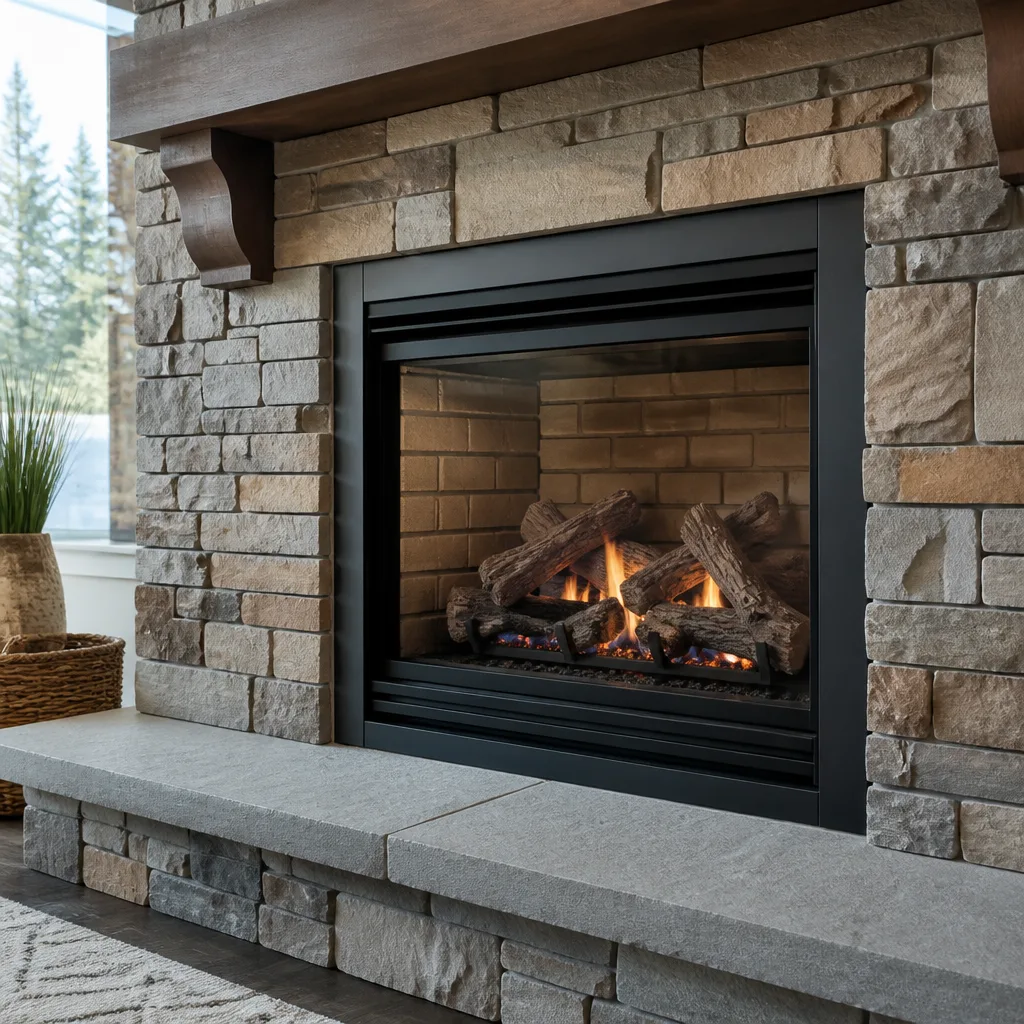 Gas fireplace service
Level 1 sweep and inspection to the NFPA 211 annual standard - flue, crown, cap, and flashing checked and photographed
Chimney sweep logs do not sweep chimneys. They loosen some creosote - which then falls where a brush and vacuum still have to collect it.
Chimney Cleaning Emergency Preparedness Guide for Eagle Rock Homes
Most Eagle Rock households have a plan for the big two: the earthquake kit in the hall closet and the go-bag by the door. The chimney rarely makes the list. That’s the blind spot this guide fills. In a seismic region, a chimney is the heaviest, least-braced structure on many older homes, and after the 2020 Bobcat Fire, uncapped and poorly screened chimneys in hillside Los Angeles communities became ember entry points into attic spaces. A missing or wrong-sized cap isn’t a cosmetic gap; it’s an open door for firebrands. Below we cover post-earthquake checks, ember intrusion, what to do during a chimney fire, how to spot a slow one, and why a September sweep beats a November scramble.
Quick Answer
Chimney emergency preparedness in Eagle Rock means three things: knowing which structural checks to run before you light a fire after a 4.0+ earthquake, having a cap with proper mesh to block wildfire embers, and knowing the calm sequence of actions to take if you suspect a chimney fire. A pre-season inspection and sweep in late summer, before Santa Ana winds arrive, is the single most useful step most Eagle Rock homeowners can take.
Styles & brands we work with
- Sweep & inspection
- Caps & crowns
- Flue relining
- Masonry repair
- Gas fireplace service
Table of Contents
- Why the Chimney Belongs in Your Emergency Plan
- Post-Earthquake Chimney Protocol
- Ember Intrusion: What Cap Mesh Actually Blocks Firebrands
- What to Do If You Suspect a Chimney Fire
- How to Identify a Slow Chimney Fire
- Pre-Fire-Season Inspection: Why September Beats November
- Eagle Rock Housing Stock and What It Means for Your Flue
- Common Mistakes to Avoid
Why the Chimney Belongs in Your Emergency Plan
A chimney is a vertical path from a fire source to the outside of your house. Any structure that does that is a failure point in more than one kind of emergency. In an earthquake, a masonry chimney is a tall, top-heavy column that concentrates stress at the roofline and the foundation. In a wildfire, an open flue is a chimney-shaped hole in your building envelope. Those two risks share a solution: keep the whole flue system in known, serviceable condition so you aren’t discovering a problem in the middle of a crisis.
Eagle Rock sits in a hillside pocket where those risks stack. The neighborhood’s mix of 1920s bungalows, mid-century homes, and newer infill means the chimney stock is uneven. Some flues are original brick with clay tile liners that have been quietly degrading for years. Others have been retrofitted with modern stainless systems. You can’t tell which you have by looking at the outside of the chimney. That’s the whole reason a professional inspection matters: the flue interior is where the real story lives, and it takes a camera to read it.
Emergency preparedness isn’t about living in fear of the next event. It’s about removing the surprises. A chimney you’ve had inspected, swept, and capped is one less system to worry about when the ground shakes or the sky turns orange. We’ve seen homes in Eagle Rock where the only chimney problem was a missing cap and a nest in the flue; both were caught in a routine visit and both were cheap fixes. The point is to catch those before they become emergencies.
A well-built chimney ready for the season also means you’ll actually use the fireplace with confidence, not dread. That’s worth something on a cold January evening in the hills.
Post-Earthquake Chimney Protocol
After any earthquake of magnitude 4.0 or greater felt in the Eagle Rock area, the safe question to ask is not “does the chimney look fine?” It’s “what changed inside the flue that I can’t see?” Here is the sequence we recommend before you light another fire.
- Stop using the fireplace immediately. Even if nothing looks wrong, a fire adds heat and pressure to a chimney that just took a stress event. Wait until the flue has been checked.
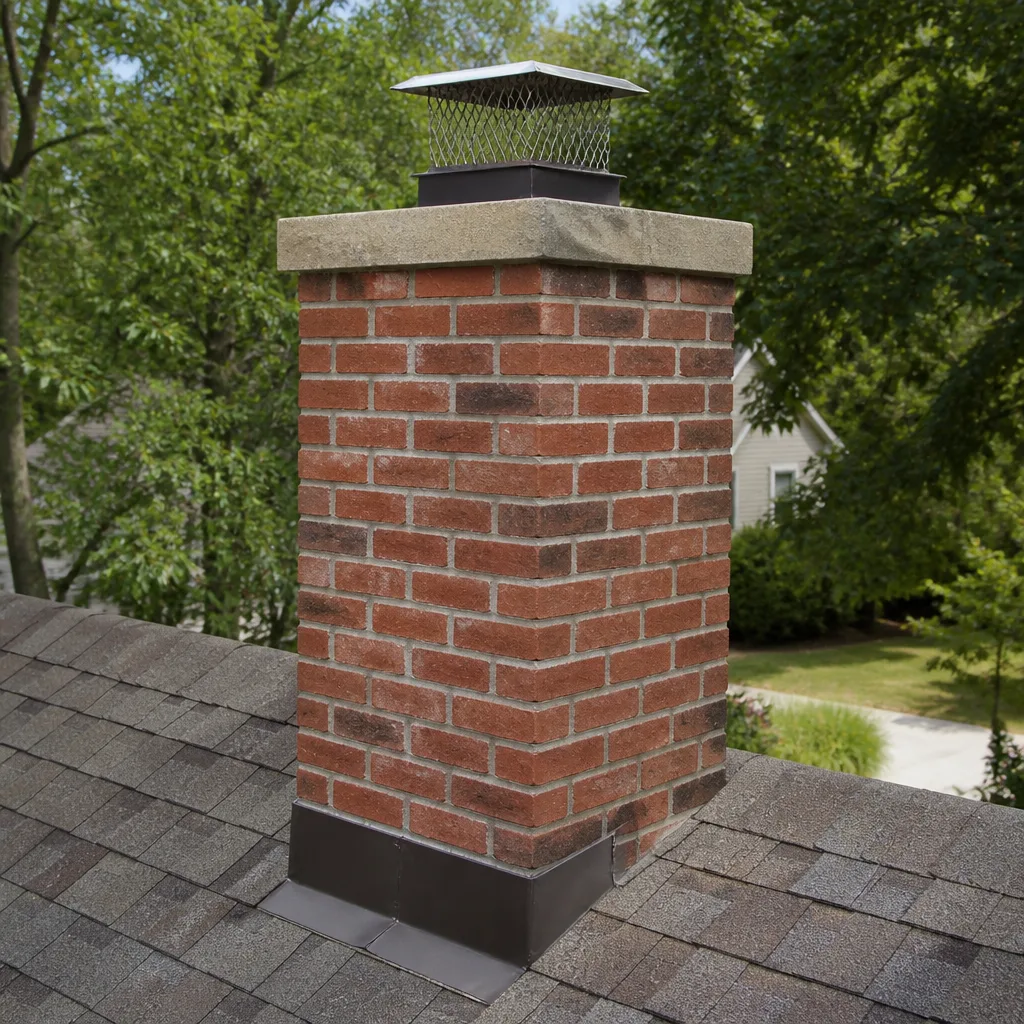
- Get outside and look at the chimney from a distance. Check for a tilted stack, cracked crown, loose or missing cap, displaced bricks, or mortar that has fallen off. Look at the roofline where the chimney meets shingles.
- Look inside the firebox and up the damper. Check for new cracks in the firebrick, soot patterns that changed, or pieces of tile or mortar resting on the smoke shelf.
- Check the attic and ceilings near the chimney for new cracks or dust. A shifted chimney often shows hairline cracks where it passes through the ceiling framing.
- Smell for gas or smoke indoors when no fire is burning. A sudden draft reversal or smoke smell after a quake can mean the flue is compromised.
- Book a professional inspection before the next fire. A camera inspection confirms whether the clay tile liner has cracked or shifted. This is the non-negotiable step.
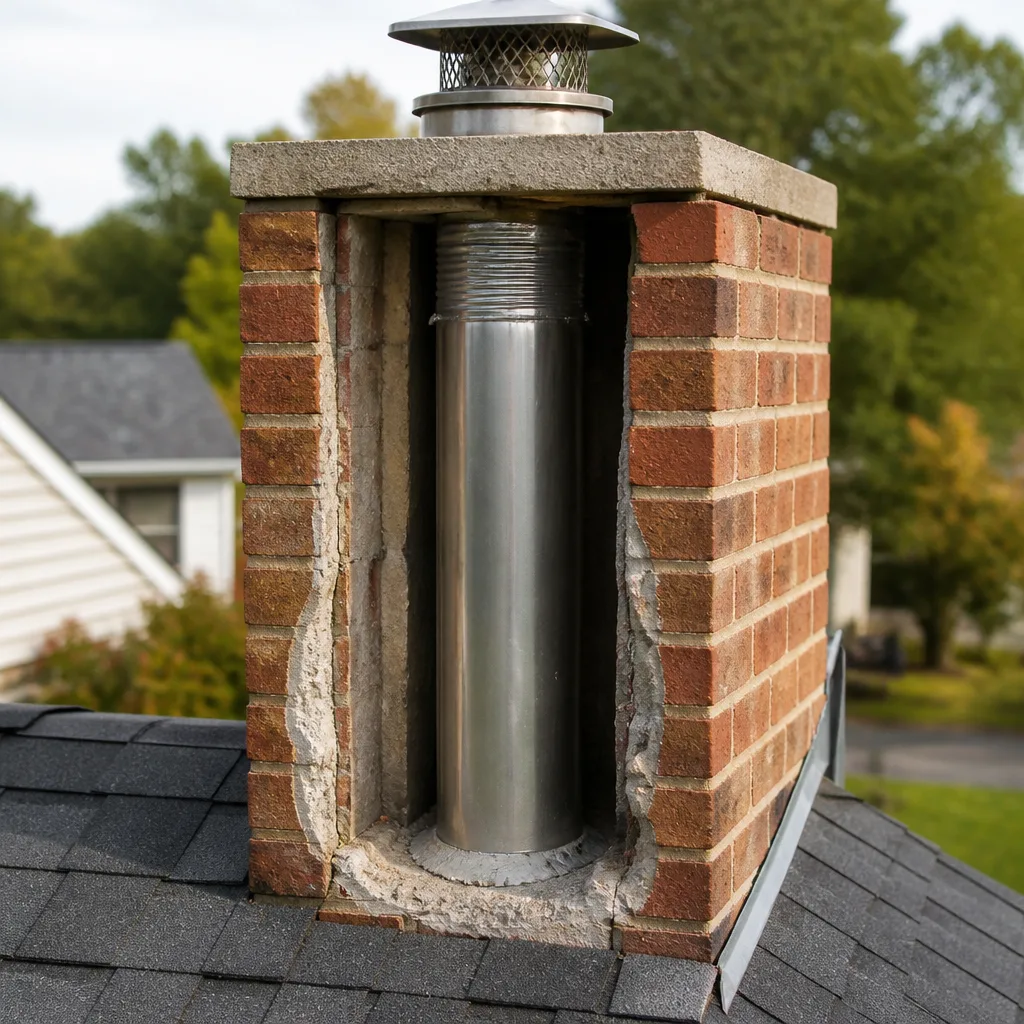
What’s deceptive about post-seismic chimney damage is that the chimney can look almost normal from the ground. A hairline crack in the clay liner may be invisible from outside and completely compromise the barrier between flue gases and the wood framing of the house. The chimney sweep and inspection process is how you find out for sure. If the liner has failed, we can resurface it with a HeatShield restoration rather than requiring a full rebuild in many cases, which is a repair most generalist handymen can’t offer.
If your chimney has visible leaning, crumbling mortar, or a cap sitting at an angle, keep everyone off the roof and get a structural assessment. A chimney that drops bricks after an aftershock is genuinely dangerous.
Ember Intrusion: What Cap Mesh Actually Blocks Firebrands
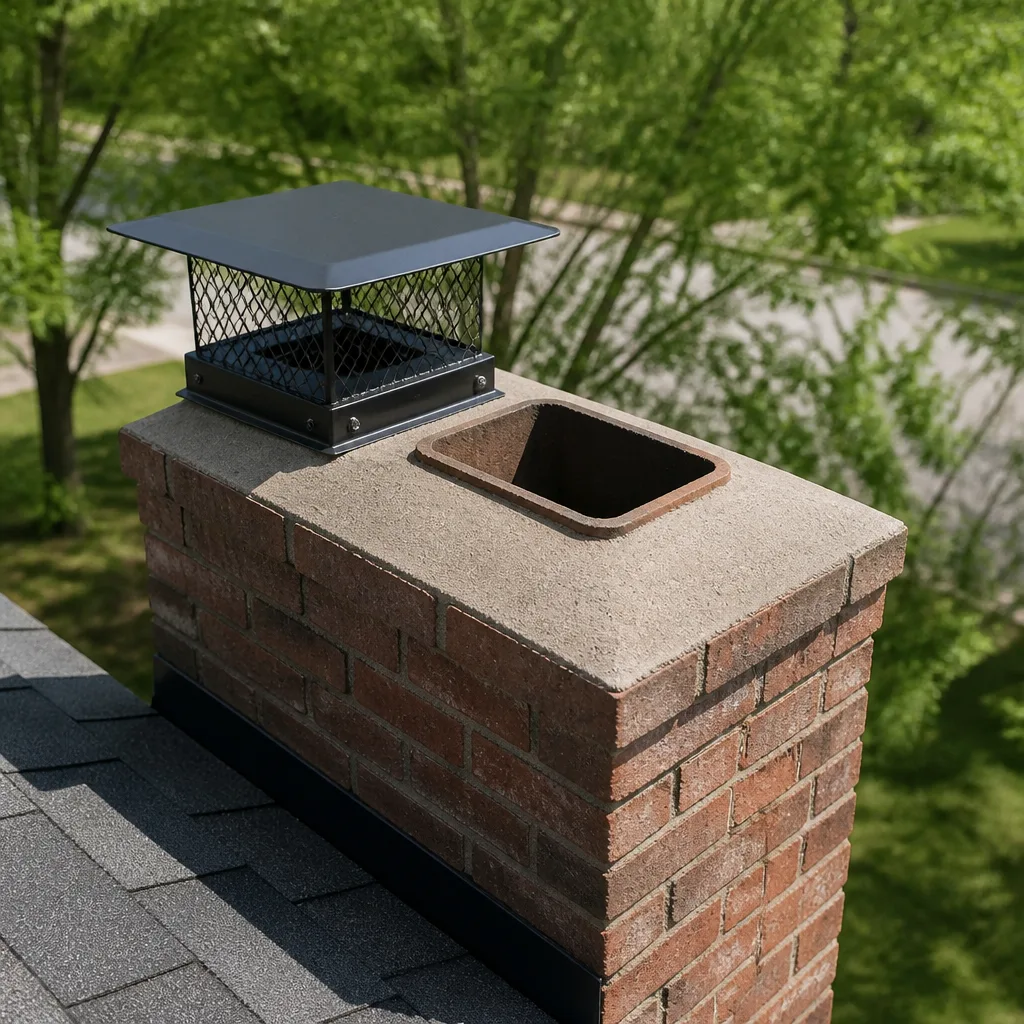
The mesh size on your chimney cap is a fire-preparedness spec, and most decorative caps get it wrong. Standard wildlife and rain caps often use mesh openings of 1 inch or larger. Firebrands that blow ahead of a wildfire can be far smaller than that and pass right through. A cap with 1/2-inch or smaller mesh is the practical standard for blocking embers, and 3/8-inch mesh is the more protective choice for homes in the hills where a wildfire can reach the neighborhood.
The catch is that smaller mesh clogs faster with creosote and debris. That’s why the cap and screen need to be part of your annual inspection. During a pre-season sweep we check the screen for buildup and clean it, so you’re not trading an ember gap for an airflow restriction.
A proper cap does several jobs at once:
- Ember screening. Small mesh keeps firebrands out of the flue opening.
- Water shedding. A capped chimney resists rain intrusion, which is the top cause of slow masonry decay in Southern California, where the rain comes in a concentrated season.
- Animal exclusion. Birds, squirrels, and raccoons nest in uncapped flues. A nest in a flue is a fire risk and a carbon monoxide risk.
- Draft protection. A well-fitted cap with side louvers reduces downdrafts on windy days.
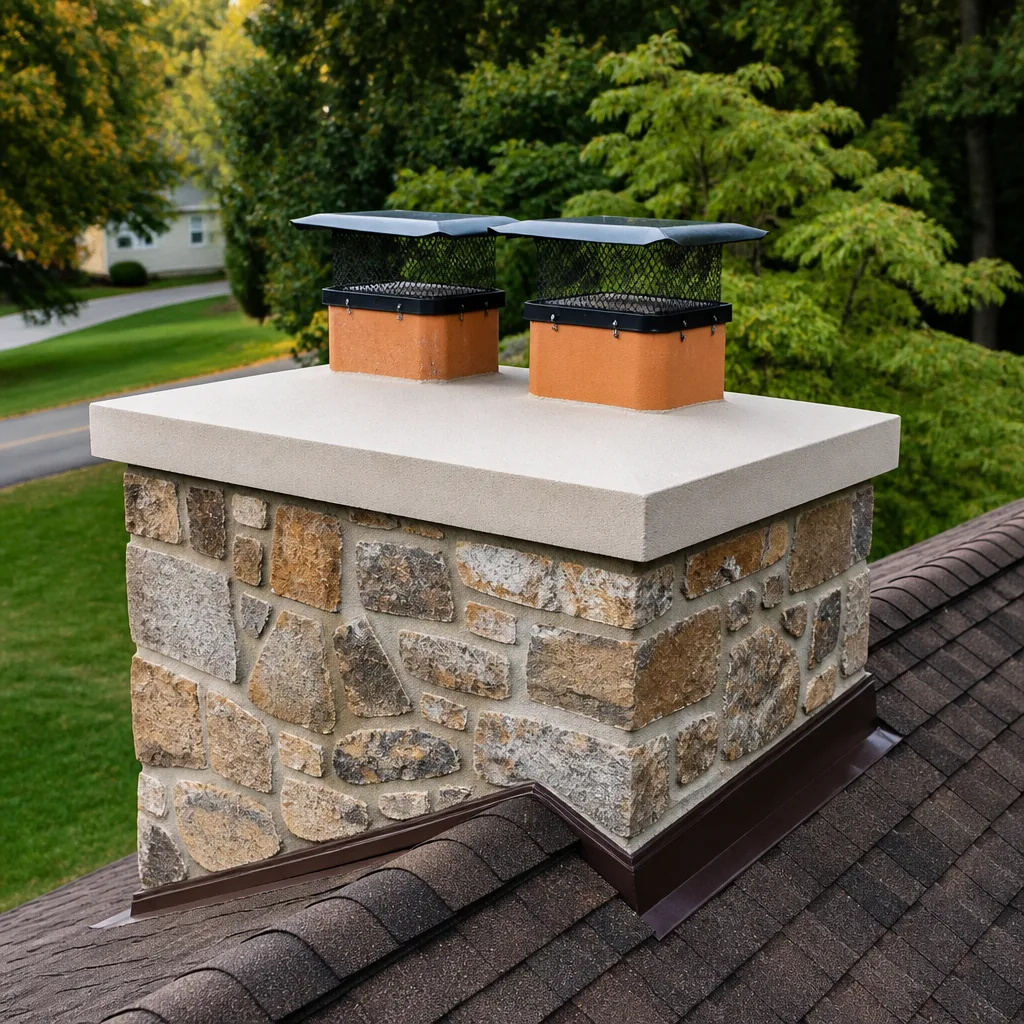
Caps are not all improvised. The chimney cap & crown installation we do uses engineered products from manufacturers like Olympia Chimney and Gelco, sized to the actual flue opening rather than clamped on as an afterthought. A decorative cap from a hardware bin can look the part and still be the wrong tool in an ember storm. If your cap mesh is 1 inch or larger, or your chimney has no cap at all, that’s a fix worth doing before fire season, not after.
This is the part of chimney safety most Eagle Rock homeowners have never heard, and it’s the one that most directly belongs in a wildfire preparedness conversation.
What to Do If You Suspect a Chimney Fire
A chimney fire is a fire moving through the black, gummy creosote that has coated the inside of your flue. If you suspect one is happening, the sequence matters and it’s calmer than most people imagine. Here’s what to do.
- Get everyone out of the house and call 911. A chimney fire can extend into the structure. Treat it as a house fire until a professional tells you otherwise.
- If you can safely reach it, close the glass doors or the firebox damper on the open fire. Cutting the fire’s oxygen supply helps, but do not stay to fight it.
- Do not throw water on the fire. Water on a hot flue can crack masonry and turn a contained problem into a structural one, and can create dangerous steam.
- Do not climb onto the roof. Falling embers, a hot cap, and an unsteady roof are all serious hazards. Let the fire department handle the chimney exterior.
- Stay out until the fire department clears the home. Then, before lighting another fire, book a full inspection. A chimney fire almost always damages the liner.
The classic signs of an active chimney fire are a loud roar like a freight train, balls of fire or dense dark smoke from the top of the chimney, and a strong burning smell indoors. But those dramatic signs are the exception, not the rule. Most chimney fires are small and self-extinguishing, and they leave behind cracked tile and warped metal that nobody notices until the next inspection finds it.
That’s why we treat the inspection as the real emergency tool: it’s what turns a hidden hazard into a known condition you can fix. The television and the couch aren’t the problem. The firebox and flue are where your attention needs to be.
How to Identify a Slow Chimney Fire
A slow chimney fire is a low-temperature creosote smolder that burns without a roar. It’s the most dangerous kind for a homeowner because it’s easy to miss and it does real damage to the liner over time. Instead of a train sound, you might notice a faint crackling, hissing, or a low rumble in the flue that fades. You might smell a chemical or acrid burning smell that isn’t quite the wood smoke you expect. Sometimes a puff of black smoke rolls out of the top of the chimney and then stops.
Other signs to watch for after a fire:
- Warped or discolored damper. A metal damper that looks heat-warped suggests high temperatures it wasn’t designed for.
- Creosote flakes on the roof or ground. Creosote that has dried and shattered can fall out of the flue after a hot event.
- A puffy, honeycombed texture inside the firebox. That’s a sign of a burned-out creosote glaze, not a clean burn.
- Soot streaks above the firebox or around the damper. These can indicate the smoke went somewhere it shouldn’t have.
- Tiles with new cracks. The liner is almost always where a slow fire leaves its evidence.
Any of these is a signal to stop burning and get an inspection. A slow chimney fire works on the flue the way a crack works on glass: it starts small, and the next hot fire finds the weak line. This is the scenario where a fireplace repair is often the smaller, cheaper half of what a slow fire causes. The liner restoration is the other half.
One practical way to reduce slow chimney fire risk is to burn dry, seasoned wood and avoid long, slow, smoky burns with the damper nearly closed. That kind of burn builds the glazed creosote that fuels a smolder in the first place. A sweep is the other half of the answer.
Pre-Fire-Season Inspection: Why September Beats November
There’s a timing argument to make about chimney maintenance in Eagle Rock, and it runs counter to how most people do it. Many households wait until the first cold night, then call for a sweep and a repair when the queue is longest and the early-season fires are already burning. The better plan is a sweep and inspection in September, before Santa Ana wind conditions arrive.
Here’s why the order matters:
- Sweeps clear the fuel. Creosote buildup is the fuel for a chimney fire. Sweeping in late summer means the flue is clean going into fire season, when a power outage or a forced evacuation can push you to light a fire you weren’t planning to use.
- Repairs get scheduled before the crunch. If an inspection finds a cracked liner or a failed cap, September gives you time to schedule a proper repair with the right materials. In November, “waiting for parts” becomes a real problem.
- The cap and screen get checked before ember weather. A clogged or missing screen is a pre-season fix. You don’t want to discover it the week the winds arrive.
- It fits the local weather rhythm. Eagle Rock’s summer is dry, and the first rains of the year are still ahead, so cap and crown work done in early fall has time to cure and prove itself before winter rain tests it.
We use the same materials the industry’s top manufacturers supply to certified professionals, including DuraFlex and Copperfield liners and HeatShield resurfacing products, and doing the work in a calm season means the right product gets installed correctly, not hastily. A spring sweep is fine too. The point is to stop making the chimney a November emergency. Call (855) 506-8977 to book a pre-season inspection before the winds pick up. We answer 24/7 and provide fast dispatch from 7am to 7pm, Sunday through Friday.
Eagle Rock Housing Stock and What It Means for Your Flue
The age of the house tells you a lot about the chimney you can’t see. In the older parts of Eagle Rock, particularly the bungalows and Spanish-style homes from the 1920s and 1930s, the typical chimney is a masonry stack with a clay tile liner. Those liners were built to last, but nothing lasts forever, and after decades of heating cycles they develop cracks and gaps at the joints. A cracked tile liner is the source of most of the “do I really need a new liner?” calls because the homeowner can’t see what the inspector sees. That’s why we never recommend liner work without a camera inspection and a photo report you can look at yourself.
Homes built closer to mid-century often have a slightly different chimney arrangement, and the newer infill and renovation stock may have been retrofitted with a stainless steel liner, sometimes well and sometimes not. The stainless systems we work with, including DuraFlex, are built to be installed to spec. A poorly fitted retrofit is a leak waiting to happen, and a camera inspection is how you tell a good retrofit from a shortcut.
What this means in practice:
- Pre-1940 bungalows: expect to find clay tile liners, possible gaps at the joints, and higher odds the crown has weathered.
- Mid-century homes: check the mortar joints and cap attachment; original caps are often undersized for modern fire risk.
- Renovated and flipper-era homes: a camera inspection confirms whether the liner was actually replaced or just cleaned and forgotten.
- Hillside home edge of any age: ember exposure rises with proximity to open hillside and brush, so a proper mesh cap earns its place.
The chimney stack is a system, and the condition of that system is what matters, not the age of the house on its own. In Eagle Rock, homes that have never been inspected are the ones where we find the surprises. Homes with a regular inspection record mostly hold up, and the Chimney Sweep Eagle Rock team can set up both the inspection and the repair in the same visit.
Common Mistakes to Avoid
- Waiting for the first cold night to schedule a sweep. That’s when every Eagle Rock household with a fireplace calls at once. Book the sweep in late summer so you’re not competing for a slot during fire season or the first cold snap.
- Treating the cap as decoration. A cap with 1-inch mesh doesn’t block embers, and a missing cap invites animal nests, rain intrusion, and downdrafts. Match the mesh to the risk, and get it checked every season.
- Lighting a fire after a quake without an inspection. The chimney can look fine and still have a cracked liner. A free estimate is not a substitute for a camera inspection; the inspection is what finds the real condition.
- Assuming a slow chimney fire is “just the wood.” A faint hiss, a chemical smell, or a puff of black smoke is a reason to stop burning and call, not to add another log.
- Trusting a generalist handyman to restore a liner. HeatShield resurfacing and DuraFlex liner installation are specialized work. The materials and the technique are not interchangeable, and a bad liner job is worse than an honest old one.
- Skipping the pre-season inspection because your chimney “worked fine last year.” The liner condition changes with every fire. Last year’s performance doesn’t tell you the current state of the flue.
- Ignoring chimney repair because the fireplace still draws. A chimney can draft fine and still have structural damage to the crown, the cap, or the crown-to-flue seal. Water intrusion is patient and starts quietly.
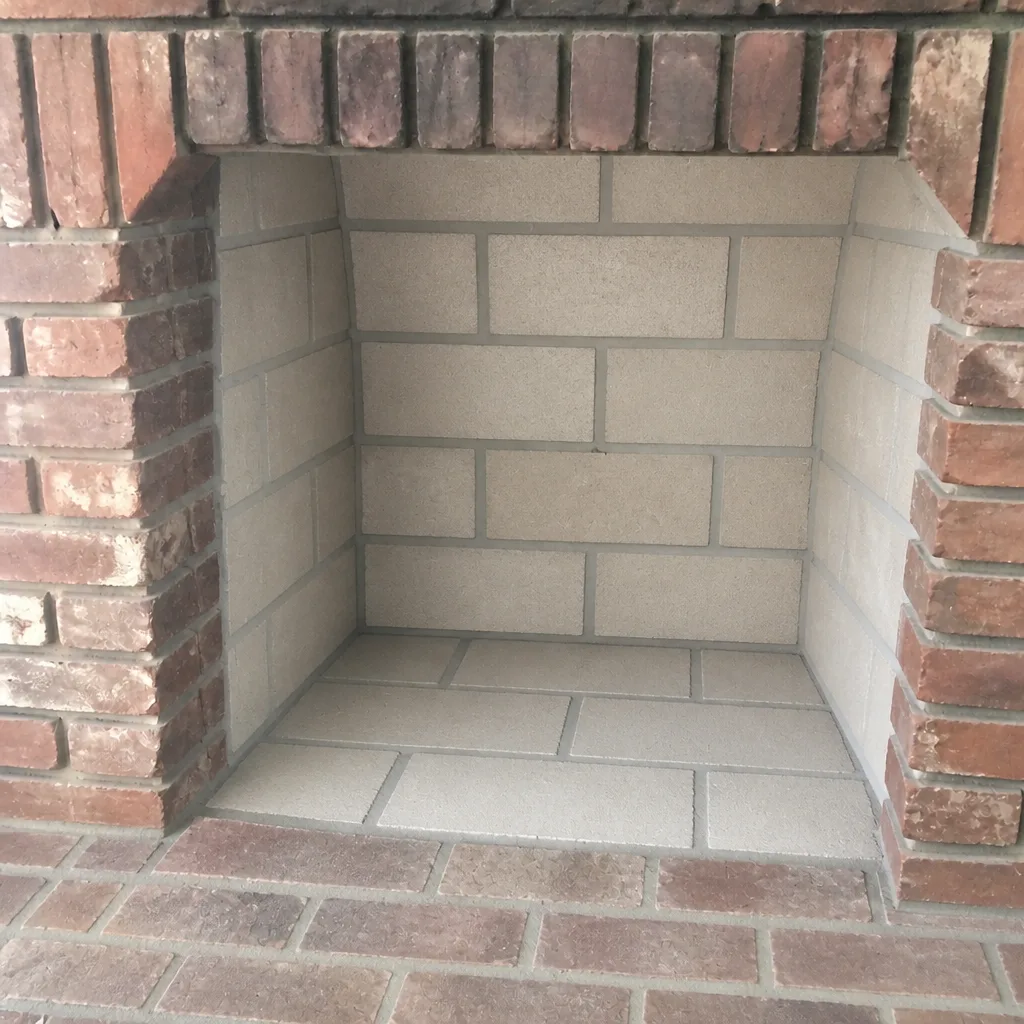
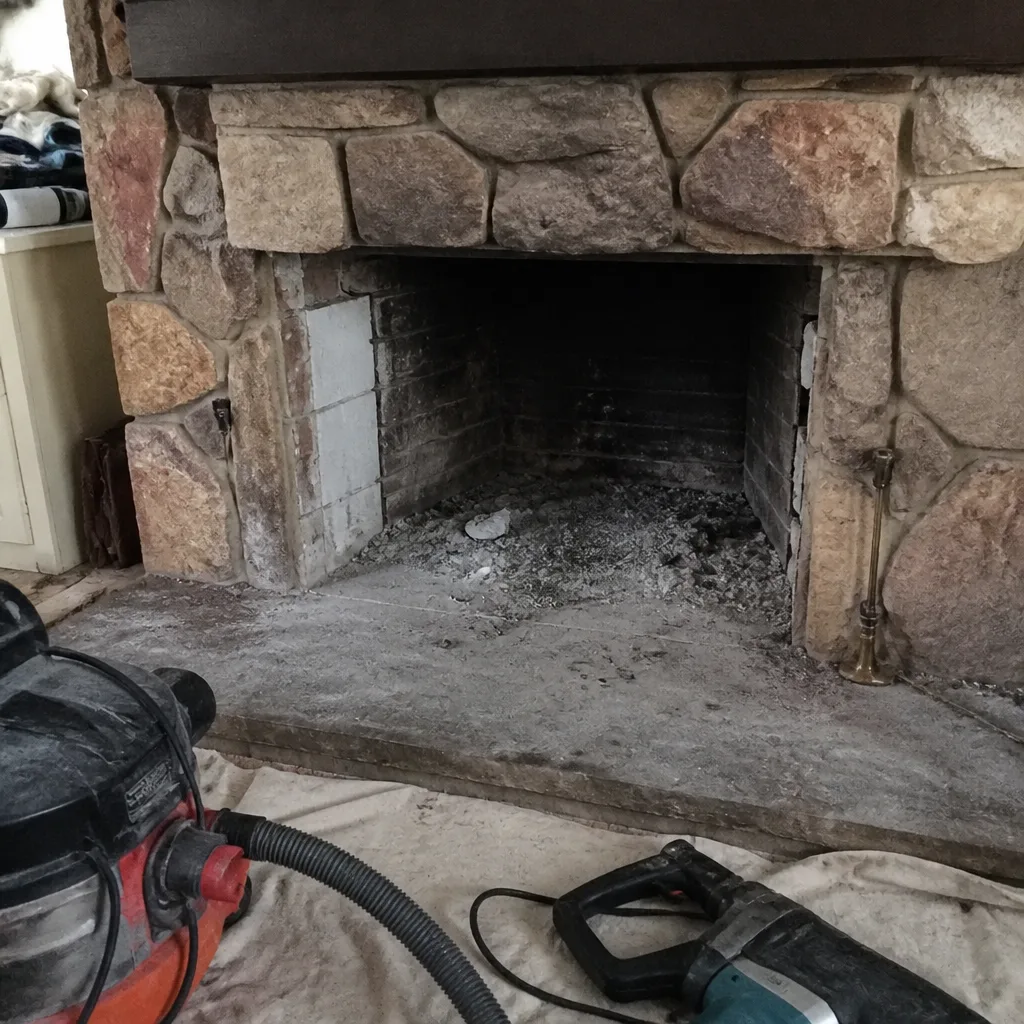
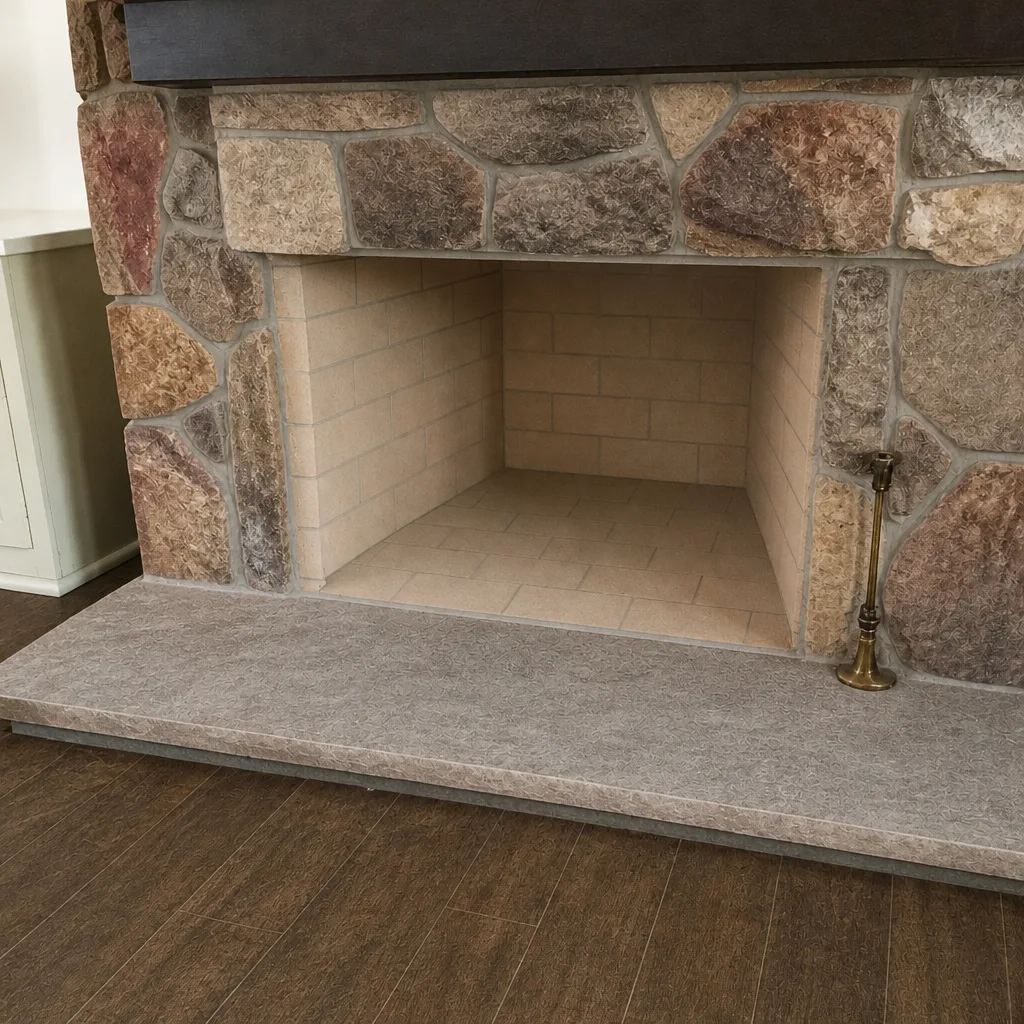
See the difference
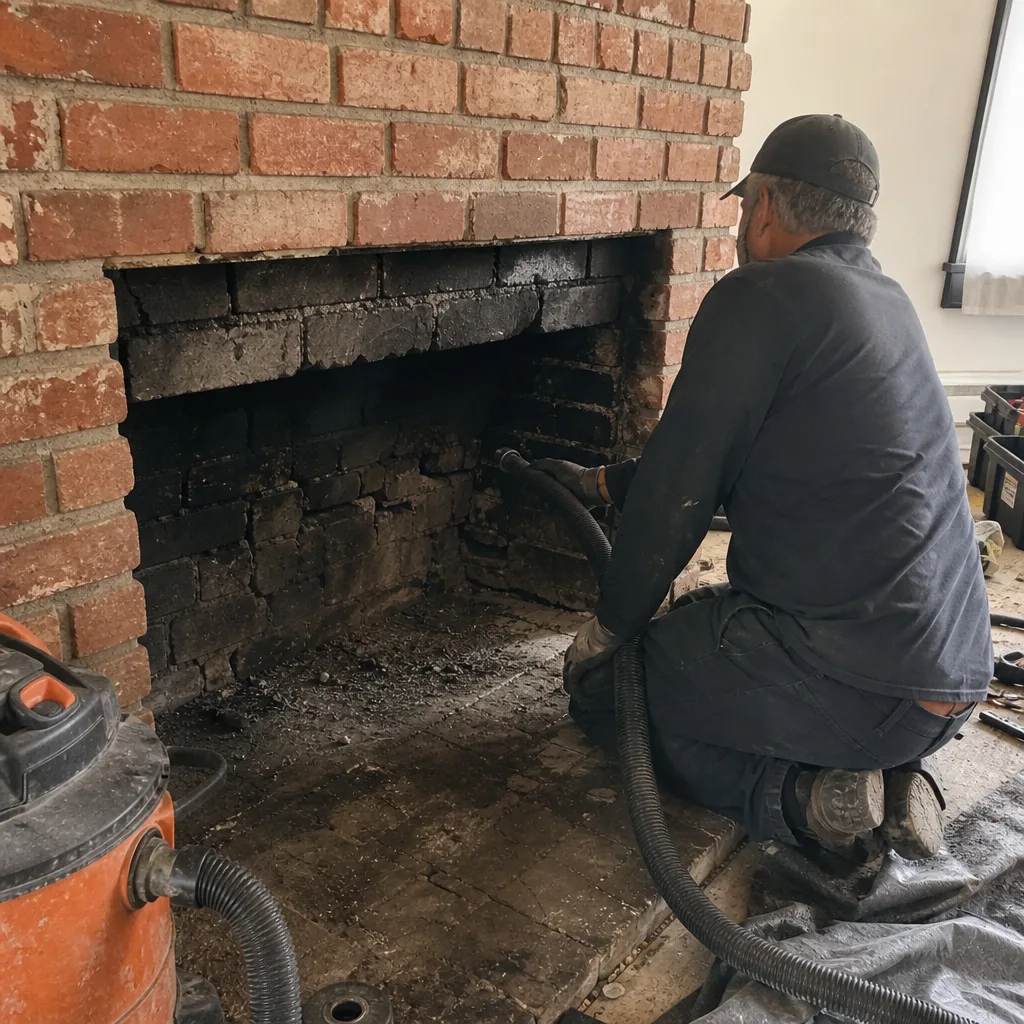 Before
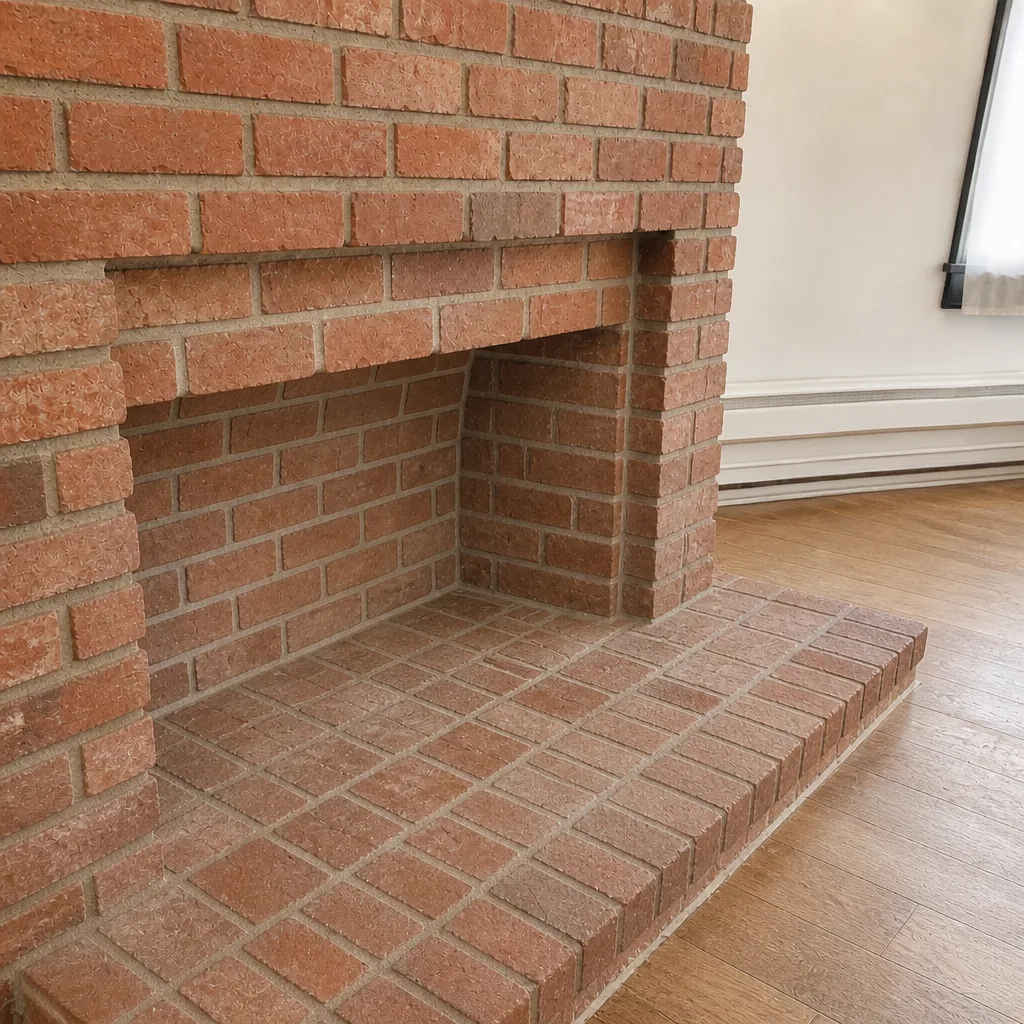 After
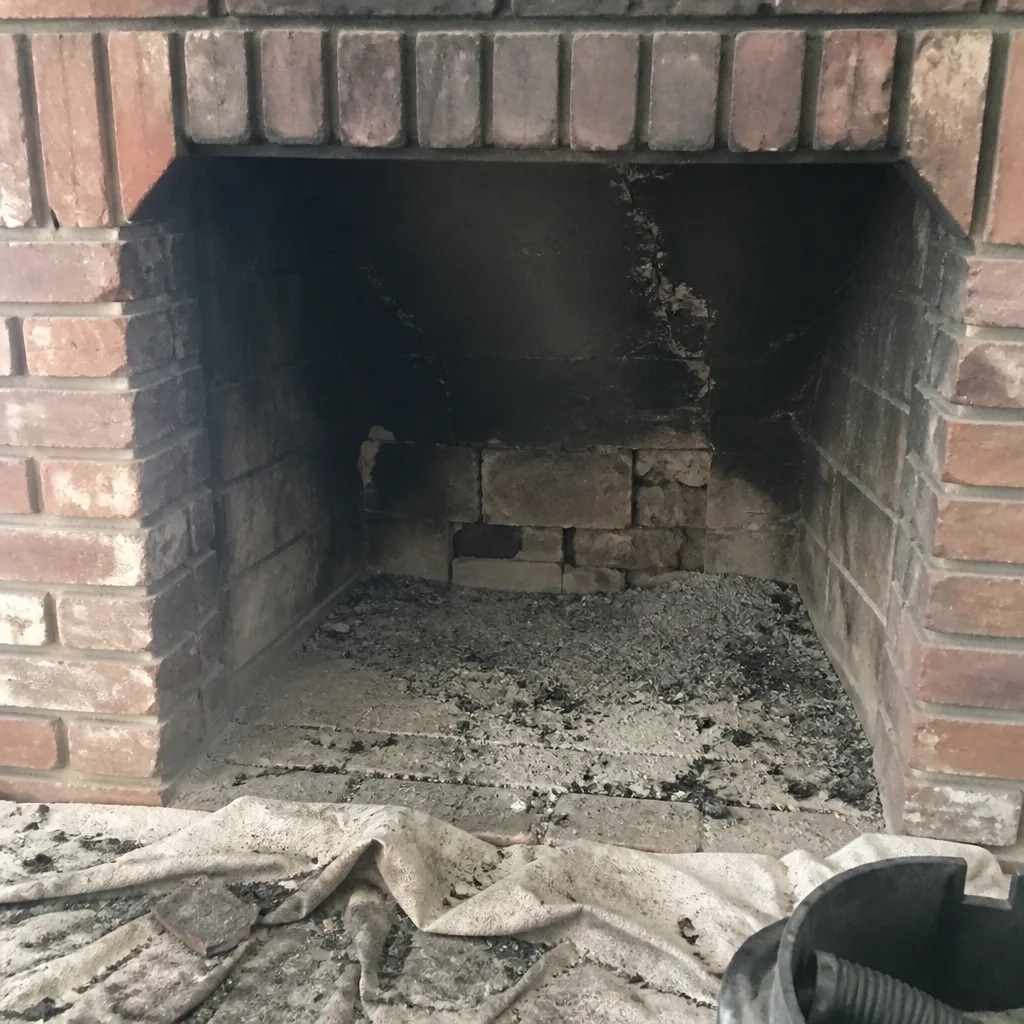 Before
 After
 Before
 After
When to Call a Professional
Call a professional when you’re unsure, and especially when any of these are true: the chimney has a tilted stack, cracked crown, or missing cap; you’ve felt a 4.0+ earthquake and haven’t had the flue inspected; you smell smoke or gas indoors with no fire burning; you’ve had a chimney fire or suspect a slow one; there’s water staining on the ceiling or bricks near the chimney; or you’ve never had an inspection in a home you own. Those are all situations where a trained technician should be the one looking, because the diagnostics live inside the flue where the homeowner can’t see. Chimney Sweep Eagle Rock offers free estimates in Eagle Rock, plus a camera inspection with a photo report so you can see what we see. Call (855) 506-8977.
Frequently Asked Questions
Look from the ground for a tilted stack, cracked crown, missing cap, or fallen bricks, and check the firebox and damper area for new cracks or debris. Any of those means stop burning and get a camera inspection before the next fire. Stop using the fireplace entirely until it’s been checked.
1/2-inch or smaller mesh is the practical standard, and 3/8-inch is more protective for homes near open hillside where ember exposure is higher. Standard decorative caps with 1-inch mesh openings let firebrands through. The tradeoff is that smaller mesh clogs faster, so it needs to be checked and cleaned at each inspection.
Look for a faint hiss or crackle that fades, an acrid or chemical smell after a fire, warped damper metal, creosote flakes on the roof, or new cracks in the flue tiles. Any of those signs means stop burning and book an inspection. Slow fires often self-extinguish and leave behind liner damage nobody notices until the next camera inspection.
You can, but it’s the wrong order. Creosote is the fuel for a chimney fire, and a clean flue is the safest starting point going into Santa Ana season. A sweep and inspection in September means repairs can be scheduled before the cold-weather crunch. Post-season sweeps are fine too, but they don’t protect the season that already passed.
An inspection every heating season is the standard most homes should follow, especially older Eagle Rock homes with clay tile liners. Homes with a fireplace that’s used regularly, or homes with any history of chimney fire, should not skip it. The inspection is how you find out whether the sweeps and repairs are actually holding up.
An uncapped chimney is an open vertical path that firebrands can enter directly. The same opening lets animals nest and water in, which quietly degrades the interior over time. A cap with proper mesh closes an entry point that is otherwise wide open, and it’s one of the cheapest preparedness upgrades on a home.
Is it a problem to burn wet wood in Eagle Rock?
Yes. Wet wood burns cool and smoky, and that is exactly what creates glazed creosote, the fuel for both slow and active chimney fires. Dry, seasoned wood and a hot burn with the damper open are the safe habit. The creosote buildup that wet wood creates is exactly what annual sweeps remove.
The Bottom Line
Emergency preparedness for your chimney in Eagle Rock comes down to the whole flue system in a known state before trouble arrives. Get the inspection and sweep done before fire season, not after; treat the cap and 1/2-inch-or-smaller mesh as wildfire infrastructure, not decoration; stop burning and call after any 4.0+ shake until the flue has been inspected; and learn the signs of a slow chimney fire so the quiet ones don’t go unnoticed. When the work is done, use one team from sweep to liner restoration. We’ll tell you exactly what we found and exactly what it means, and nothing gets recommended without camera evidence you can see. Call (855) 506-8977 for a free estimate. We answer 24/7. Fast dispatch from 7am to 7pm, Sunday through Friday.
Written by the team at Chimney Sweep Eagle Rock.