
Last updated November 22, 2026
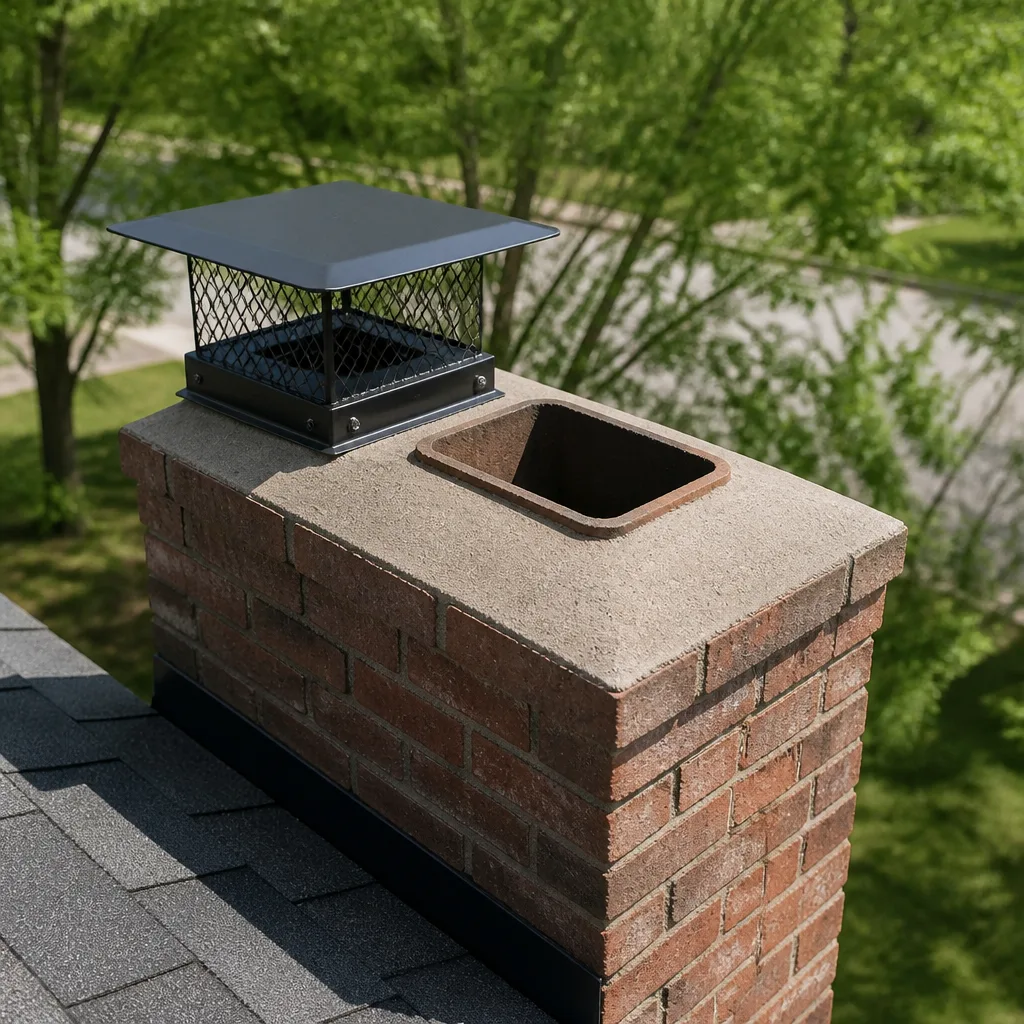 Sweep & inspection
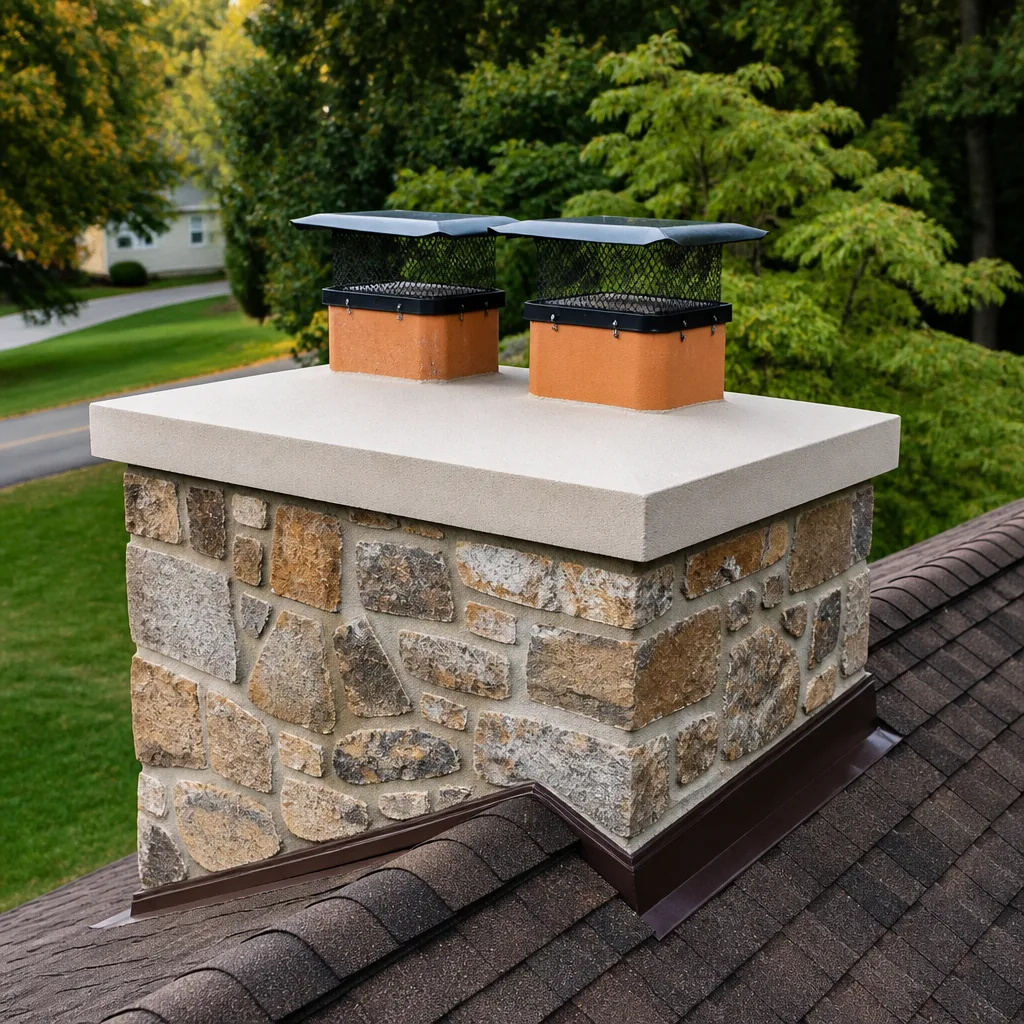 Caps & crowns
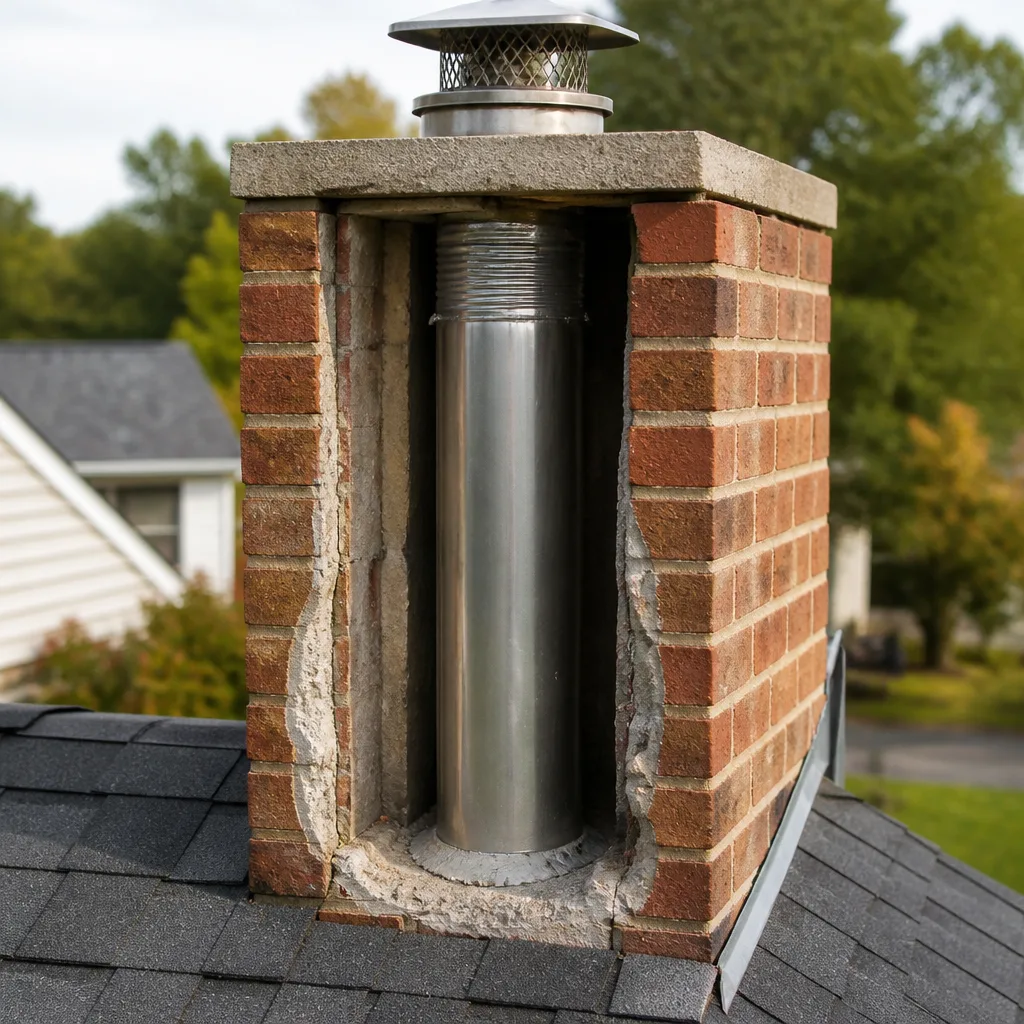 Flue relining
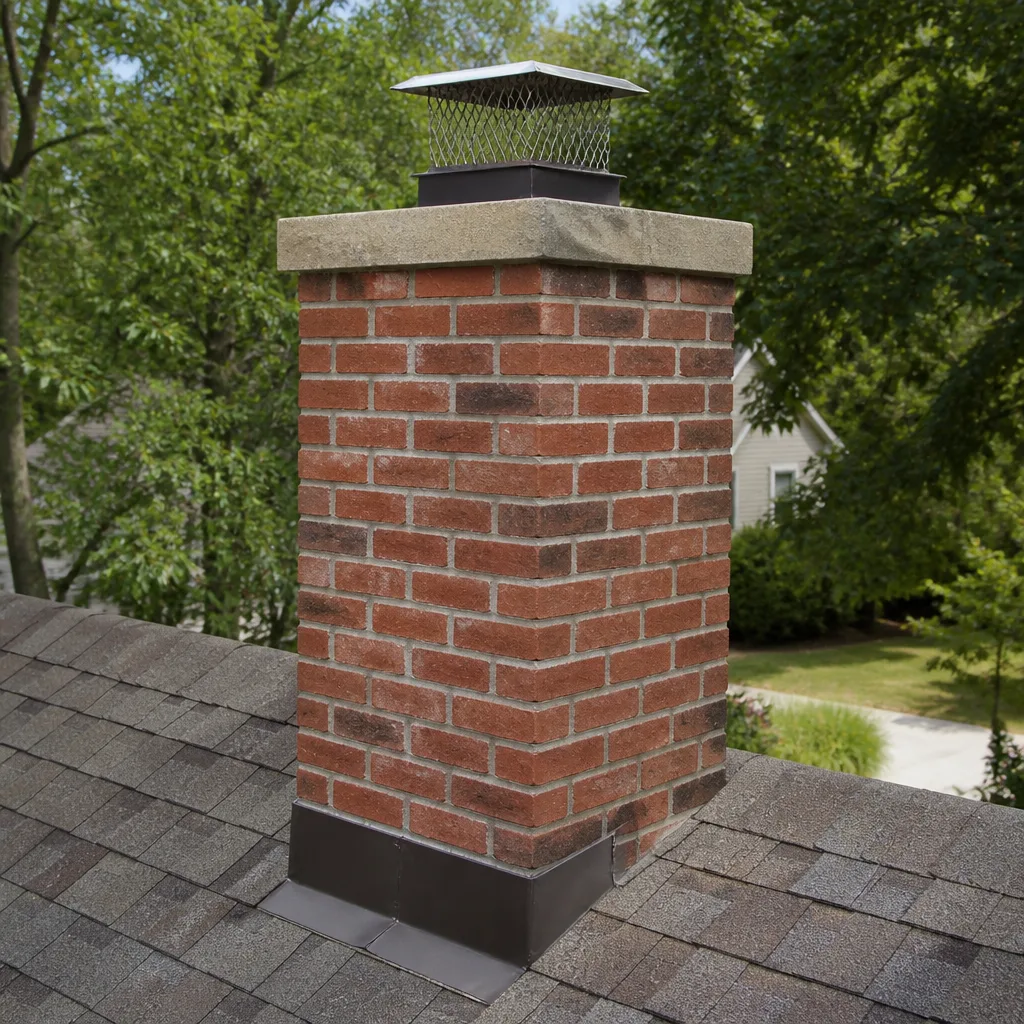 Masonry repair
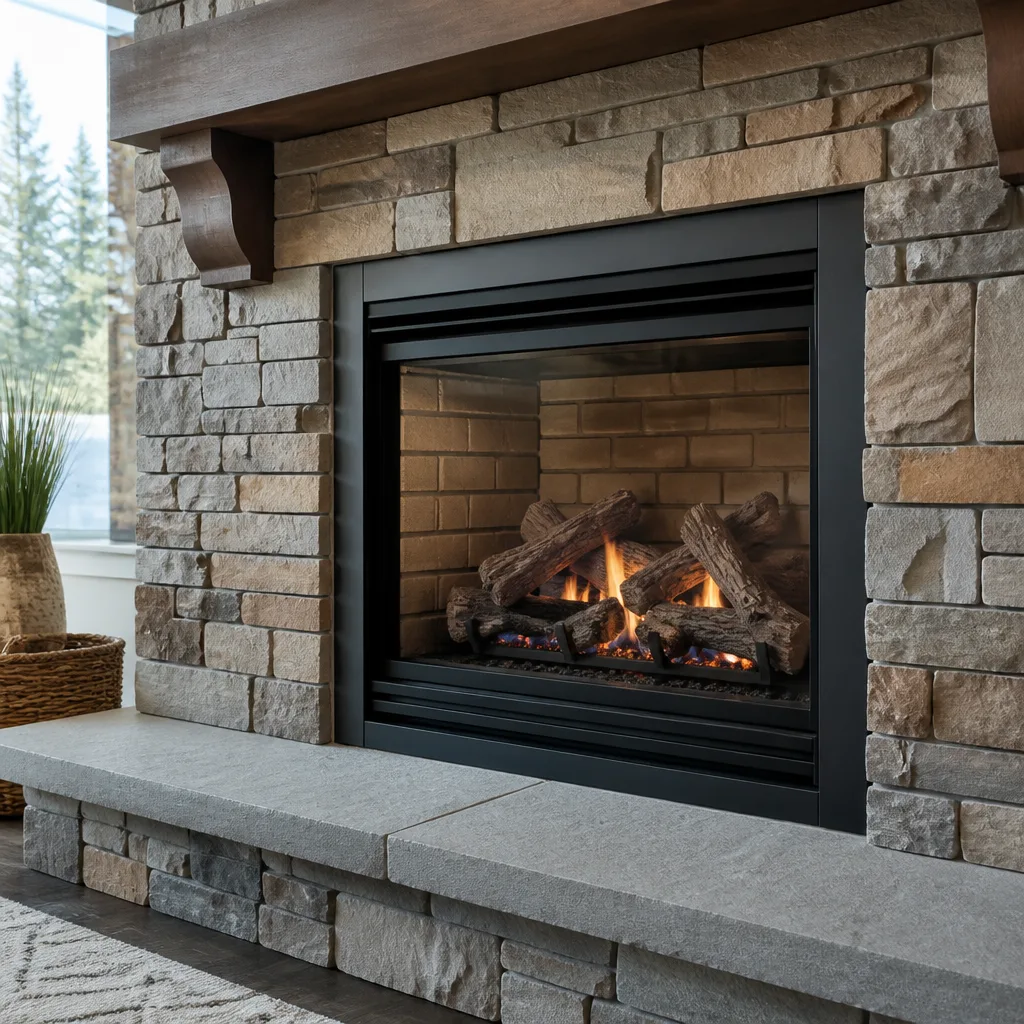 Gas fireplace service
Level 1 sweep and inspection to the NFPA 211 annual standard - flue, crown, cap, and flashing checked and photographed
Chimney sweep logs do not sweep chimneys. They loosen some creosote - which then falls where a brush and vacuum still have to collect it.
Chimney Sweep Maintenance Checklist for Eagle Rock Homeowners
The damper is the most-handled part of your chimney and the least inspected. You open and close it every time you light a fire, yet most homeowners have never looked at whether it actually seals. A damper that hangs slightly open wastes heat all winter and lets cold air, debris, and the occasional bird down the flue. Checking it takes two minutes. In our experience, it’s the single most skipped item on a home chimney checklist. This guide organizes chimney maintenance into three tiers that matter: what you can see and test from inside your living room, what’s visible from the roof and ground, and what only a flue camera reveals. Knowing which tier a problem lives in stops you from over-booking service and from missing real trouble. We’ll walk through all three, with Eagle Rock specifics built in.
Styles & brands we work with
- Sweep & inspection
- Caps & crowns
- Flue relining
- Masonry repair
- Gas fireplace service
Quick Answer
A chimney maintenance checklist divides into three tiers: homeowner-visible items (damper seal, firebox cracks, smoke shelf debris), exterior observables (cap, crown, flashing, brick staining), and professional-only checks (flue liner condition, smoke chamber parging, hidden joint deterioration). Most Eagle Rock homeowners should do the visual tier monthly during burn season and book a professional sweep and inspection annually, plus a check after any major Santa Ana wind event. The tiers matter because mixing them up leads to either unnecessary service calls or missed liner damage.
Table of Contents
- Tier One: What You Can Check From Inside the House
- Testing Your Damper Seal With a Dollar Bill
- Tier Two: What’s Visible From the Roof and Ground
- What White Staining on Exterior Brick Actually Means
- Santa Ana Winds: What to Check After a Wind Event
- Tier Three: What Only a Flue Camera Reveals
- The Annual Photo Log: A Step Most Checklists Skip
- A Maintenance Calendar for Eagle Rock Chimneys
- Common Mistakes to Avoid
- When to Call a Professional
- Frequently Asked Questions
- The Bottom Line
Tier One: What You Can Check From Inside the House
The first tier is everything reachable without a ladder. You can do these checks yourself, and doing them consistently saves you from calling a professional for things you could have spotted. Better, it teaches you what your chimney’s normal looks like, which makes changes obvious later.
Monthly during burn season
- Open the damper fully and close it fully. Feel for any binding, grinding, or a damper that won’t seat flush. A damper that sticks open is a heat leak. A damper stuck closed means smoke in the room.
- Look up the flue with a flashlight. You won’t see the whole flue this way, but you can see the first few feet. Look for heavy soot buildup, shiny glazed creosote, or any cracked flue tile edges.
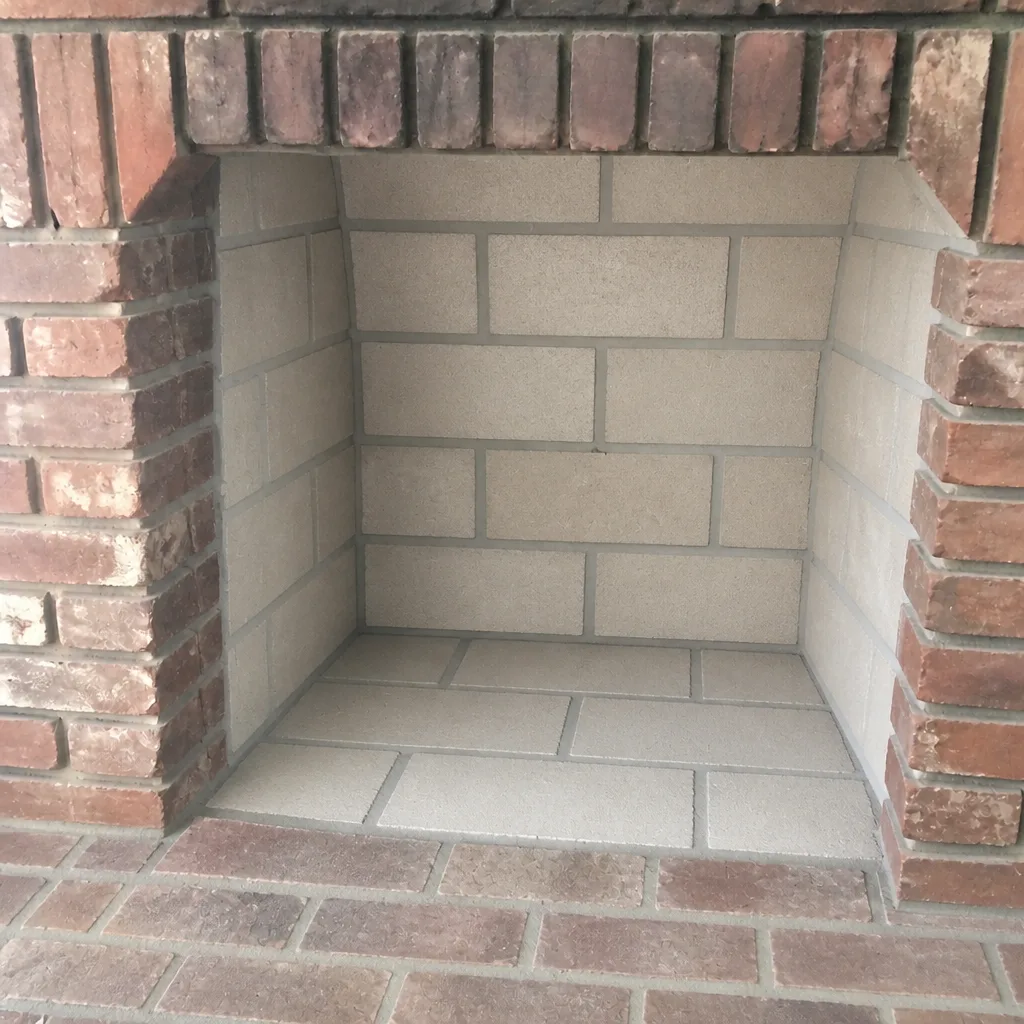
- Inspect the firebox walls and floor. Hairline cracks in firebrick are common and often harmless. Cracks you can fit a coin into, or any loose or missing brick, are not. Those let heat and combustion gases reach framing or masonry behind the firebox.
- Check the smoke shelf. That’s the flat-ish ledge just behind the damper. Debris, ash, and even bird nests collect there and restrict draft. If you can reach it with a small brush and vacuum, clear it.
- Look at the firebox-to-hearth joint. Any gap between the firebox floor and the hearth can let embers through. This is worth a photograph, not a DIY repair.
What to note
Write down anything you see: rust on metal fireplace components, white powdery residue on the inside brick, smoke rolling out of the firebox on a cold start, or the smell of smoke in a room when no fire is lit. Each of those points to a different cause, and a technician can use your notes to diagnose faster. In our experience, homeowners who keep notes get more useful answers from a professional visit.
Why this tier comes first
The homeowner tier catches the problems that don’t need roof access: a damper that isn’t sealing, a firebox losing integrity, a clogged smoke shelf, or the early signs of a draft problem. These are the items you can act on now. They’re also the items most likely to be missed if you only think about your chimney once a year when you call for a sweep.
Testing Your Damper Seal With a Dollar Bill
A damper that closes but doesn’t seal is a common problem and one that never shows up on a standard checklist. You can test yours with a dollar bill in about a minute. The idea is to see whether the damper’s metal plate presses evenly against its frame all the way around. If it does, it’s sealing. If the bill slides out easily at one point and holds tightly at another, the plate has warped, the frame has bent, or hinges have worn.
The dollar bill test, step by step
- Make sure the fireplace is completely cold. No ash, no embers, nothing.
- Open the damper, close it, and note how far you had to push to close it fully.
- Reach into the firebox and locate the damper plate. On some units you’ll need to remove the fireplace grate or andirons for access.
- Insert a dollar bill between the plate and the frame, then close the damper on it.
- Pull the bill gently. It should resist evenly. Repeat at four points: front, back, left side, right side.
- If the bill slides out with no resistance at any point, the damper isn’t sealing at that spot.
The incense stick test
You can also test a closed damper with a lit incense stick. Light it, hold it near the closed damper frame, and watch the smoke. A sealed damper draws the smoke nowhere. A leaking damper pulls the smoke up into the flue or pushes it out into the room. Do this only with a cold fireplace and no fire burning. It’s an easy way to see whether a “closed” damper is really closed.
What to do about a leaking damper
Damper repair or replacement is a fireplace repair job, not a cleaning job. Some older dampers can be adjusted or have their hinges replaced. Others need a new damper assembly, and some benefit from a top-sealing damper installed at the crown. If your dollar bill slides out freely at multiple points, it’s worth having the damper looked at when you book your fireplace repair service call. It’s a cheap fix that pays for itself in heating efficiency.
Tier Two: What’s Visible From the Roof and Ground
Tier two covers exterior elements you can see from the ground or, if you’re comfortable and safe, from a ladder. We don’t recommend you climb onto your roof to inspect your chimney. Falls are a real risk, and roof surfaces in Eagle Rock’s older housing stock can be fragile from long sun exposure. Use binoculars from the ground instead. You’ll see most of what you need.
What to look for from the ground
- The chimney cap. Is it still attached, or has it rusted, blown off, or been pushed sideways? A missing cap lets water, birds, and debris straight into the flue. Chimney cap & crown installation is one of the most effective ways to keep water out, and it’s a job we handle as part of full chimney care.
- The crown. That’s the sloped concrete or masonry top of the chimney. Look for cracks, crumbling edges, or a crown pulling away from the flue. Cracks in the crown are the main way water enters a chimney from above.
- Flashing. The metal seal where the chimney meets the roof. Look for gaps, lifted edges, or rusted-out spots. Roof leaks often start at the flashing.
- Chimney chase cover or panels on prefab or wood-framed chimneys. Look for rust-through or dented panels, especially after a windy period.
- Mortar joints. Are they tight and straight, or crumbly and recessed? Spalling brick (brick faces flaking off) and recessed mortar point to moisture damage.
- White staining on the brick. This is the item most homeowners ask about, and it’s covered in the next section.
How often
Check the exterior tier seasonally: once in the fall before your first fires, and once in spring after the burn season ends. Add a check after any Santa Ana wind event. If you spot damage from the ground, get it looked at rather than climbing up yourself.
Why roof work needs a specialist
Cap and crown work looks simple. It isn’t, for two reasons. First, the crown has to slope correctly to shed water, or you’ll trap water against the flue. Second, cap sizing has to match flue type and draft requirements. We use recognized product lines like Gelco, Famco, and Olympia Chimney for cap and crown work specifically because those are engineered components, not improvised patches. Getting the materials right matters more than most homeowners realize.
What White Staining on Exterior Brick Actually Means
A white, powdery, or crusty stain on your chimney’s brick is not cosmetic. It’s a symptom of moisture moving through the masonry. The technical name is efflorescence. When water gets into brick and then evaporates out, it carries dissolved salts with it. Those salts dry on the brick surface as a white deposit. Seeing it means water is getting in somewhere and finding its way out through the brick face.
Where the water gets in
The entry point could be a cracked crown, a failed flashing joint, missing or damaged cap, or deteriorating mortar joints. Sometimes it’s all four. Efflorescence alone doesn’t tell you which one. It tells you one or more is happening. That’s exactly why it belongs on a checklist: it’s an indicator you can see from the ground, weeks or months before a full chimney failure shows up as a ceiling stain or interior moisture.
What to do about it
- Photograph it. Note the location and pattern. This is your baseline.
- Do not power-wash it. Power-washing drives water deeper into the brick and makes it worse.
- Do not seal it with a clear sealer. Sealing the outside of a wet chimney traps moisture inside. Masonry needs to breathe.
- Have the chimney inspected to find the water entry point. Crown, flashing, cap, and mortar joints all need to be looked at, and so does the flue inside, since water that goes in has to go somewhere.
Why this is a checklist item
Efflorescence is one of the few exterior warning signs you can see without a lens or a ladder. If you check for it every season, you’ll catch moisture intrusion early, when the fix is crown repair or flashing work. Left for years, that same moisture damages the flue liner from the outside. That’s the difference between a repair and a resurfacing or relining job. If you see white staining that’s spreading, or white staining with any sign of interior moisture, book a chimney inspection in Eagle Rock to find the source before another rainy season.
Santa Ana Winds: What to Check After a Wind Event
Santa Ana winds are one of Eagle Rock’s most specific chimney stressors. These dry, gusty offshore winds funnel through the canyons and ridges around the neighborhoods, and they do two things to a chimney. First, they drive debris into flues and onto caps. Second, the pressure differences they create can back-draft a flue, pulling soot and ash down into the firebox and even the room. After a serious Santa Ana event, most homeowners notice the result without knowing what caused it: a smoky smell in the house, soot crumbs on the hearth, or a fire that won’t light cleanly the next time they try.
What to check after a wind event
- Cap integrity. Look from the ground for a cap that’s shifted, dented, or missing. Wind can push a loose cap right off.
- Debris in the firebox. Soot flakes, ash, and small leaves blown down the flue often collect just inside the firebox and smoke shelf. Vacuum gently when the fireplace is cold.
- Damper seal. Run the dollar bill test again. Winds can knock a damper slightly off its seat.
- Creosote shake-loose. Heavy creosote deposits can crack and fall in high wind. If you see soot chunks in the firebox after a wind event, it’s time for a sweep before the next fire.
- Odor in the house. A smoky smell with no fire lit means the flue is back-drafting, usually because the cap is compromised or the flue has debris in it.
Why this belongs on a chimney checklist
Most general chimney checklists were written for cold-climate houses where snow and freeze are the seasonal stressors. Eagle Rock’s seasonal stressor is wind, not cold. A checklist that doesn’t include “check after Santa Ana winds” is missing the local condition most likely to cause a problem. It’s also the easiest condition to act on: a quick ground-level look and a vacuum of the firebox after a wind event costs nothing and catches problems before the next fire.
Tier Three: What Only a Flue Camera Reveals
The third tier is where only a professional with the right tools can see. Not because the items are mysterious, but because they’re behind brick, above reach, or inside a flue that’s too narrow and dark to inspect with a flashlight. This is also the tier where most chimney problems actually live. A firebox can look fine while the liner behind it is cracked. A chimney can pass a ground-level check while the smoke chamber above the damper has lost its parging.
What a flue camera inspection covers
- Flue liner condition. Clay tile liners crack, spall, and separate at the joints. A camera shows every joint. Metal liners can show corrosion or separation at seams.
- Smoke chamber parging. The smoke chamber is the sloped area above the damper that funnels smoke into the flue. It’s usually rough brick with a parging coat. When that parging fails, the rough brick creates turbulence and the smoke chamber becomes a creosote trap.
- Creosote staging. Creosote buildup goes in stages, from soft soot to glazed, tar-like deposits. A camera shows you the actual stage, which determines whether a standard sweep will do or whether the flue needs special treatment.
- Obstructions. Bird nests, fallen tile, and other blockages show up immediately on camera.
- Hidden joint deterioration. The camera can spot flue damage at a height or angle you’d never see from the firebox.
Why camera inspection and repair sit together
The reason we pair inspection with repair capability is that a camera finding means nothing without a follow-up. A homeowner who gets a camera report from a sweep-only service and then has to find a repair company for the fixes is left to guess at what’s urgent. A homeowner who gets the report and the repair from the same technician gets a clear answer. It’s why we do both. If a chimney sweep turns up a problem, the same team that found it handles the remedy.
What we can do that a sweep-only service can’t
When the flue liner has deteriorated but isn’t fully failed, HeatShield resurfacing is often the right answer. It restores the liner’s interior surface without a full reline. When a liner needs full replacement, DuraFlex liners are one of the professional-grade options we work with. Both are things a sweep-only service can’t do. That’s the difference between cleaning and caring for a chimney.
The Annual Photo Log: A Step Most Checklists Skip
Take a photograph of your firebox every year, from the same spot, at the same angle, with the same lighting. That’s the whole practice. Do it once a year, on the same date, and you’ll have a visual record of your firebox’s condition over time. It’s the single most useful maintenance habit most homeowners don’t have, and it takes two minutes.
What to photograph
- The firebox walls from the front, straight on. Include the full width of the firebox.
- The firebox floor and hearth joint. From above, looking down.
- The damper from inside the firebox, closed. Looking up.
- The smoke shelf area if reachable with your camera.
- Any existing crack, spall, or stain. Close-up, filling the frame.
Why the log matters
Firebrick and mortar joints deteriorate slowly. A hairline crack today might be a real problem in two years, but only if you can see that it grew. Without the log, “has this crack gotten worse?” is a guess. With the log, you have before-and-after photos side by side. That changes the conversation with a technician. It also helps if you ever sell the house, since a documented maintenance history is real evidence of care, not just a claim.
Store it where you’ll find it
Keep the photos in a dedicated folder on your phone or a cloud drive, named by year. Don’t bury them in a camera roll. The log only works if you can find it when you need it. Same goes for notes: if you’ve kept a list of what you’ve observed during the homeowner tier checks, store it with the photos. Over a few years, you’ll have a record of what your chimney does through every burn season, which is more useful than any single inspection report.
A Maintenance Calendar for Eagle Rock Chimneys
Here’s the checklist organized by season. This assumes a fireplace you use through the cooler months, which in Eagle Rock is roughly late fall through early spring. Adjust the dates to your habits, but keep the rhythm.
Fall, before the first fire
- Book a professional sweep and inspection. Doing this before the season starts means any repair can be scheduled before you need the fireplace.
- Do the homeowner tier checks with a flashlight and vacuum.
- Run the dollar bill test on the damper.
- Do the ground-level exterior look with binoculars: cap, crown, flashing, mortar joints.
- Photograph the firebox for the annual log.
During the burn season
- Monthly homeowner tier checks: damper, firebox walls, smoke shelf.
- Take the photo log annually on a fixed date.
- Clean the firebox once a month during heavy use, and always leave a layer of ash at the bottom (it helps the fire burn evenly).
- After any Santa Ana wind event, check the cap and firebox, and re-test the damper.
Spring, after the last fire
- Do a full sweep if you burned more than a few fires over the season; some homes need it mid-season too.
- Check the exterior again: crown, flashing, cap, mortar joints, white staining.
- Photograph the firebox again and compare against the fall photos.
- Book any repairs found in the post-season inspection now, so they’re done before fall.
Year-round
- Keep the photo log current.
- Keep a written note of anything unusual.
- Fix small problems while they’re still small: flashing gaps, hairline crown cracks, a leaking damper.
Common Mistakes to Avoid
- Treating the checklist as annual only. Monthly homeowner checks catch problems a yearly professional visit would only see months later. The three-tier structure exists so you check the visible items often and book the professional tier once a year.
- Climbing on the roof to inspect the chimney. Roof surfaces in Eagle Rock’s older homes can be fragile from long sun exposure, and falls are a serious risk. Use binoculars from the ground and leave roof work to a professional.
- Ignoring white staining on exterior brick. Efflorescence is a moisture indicator, not cosmetic weathering. Waiting for it to clear on its own usually means the water entry point gets worse.
- Using a clear sealer on a stained chimney. Sealing the exterior of masonry traps moisture inside and accelerates damage. Masonry needs to breathe.
- Burning unseasoned wood. Wet or green wood creates more creosote per fire than dry, seasoned wood. The stage of creosote in your flue is a direct result of what you’ve been burning.
- Skipping the post-Santa Ana check. A windy event can knock a cap loose or push debris into the firebox, and neither shows up without a look. It’s a two-minute check after every major wind event.
- Not documenting anything. Without a photo log and written notes, “is this getting worse?” is unanswerable. Ten seconds of photography a year changes the entire diagnostic conversation.
When to Call a Professional
Some items on the checklist you handle yourself. Others are a call to a professional, and it’s worth knowing where the line sits. Call us when you’ve spotted any of the following: white staining on exterior brick that’s spreading; a cap that’s missing, rusted through, or blown off; cracks in the crown or gaps in the flashing; a damper that fails the dollar bill test; a firebox with cracks you can fit a coin into; a smoky smell in the house when no fire is lit; soot or debris in the firebox after a Santa Ana event; or a full burn season since your last professional sweep. When you call, we’ll tell you exactly what we found and exactly what it means. No pressure, no guesswork.
We’re a dedicated chimney specialist, not a generalist handyman. That matters because we cover the full scope under one company: sweep, inspection, cap and crown, fireplace repair, and structural chimney repair. The team that inspects is the team that repairs. When a flue needs resurfacing, we do HeatShield liner work. When a cap or crown needs replacement, we use professional-grade products from brands like Gelco, Famco, and Olympia Chimney. When a liner needs full replacement, DuraFlex is part of our toolkit. Same team, start to finish, no referrals out for the hard jobs. Our technicians have up to 14 years of experience working on Eagle Rock chimneys.
If you’re in the middle of working through this checklist and any item is beyond what you can safely check or fix yourself, call. Chimney Sweep Eagle Rock offers free estimates in Eagle Rock. Call (855) 506-8977. We answer 24/7. Fast dispatch from 7am to 7pm, Sunday through Friday.
Frequently Asked Questions
Once a year for most homes that use the fireplace regularly, and more often if you burn frequently. The EPA-guided rule of thumb is to sweep when creosote reaches 1/8 inch of buildup, which usually translates to an annual sweep for a regular user and every 2-3 years for a fireplace used only occasionally. In Eagle Rock, Santa Ana winds push debris into flues faster than cold-climate conditions alone, so an annual professional check is the safer baseline. Call (855) 506-8977 for an exact quote; estimates are free.
Smoke rolling into the room when you light a fire, a smoky smell in the house with no fire lit, soot or ash crumbs on the hearth after a wind event, a damper that doesn’t seal, cracks in the firebox you can fit a coin into, white staining spreading on exterior brick, or a missing cap. Any of those means it’s worth getting a professional look rather than waiting for your annual sweep. Call (855) 506-8977 for a free estimate on an inspection.
You can handle the homeowner tier of the checklist yourself: the damper test, firebox and smoke shelf checks, and a ground-level look at cap, crown, and flashing with binoculars. You should not handle the professional tier: flue liner condition, smoke chamber parging, and hidden joint deterioration all require a flue camera. You also should not climb on the roof; roof surfaces in Eagle Rock’s older homes can be fragile from long sun exposure. Book a professional flue inspection for the camera tier.
Creosote builds up in the flue, and in its glazed form it’s the fuel for a chimney fire. That’s the serious risk. The slower problems matter too: water intrusion through a failed crown or flashing damages the flue liner from the outside, a leaking damper wastes heat and lets debris in, and small firebox cracks widen over time. None of those happen overnight, but all of them cost more to fix the longer they’re ignored. Missing a year is usually fine. Missing several is where the expensive problems live.
Before every burn season if you burned regularly last season, yes. If you only light a handful of fires a year, an inspection before the season is enough, and the sweep can be done if the inspection shows buildup. The professional visit lets you know which it is. Call (855) 506-8977 for a free estimate and we’ll tell you whether a sweep is actually needed.
Spring and early fall, before you need the fireplace. Spring gets the work done after the burn season so any repairs are finished by the time you light the first fall fire. Early fall is the next best window. Booking outside the peak burn season means repairs get handled without pressure. The specific timing depends on what’s found, which is why the inspection comes first.
The Bottom Line
The three-tier structure is the entire point: homeowner-visible items get checked monthly, exterior observables get checked seasonally (plus after every Santa Ana wind event), and the professional camera tier gets booked annually. Keep a photo log of the firebox from the same angle each year, run the dollar bill test on your damper before every burn season, and treat white staining on exterior brick as a moisture signal rather than weathering. Most chimney problems are visible from one of the three tiers long before they become expensive. When any item on your checklist points to something you can’t safely check or fix yourself, call Chimney Sweep Eagle Rock. Our technicians have up to 14 years of experience across the full scope: Chimney Sweep Eagle Rock, from a routine sweep to a liner resurfacing. Call (855) 506-8977 for a free estimate. We answer 24/7. Fast dispatch from 7am to 7pm, Sunday through Friday.
Written by the team at Chimney Sweep Eagle Rock.
See the difference
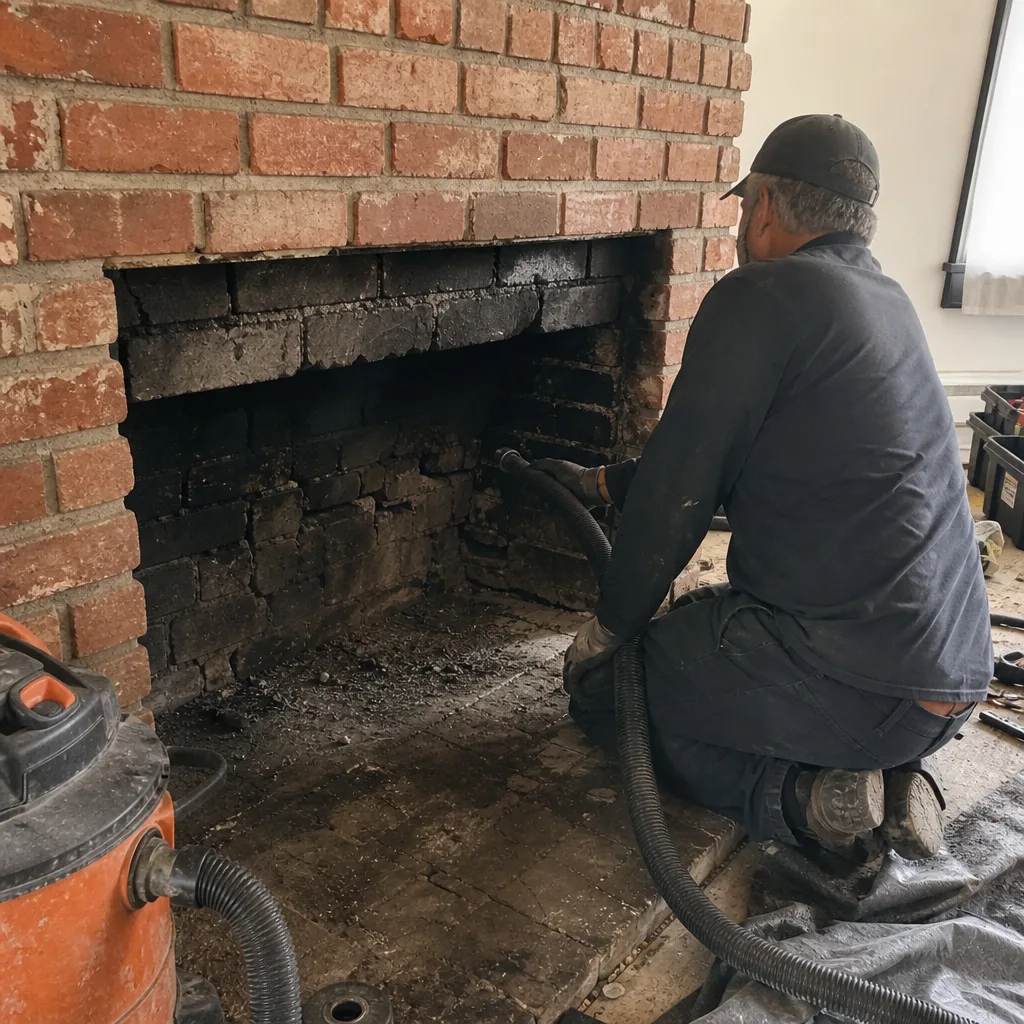 Before
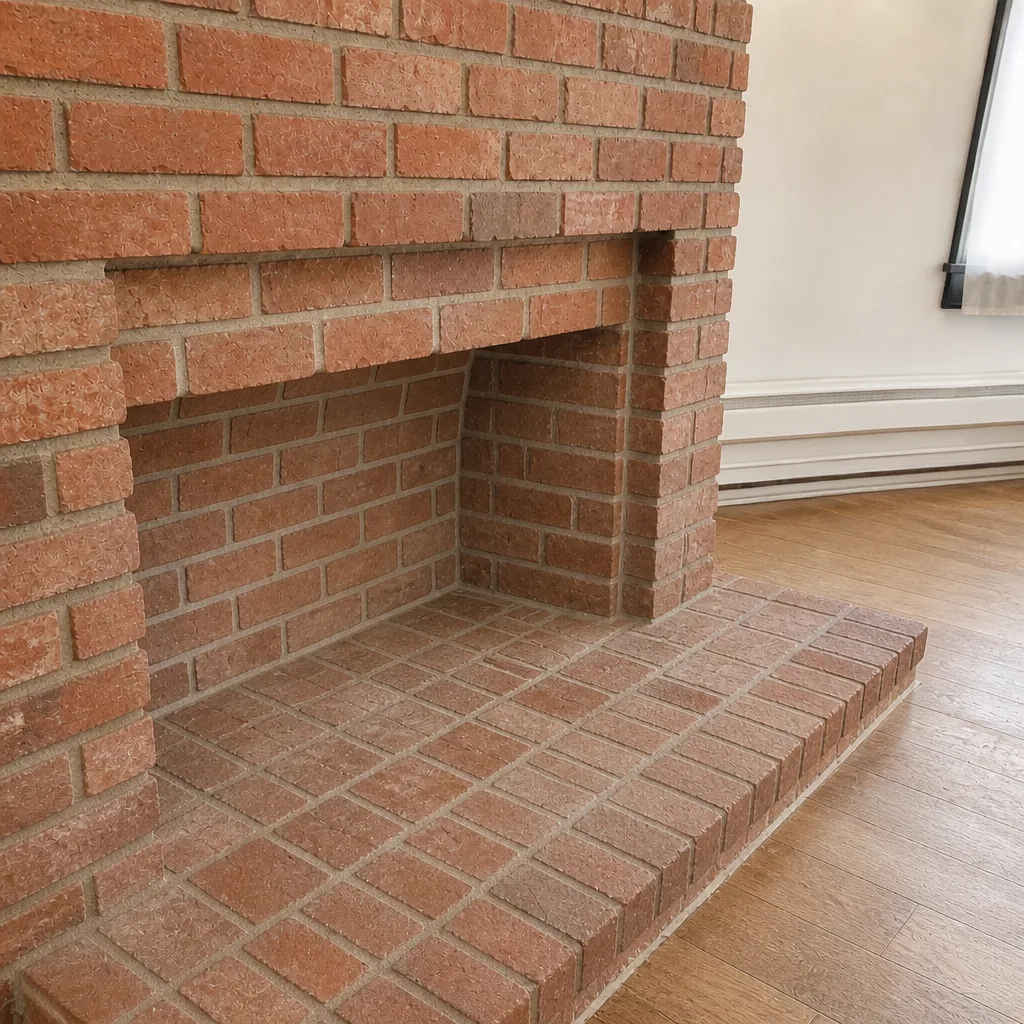 After
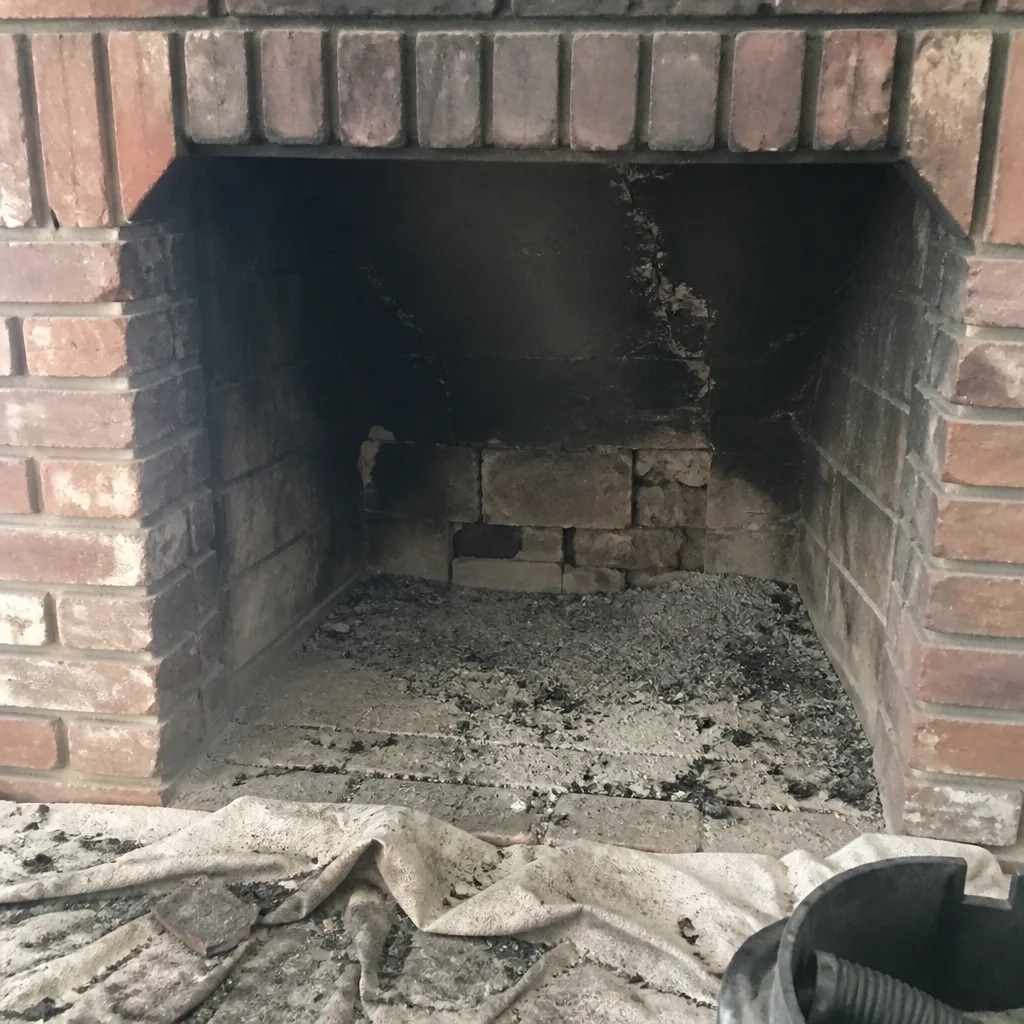 Before
 After
 Before
 After